
Tue Feb 03 20:51:06 UTC 2026: ### India-U.S. Trade Deal Sparks Controversy Amidst Relief and Resistance
The Story:
A newly announced trade deal between India and the United States has elicited mixed reactions, with exporters of agricultural products, fisheries, and seafood expressing relief, while farmers and trade unions voice strong concerns. The deal, finalized in February 2026, aims to lower tariffs and increase trade between the two nations. Seafood exporters, who faced significant losses due to high U.S. tariffs implemented in August 2025, are optimistic about regaining previous export levels. However, farm organizations fear the influx of subsidized U.S. agricultural products will devastate the Indian peasantry, while trade unions warn of the deal’s potential damage to Indian industries and workers.
Key Points:
- The trade deal was announced in February 2026, providing relief to Indian exporters of agricultural products, fisheries, and seafood.
- Seafood exports dropped significantly between April and November 2025 due to U.S. tariffs reaching 50%.
- The Seafood Exporters Association of India (SEAI) expects exports to rebound with the lowered tariff of 18%.
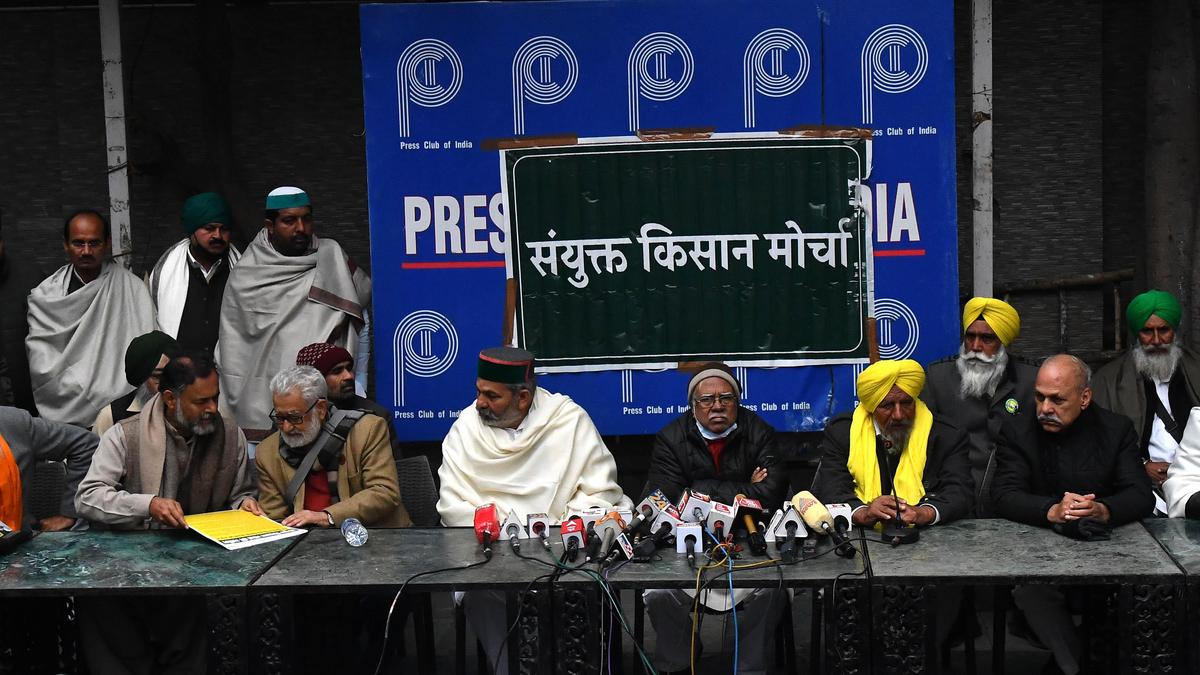
- The Samyukt Kisan Morcha (SKM) views the deal as a “betrayal” and a surrender to U.S. pressure.
- The SKM highlighted Prime Minister Narendra Modi‘s previous commitment to protecting farmers’ interests.
- Farmers fear being overwhelmed by highly subsidized U.S. agricultural products.
- Trade unions, including the Centre of Indian Trade Unions (CITU), condemn the deal as detrimental to Indian workers, peasants, and economic sovereignty.
- The All India Kisan Sabha demanded that the full text of the India-U.S. trade deal, as well as other free trade agreements, be presented before Parliament.
- A general strike is planned by the SKM and trade unions on February 12.
Key Takeaways:
- The India-U.S. trade deal highlights the complex and often conflicting interests within India, particularly between export-oriented industries and the agricultural sector.
- The deal reveals underlying tensions related to economic sovereignty and the impact of globalization on domestic industries and farmers in India.
- The strong opposition from farmers and trade unions suggests potential for social and political unrest, as indicated by the planned general strike.
 First Piper