
Wed Feb 04 16:26:39 UTC 2026: ### West Bengal Chief Minister Confronts Supreme Court Over Electoral Roll Revisions
The Story:
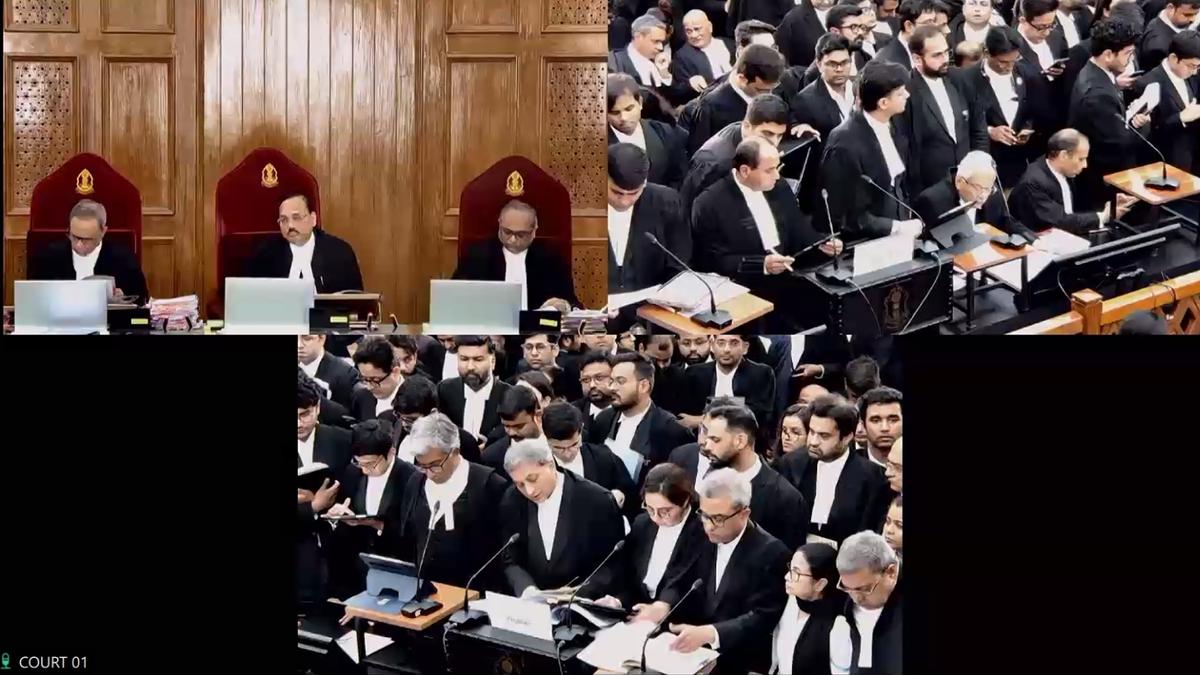
West Bengal Chief Minister Mamata Banerjee personally addressed the Supreme Court on February 4, 2026, to challenge the Election Commission of India’s (ECI) Special Intensive Revision (SIR) of electoral rolls in her state. Banerjee argued that the SIR is leading to the wrongful exclusion of approximately 1.4 crore voters due to minor discrepancies and linguistic misunderstandings. She accused the ECI of targeting West Bengal and using informal communication channels like WhatsApp, undermining the integrity of the electoral process. The Chief Justice of India, Surya Kant, assured Banerjee that the ECI must ensure every genuine citizen is included in the electoral roll and scheduled the next hearing for February 9.
Key Points:
- Mamata Banerjee filed a writ petition in her individual capacity as a citizen, claiming her letters to the ECI as Chief Minister went unanswered.
- She alleged that approximately 1.4 crore voters in West Bengal were excluded from the electoral roll due to “logical discrepancies,” including minor name variations and women not changing surnames after marriage.
- Banerjee questioned the timing of the SIR, suggesting it was strategically implemented near election time and targeted only West Bengal, leading to over 100 deaths of related officials.
- The ECI defended its actions, claiming a lack of cooperation from the West Bengal government in providing qualified officers for the ERO positions, forcing them to use Anganwadi workers.
- Banerjee criticized the ECI’s use of WhatsApp for critical communications and the appointment of ‘micro-observers’ as a ‘supreme authority’ over Electoral Registration Officers.
Key Takeaways:
- The Chief Minister’s direct appeal to the Supreme Court highlights the severity and urgency of the concerns surrounding the electoral roll revisions in West Bengal.
- The conflict between the West Bengal government and the ECI suggests a breakdown in trust and cooperation, potentially politicizing the electoral process.
- Concerns about the exclusion of a large number of voters due to minor discrepancies raise questions about the fairness and inclusivity of the SIR.
- The use of informal communication channels by the ECI raises serious questions about transparency and the legitimacy of the process.
Impact Analysis:
The Supreme Court’s intervention underscores the importance of ensuring fair and accurate electoral rolls. This case could set a precedent for future electoral roll revisions and the role of the ECI in ensuring democratic participation. The court’s ruling will likely influence voter confidence and could potentially reshape the political landscape of West Bengal. Furthermore, it will draw attention to the necessity for the ECI to be transparent, fair, and judicious in implementing electoral processes to avoid jeopardizing democratic participation.
 First Piper