
Wed Feb 04 17:03:33 UTC 2026: # Bengaluru Integrates Mental Health Helpline with Emergency Response System
The Story
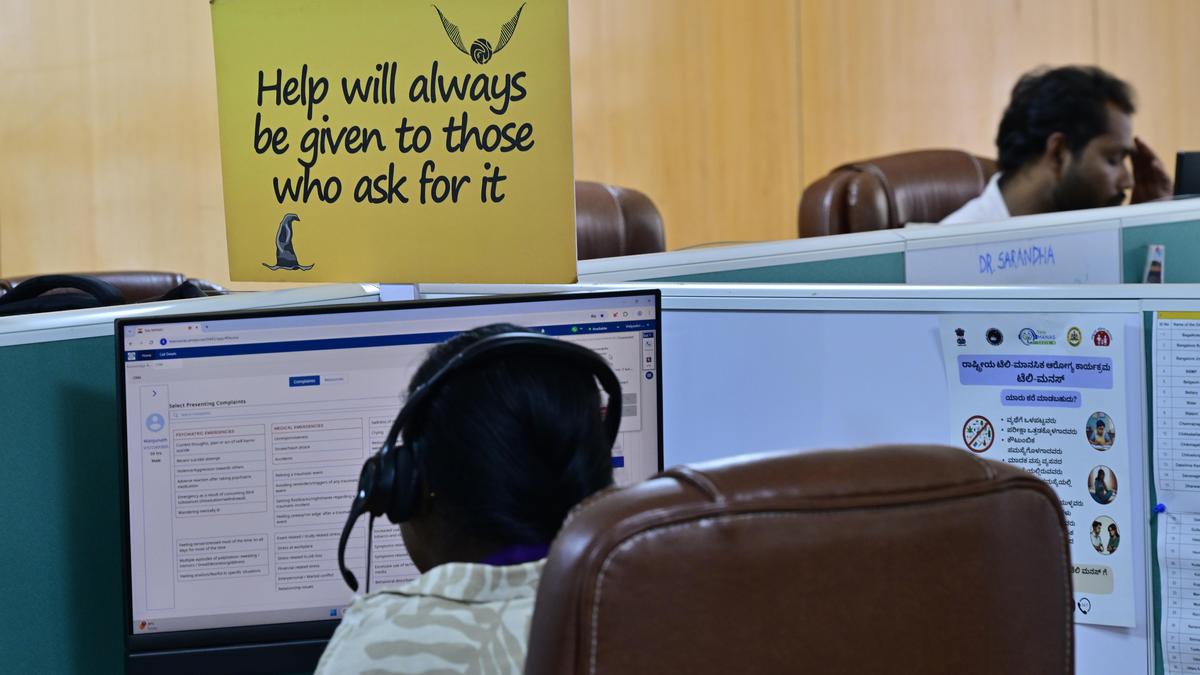
On February 4, 2026, Bengaluru integrated Tele Manas, the Central government’s 24×7 mental health helpline, with the city’s emergency response system, Namma 112. This integration aims to provide faster and more appropriate responses to mental health emergencies. Calls involving mental health distress received by Namma 112 will be directly routed to TeleManas counselors. Conversely, Tele Manas can escalate cases of psychiatric emergencies, like imminent suicide risk, to Namma 112 for on-ground support, including ambulance or police assistance. The initiative is a collaboration between the Emergency Response Support System (ERSS – Namma 112) and the National Institute of Mental Health and Neuro Sciences (NIMHANS).
Key Points
- Tele Manas is a Central government’s 24/7 mental health helpline.
- Namma 112 is Bengaluru’s emergency response system.
- The integration allows direct routing of mental health distress calls to trained counselors.
- Tele Manas can escalate psychiatric emergencies to Namma 112 for immediate assistance.
- The collaboration involves ERSS and NIMHANS.
- Tele Manas services are accessible via toll-free helpline (14416), website, email, and a mobile application.
Key Takeaways
- The integration of mental health services with emergency response systems signifies a growing recognition of mental health as a critical component of public health and safety.
- This initiative aims to reduce delays in addressing mental health emergencies, leading to more humane and professional crisis management.
- The collaboration between government agencies and mental health institutions like NIMHANS is crucial for effective implementation and broader outreach.
- Easy accessibility of Tele Manas through various channels (helpline, website, app) enhances its utility for individuals in distress.
Impact Analysis
The integration of Tele Manas with Namma 112 has several potential long-term impacts:
- Improved Crisis Management: By connecting individuals in mental health crises directly with trained professionals, the system aims to reduce the likelihood of criminalization or mismanaged interventions.
- Enhanced Public Safety: Quicker and more appropriate responses to mental health emergencies can prevent potential harm to individuals and the public.
- Reduced Burden on Emergency Services: By diverting mental health-related calls to specialized counselors, the initiative may alleviate the strain on traditional emergency services like police and ambulances.
- Increased Awareness: The integration could also raise public awareness about mental health resources and promote help-seeking behavior.
- Model for Other Cities: If successful, this initiative could serve as a model for other cities in India to integrate mental health support into their emergency response systems.
 First Piper