
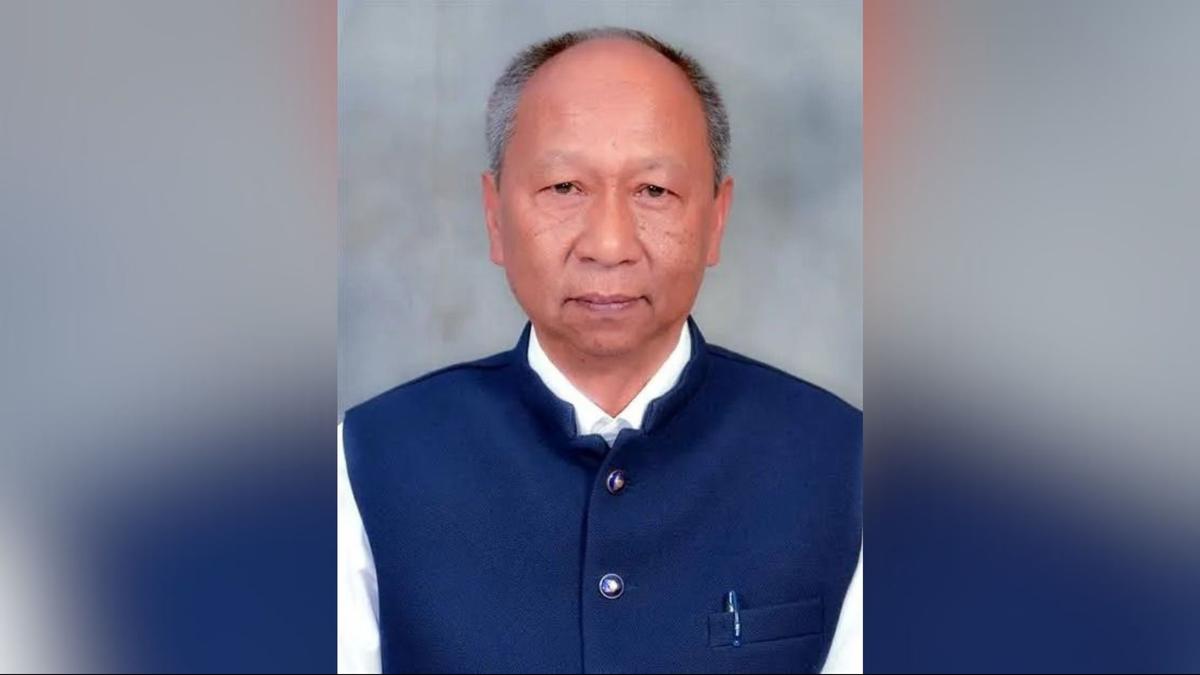
Tue Feb 03 15:11:16 UTC 2026: ### Manipur Gets New BJP Leader, Paving Way to End President’s Rule
The Story:
Yumnam Khemchand Singh, 62, was elected as the BJP leader of the Legislature Party in Manipur on Tuesday, February 3, 2026, potentially ending President’s Rule imposed on February 13, 2025. The move signals an effort to restore an elected government in the ethnic-strife hit northeastern state. Nemcha Kipgen, a Kuki-Zo MLA, is likely to be appointed as Deputy Chief Minister, a historic first for her community and for women in that position. The decision follows security review meetings and high-level discussions within the BJP leadership, aimed at finding a solution that includes Meitei, Kuki-Zo, and Naga legislators.
Key Points:
- Yumnam Khemchand Singh elected BJP Legislature Party Leader in Manipur on February 3, 2026.
- Nemcha Kipgen (Kuki-Zo MLA) likely to become Deputy Chief Minister.
- Manipur under President’s Rule since February 13, 2025, set to expire in February 2027.
- The move aims to restore an elected government and address ethnic tensions between Meitei and Kuki-Zo communities, which started on May 3, 2023, causing over 250 deaths and displacing 60,000 people.
- Not all Kuki-Zo MLAs are on board, with some demanding a political solution (Union Territory with legislative assembly) before joining the government.
- The BJP has 37 MLAs in the 60-member Manipur Assembly, including 7 Kuki-Zo legislators.
Key Takeaways:
- The BJP is prioritizing the restoration of an elected government in Manipur before the expiry of President’s rule.
- The appointment of Yumnam Khemchand Singh seems to be a compromise acceptable to various factions, including Kuki-Zo MLAs and the RSS.
- Deep divisions persist within the Manipur Assembly, particularly regarding the demands for a separate administration for the Kuki-Zo community.
- The BJP faces a significant challenge in reconciling differing political aspirations to bring lasting stability to the region.
- The inclusion of Nemcha Kipgen as Deputy Chief Minister is a symbolic step towards inclusivity, but substantive issues still need addressing.
Impact Analysis:
- Short-Term: The formation of a new government could ease immediate political instability and allow for state-led initiatives to address the needs of displaced communities.
- Long-Term: The success of the new government will depend on its ability to address the root causes of the ethnic conflict, including land rights, political representation, and economic opportunities. Failure to address these issues could lead to renewed violence and further destabilization of the region. The resolution of Kuki-Zo demands for a separate administration will be crucial. The political stability of Manipur has national security implications for India’s northeast.
 First Piper