
Tue Feb 03 11:49:54 UTC 2026: # Baloch Separatist Attacks in Balochistan Trigger Tensions Between Pakistan and India
The Story
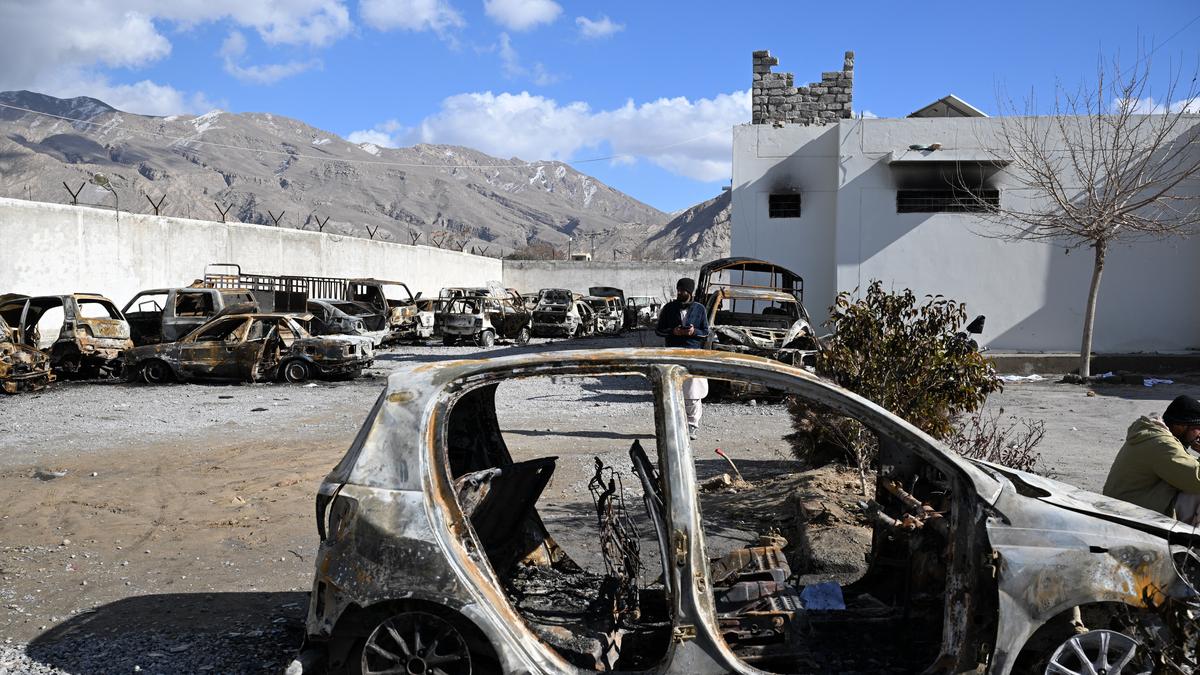
On January 30-31, 2026, the Balochistan Liberation Army (BLA) launched coordinated attacks across at least nine districts of Balochistan, Pakistan, targeting police stations, military outposts, and a high-security prison in Quetta. BLA leader Bashir Zeb Baloch claimed responsibility, stating it was the second phase of the ‘Herof’ operation and called for Balochis to join the “national liberation war.” The BLA claimed to have killed 84 security personnel and kidnapped 18.
In response, Pakistani authorities launched military operations, claiming to have killed at least 145 militants. Pakistan’s Interior Minister Mohsin Naqvi accused India of supporting the attacks, a claim India vehemently denied on February 1, 2026, calling it a tactic to deflect from Pakistan’s internal issues.
Key Points
- The BLA conducted coordinated attacks on Pakistani security targets across Balochistan on January 30-31, 2026.
- BLA leader Bashir Zeb Baloch claimed responsibility for the attacks, calling it “Herof”.
- Pakistan’s Interior Minister accused India of supporting the BLA attacks.
- India rejected Pakistan’s allegations, citing Pakistan’s internal issues.
- Balochistan has experienced increasing violence since the Taliban takeover of Kabul in August 2021.
- Balochistan is a strategically important region for Pakistan, rich in resources and crucial for the China-Pakistan Economic Corridor (CPEC).
- Baloch separatists have been active since the early 2000s, with increasing coordination since 2018.
Key Takeaways
- The Balochistan insurgency continues to pose a significant security challenge for Pakistan.
- The attacks highlight the volatile security situation in Balochistan, exacerbated by regional instability following the Taliban takeover in Afghanistan.
- Pakistan’s accusations against India risk further escalating tensions between the two countries.
- The conflict threatens the viability of long-term investments, including the China-Pakistan Economic Corridor.
- The deep-seated grievances of the Baloch population, fueled by historical, political, and economic factors, contribute to the ongoing insurgency.
 First Piper