
Mon Feb 02 20:09:22 UTC 2026: ### High Court Hears Arguments in 2023 Parliament Security Breach Bail Plea
The Story:
The Delhi High Court heard arguments on February 3, 2026, regarding the bail plea of Sagar Sharma, Manoranjan D., and Lalit Jha, accused in the December 13, 2023, Parliament security breach case. The Delhi Police strongly opposed the bail, arguing that the accused posed a threat to national security by carrying inflammable materials into Parliament and attempting to terrorize parliamentarians. The police emphasized the “open threat” against Prime Minister Narendra Modi contained in pamphlets carried by the accused, claiming they intended to “usurp power.” The defense argued that while their method of protest was inappropriate, they were not terrorists and caused no casualties.
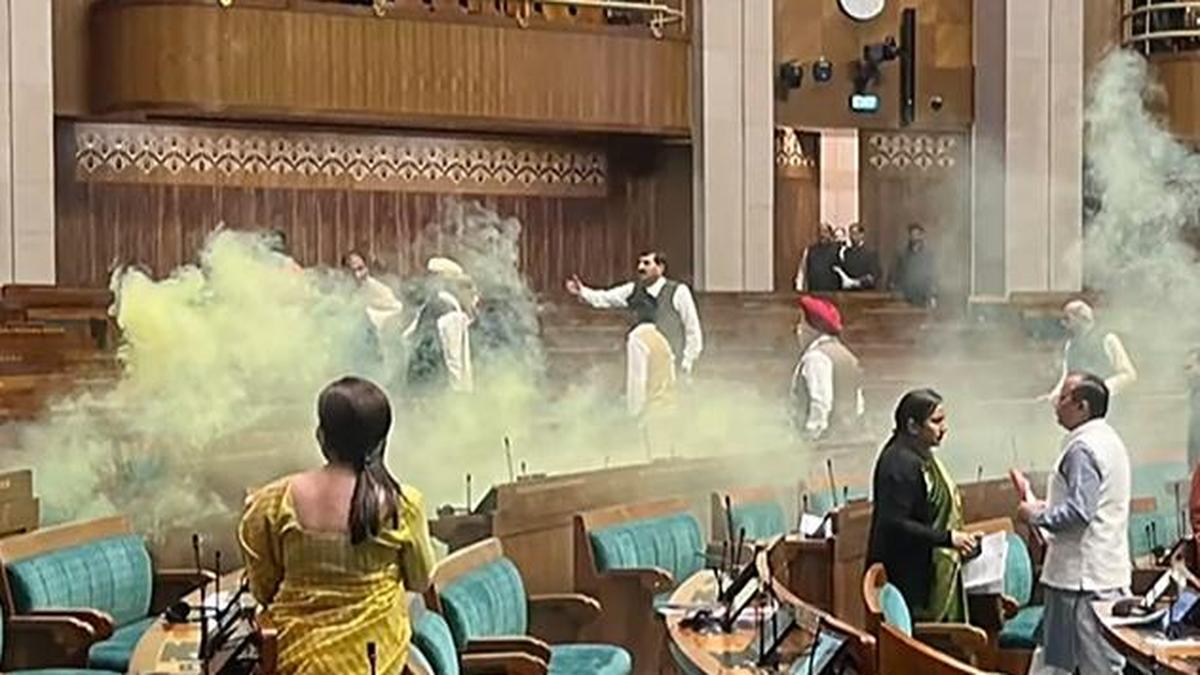
The incident involved Sharma and Manoranjan disrupting parliamentary proceedings during Zero Hour by jumping into the Lok Sabha chamber from the visitors’ gallery and releasing yellow smoke. Following the incident, Neelam Azad, Shinde, Lalit Jha, and Mahesh Kumawat were also arrested. The police invoked the Unlawful Activities (Prevention) Act (UAPA) and registered an FIR, alleging a “well-planned conspiracy.” Neelam Azad and Mahesh Kumawat were previously granted bail in July 2025.
Key Points:
- The Delhi Police opposed the bail plea of Sagar Sharma, Manoranjan D., and Lalit Jha in the 2023 Parliament security breach case.
- Police argued that the accused carried inflammable material and pamphlets containing threats against Prime Minister Narendra Modi.
- The accused are charged under the Unlawful Activities (Prevention) Act (UAPA).
- The incident occurred on December 13, 2023, when the accused disrupted parliamentary proceedings by releasing yellow smoke.
- Neelam Azad and Mahesh Kumawat, also accused, were granted bail in July 2025.
Key Takeaways:
- The state considers the Parliament security breach a serious threat to national security, justifying the invocation of stringent anti-terror laws.
- The High Court’s decision on the bail plea will likely set a precedent for how such security breaches are treated under the law.
- The case highlights ongoing concerns about security protocols within the Indian Parliament.
Impact Analysis:
The outcome of this bail hearing and the subsequent trial will have a significant impact on how India addresses future security breaches and protests within its Parliament. A successful prosecution could deter similar actions, while a lenient approach might encourage further disruptive demonstrations. The application of the UAPA reflects the government’s intent to treat such incidents as acts of terrorism, potentially impacting civil liberties and freedom of expression. The long-term effects will depend on the judiciary’s interpretation of the UAPA in this context and its balancing of national security concerns with individual rights.
 First Piper