
Tue Feb 03 04:59:03 UTC 2026: Headline: Parliamentary Uproar as Opposition Challenges Government on China Conflict
The Story:
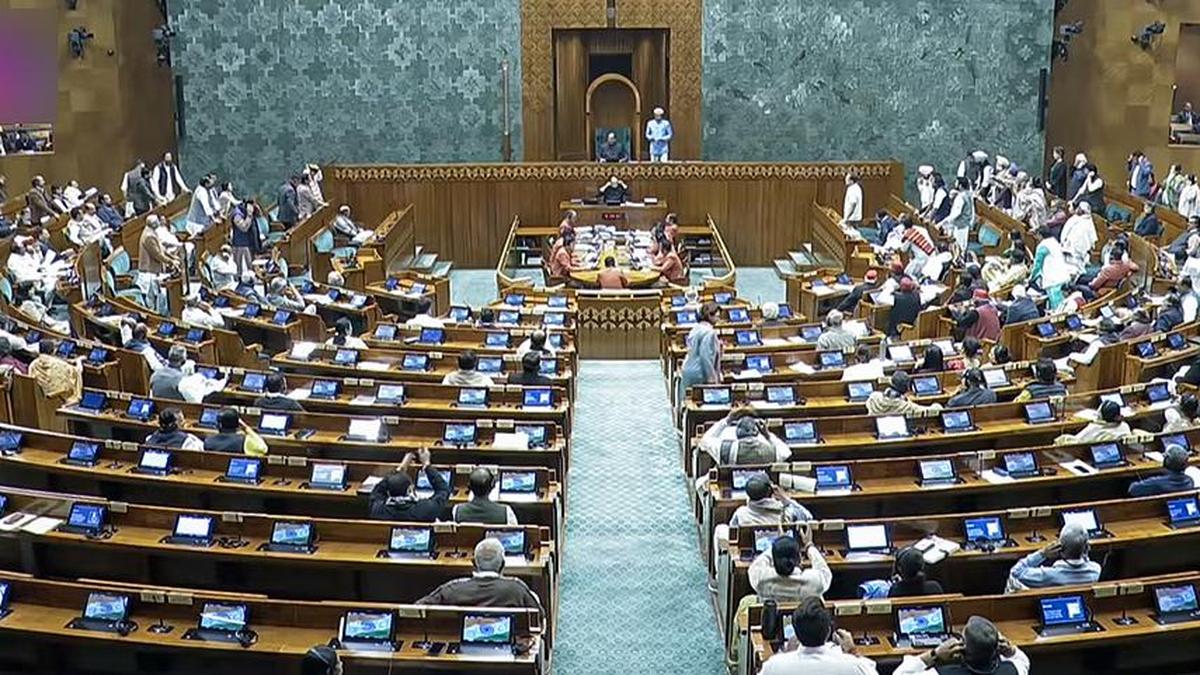
The Indian Parliament witnessed heated exchanges on February 2, 2026, as Leader of Opposition Rahul Gandhi attempted to quote from the unpublished memoir of former Army chief M.M. Naravane regarding the 2020 India-China conflict. Gandhi aimed to use the memoir to criticize Prime Minister Narendra Modi and Defence Minister Rajnath Singh. This move triggered a strong backlash from BJP leaders, who accused Gandhi of misleading the House and undermining the armed forces. The Lok Sabha proceedings were disrupted, leading to multiple adjournments. Meanwhile, in the Rajya Sabha, opposition members voiced concerns over rising economic disparities and accused the government of fomenting communal division.
Key Points:
- Rahul Gandhi attempted to quote from former Army chief M.M. Naravane’s unpublished memoir on the 2020 India-China conflict.
- BJP leaders strongly opposed Gandhi’s actions, accusing him of misleading the House and belittling the armed forces.
- The Lok Sabha was adjourned twice due to the uproar.
- Opposition parties in the Rajya Sabha criticized the government’s handling of economic disparities and alleged promotion of communal division.
- The session continues on February 3, 2026 with a motion of thanks on the President’s address.
Critical Analysis:
The event is happening during the Budget Session 2026, which is always a period of heightened political scrutiny. There’s additional context of a Parliament security breach, a focus on the defence budget, and India-US Trade deal. The opposition is strategically using the sensitive topic of the 2020 India-China conflict, leveraging a potentially controversial memoir to challenge the government’s narrative, perhaps due to a need to rebound from the Parliament security breach. The government, in turn, is defending its position, likely aiming to maintain its image of strength and national security management.
Key Takeaways:
- The opposition is aggressively challenging the government’s narrative on national security issues.
- The government is responding defensively, attempting to maintain control of the narrative.
- The use of unpublished materials adds a layer of complexity and controversy to the debate.
- The timing of the event during the Budget Session amplifies its political impact.
- Economic disparities and communal division concerns remain a point of contention in the Rajya Sabha.
Impact Analysis:
This event series could have long-term implications for the relationship between the government and the opposition, especially considering a security breach is related as well. The contentious debate over the India-China conflict and the government’s response could influence public perception and shape future policy discussions on national security. Further, the accusations of communal division and economic disparity could affect the government’s mandate of “Sabka Saath Sabka Vikas,” impacting future elections and social stability. The admissibility and use of unpublished memoirs in parliamentary debates may also lead to revised guidelines and precedents, potentially affecting future discourse and accountability measures. The future of the India-US Trade deal may be in danger as well.
 First Piper