
Mon Feb 02 23:11:23 UTC 2026: # NASA’s Moon Rocket Test Hampered by Hydrogen Leak, Launch Date in Question
The Story:
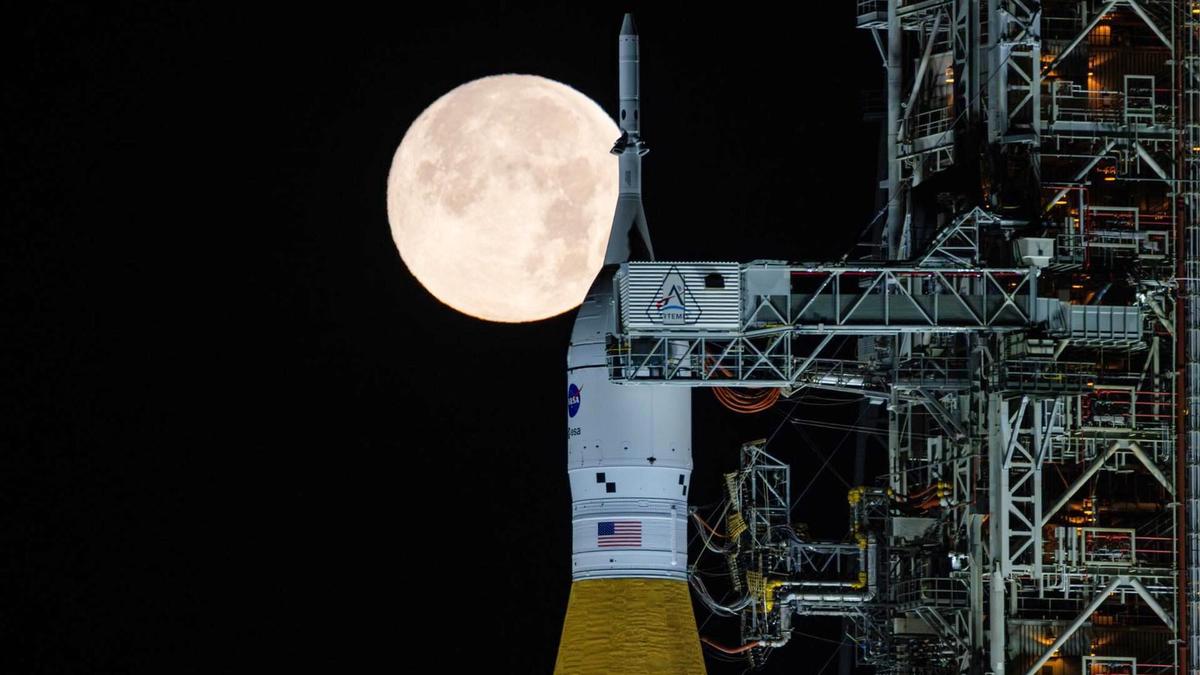
NASA’s final make-or-break test of its Space Launch System (SLS) moon rocket faced a setback on Monday, February 2, 2026, when a hydrogen leak was detected during fueling at Kennedy Space Centre. The launch team was loading the 98-meter rocket with super-cold hydrogen and oxygen, aiming to pump over 2.6 million litres into the tanks. The issue arose just hours into the operation, halting hydrogen loading when the core stage was only half-filled. This test is crucial to determine the launch date for the Artemis mission, which will send a crew of four on a lunar fly-around.
Key Points:
- A hydrogen leak occurred during fueling of the SLS rocket on February 2, 2026, halting operations.
- The launch team is using techniques from the problematic 2022 test flight to address the leak.
- The crew, including three Americans and one Canadian, is quarantined in Houston, awaiting the test’s outcome.
- The mission aims to send astronauts on a lunar fly-around, testing life support and vital systems without a landing.
- NASA is targeting a launch as early as Sunday, February 8, 2026, but the rocket must fly by February 11, 2026, or the mission will be postponed to March.
Critical Analysis:
The recurrence of hydrogen leak issues with the SLS rocket underscores the ongoing challenges in developing and maintaining complex space systems. The fact that techniques from the 2022 test flight are being reused suggests a lack of comprehensive solutions to these persistent problems.
Key Takeaways:
- SLS rocket development continues to face technical hurdles, potentially delaying the Artemis program.
- Hydrogen leaks remain a significant concern for NASA’s space missions.
- The launch window for the Artemis mission is narrow, with limited opportunities in February.
- The outcome of the fuelling demo is critical for determining the immediate future of the mission.
- The mission’s success is crucial for setting the stage for future moon landings.
 First Piper