
Mon Feb 02 22:58:00 UTC 2026: ### Headline: Justice Department Retracts Epstein Files After Victim Information Leak
The Story:
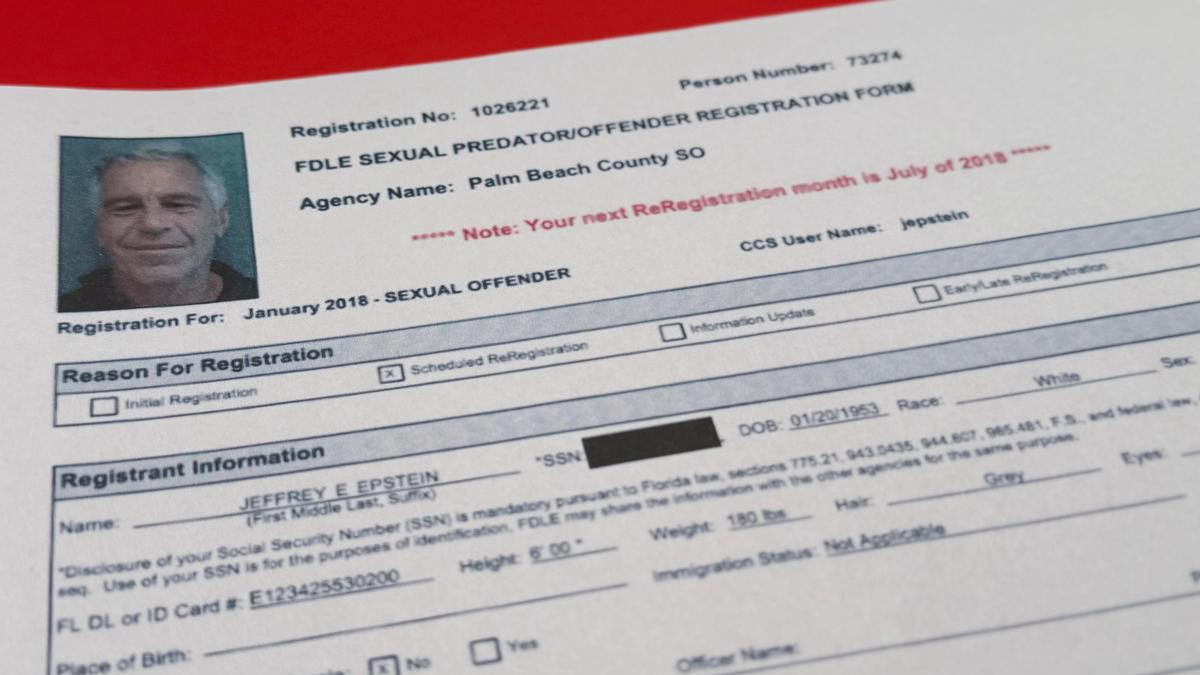
The U.S. Department of Justice (DOJ) has taken down several thousand documents related to the Jeffrey Epstein case after inadvertently releasing materials containing victim-identifying information. The retraction, which occurred on Monday, February 2, 2026, followed an outcry from victims and their lawyers. U.S. Attorney Jay Clayton stated that the errors were due to “technical or human error” and that the department is revising its protocols for reviewing and redacting documents. The DOJ has committed to quickly pulling down and redacting documents flagged by victims and lawyers, aiming to repost corrected versions within 24 to 36 hours.
The errors in redaction also impacted a separate sex trafficking trial in New York, leading to a mistrial request from defense lawyers in the case of Tal, Oren, and Alon Alexander. While the judge tentatively rejected the mistrial request, the incident underscored the severity of the redaction failures.
Key Points:
- The DOJ removed thousands of Epstein-related documents due to the release of victim-identifying information.
- U.S. Attorney Jay Clayton attributed the errors to “technical or human error.”
- Revised protocols for document review and redaction are being implemented.
- A section of the DOJ’s Epstein files website containing public court records was temporarily non-functional.
- Errors in redaction led to a mistrial request in a separate sex trafficking trial.
Critical Analysis:
While the immediate cause is attributed to “technical or human error,” the repeated failures in redacting sensitive information point to systemic issues within the DOJ’s processes. Given the high-profile nature of the Epstein case and the intense scrutiny it attracts, the lack of adequate safeguards is concerning. It also raises questions about the quality control measures in place for protecting victim privacy.
Key Takeaways:
- The release of unredacted Epstein files highlights the challenges of managing and disseminating large volumes of sensitive information.
- Technical and human errors can have significant legal ramifications, potentially impacting ongoing trials.
- Transparency efforts must be balanced with the need to protect victim privacy and ensure fair legal proceedings.
- Government agencies need robust protocols and quality control mechanisms for redacting sensitive data in public releases.
- The incident underscores the importance of continuous improvement and adaptation in data management practices within the DOJ.
Impact Analysis:
The immediate impact involves legal challenges, such as the mistrial request, and reputational damage to the DOJ. Longer-term, the incident could lead to stricter regulations and oversight regarding the handling of sensitive information in legal proceedings. It also has the potential to erode public trust in the DOJ’s ability to protect victim privacy while pursuing justice. Further, this event will likely prompt other government agencies to review their own redaction and data release protocols.
 First Piper