
Mon Feb 02 18:11:25 UTC 2026: # Iran and U.S. to Hold Nuclear Talks Following Trump’s Threat of Military Action
The Story
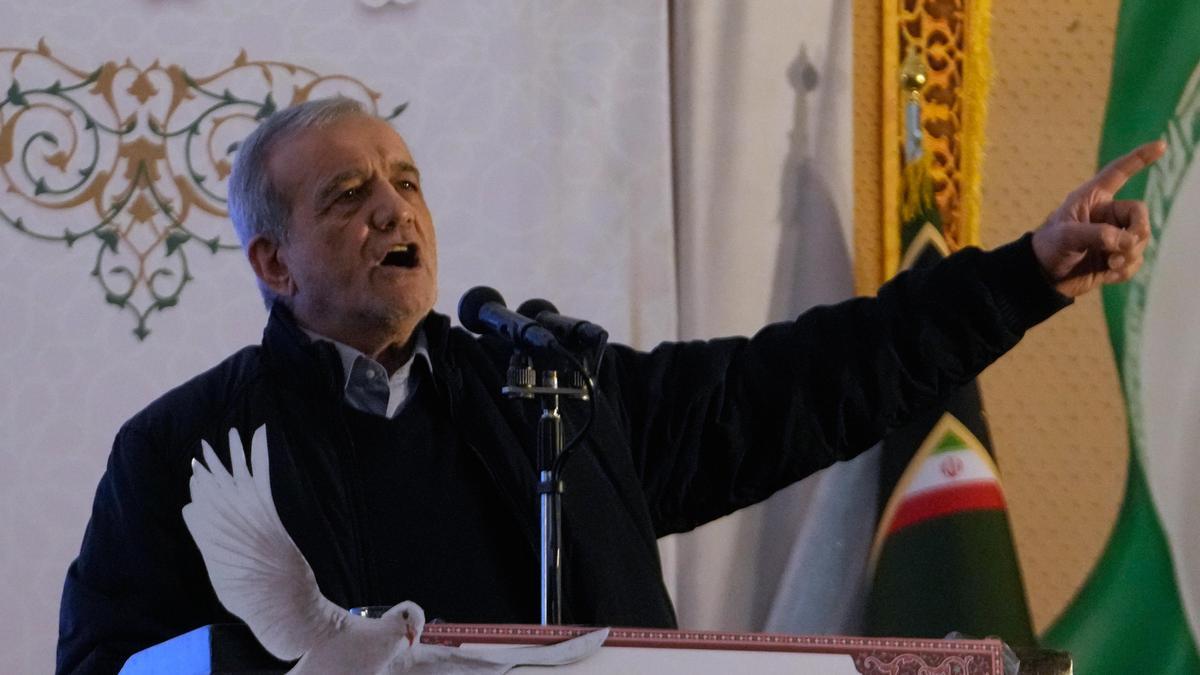
Iranian President Masoud Pezeshkian has ordered the commencement of nuclear talks with the United States, according to local media reports on Monday, February 2, 2026. This decision follows U.S. President Donald Trump’s statement expressing hope for a deal to prevent military intervention against Iran. The move comes in the wake of deadly crackdowns by Iranian authorities on anti-government protests in the previous month, which prompted Trump to threaten military action and deploy an aircraft carrier group to West Asia.
The Fars news agency reported that the talks would focus on Iran’s nuclear program. Iran had previously announced that it was developing a framework for these negotiations, expected to be finalized in the coming days.
Key Points
- Iranian President Masoud Pezeshkian has ordered the start of nuclear talks with the United States.
- The announcement was made on Monday, February 2, 2026.
- The decision follows threats of military action by U.S. President Donald Trump in response to the Iranian authorities’ crackdown on anti-government protests.
- The Fars news agency reported the upcoming talks without specifying a date.
- Iran stated it is developing a framework for negotiations.
Critical Analysis
The timing of these nuclear talks suggests a direct correlation between Trump’s threat of military action and Iran’s willingness to negotiate. This strategy of coercive diplomacy appears to have been effective in bringing Iran back to the negotiating table. It also showcases Pezeshkian’s willingness to de-escalate the conflict and potentially find a diplomatic solution, despite the heightened tensions caused by the recent protests and the subsequent government response.
Key Takeaways
- Trump’s threat of military action appears to have been a catalyst for renewed nuclear talks.
- Pezeshkian’s decision to engage in talks suggests a desire to avoid military conflict.
- The timing of the talks indicates a direct response to escalating tensions.
- The success of these talks remains uncertain, pending the establishment of a negotiation framework.
Impact Analysis
The resumption of nuclear talks between the U.S. and Iran carries significant long-term implications for regional stability and global security. A successful negotiation could de-escalate tensions in West Asia, potentially leading to a more stable geopolitical environment. Conversely, a failure to reach an agreement could further exacerbate tensions, increasing the risk of military conflict and potentially triggering a wider regional crisis. The outcome of these talks will likely shape the future of nuclear proliferation efforts and the broader security landscape of the Middle East for years to come.
 First Piper