
Sun Feb 01 13:56:09 UTC 2026: ### Uganda’s Gorilla Conservation Success Story Intertwined with Political History: A Profile of Dr. Gladys Kalema-Zikusoka
The Story:
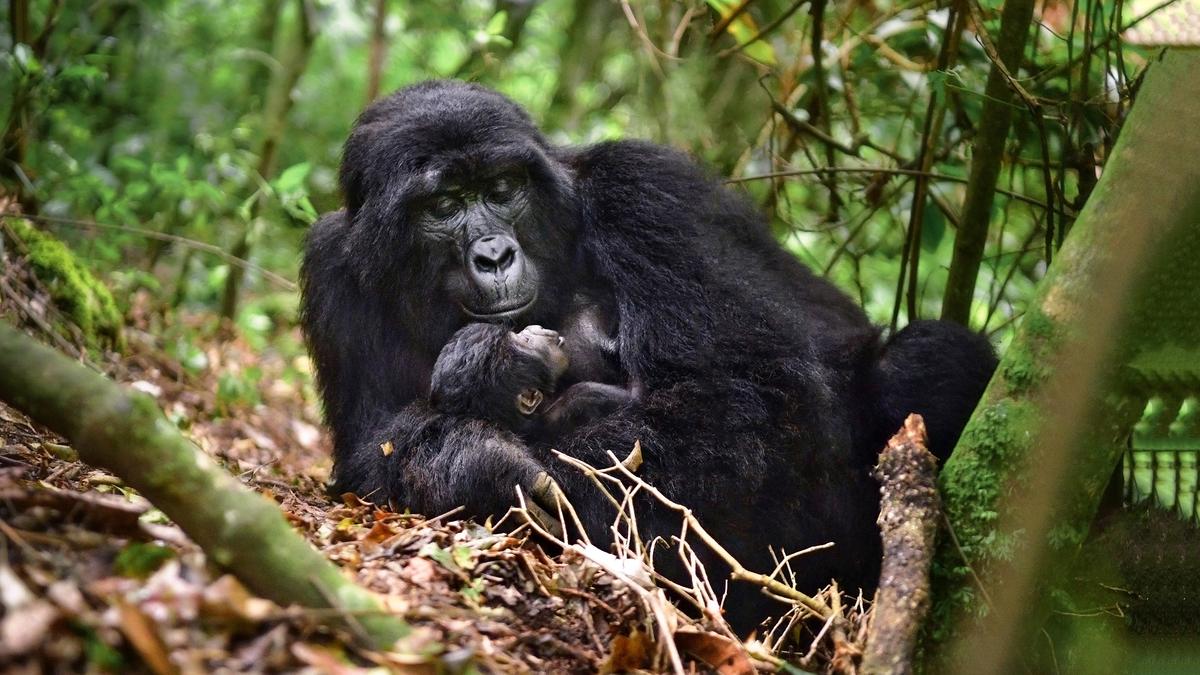
An article published in February 3, 2026, highlights the intertwined history of Uganda’s mountain gorilla conservation efforts and its turbulent political past. It focuses on Dr. Gladys Kalema-Zikusoka, Uganda’s first wildlife veterinarian and a leading conservationist, whose work has been pivotal in protecting the endangered mountain gorilla population. The article details how poaching and habitat loss, exacerbated by political instability from Uganda’s independence in 1962 through the regimes of Milton Obote, Idi Amin, and Yoweri Museveni, pushed the gorilla population to the brink. Dr. Kalema-Zikusoka’s “One Health” model, through her organization Conservation Through Public Health (CTPH), has significantly contributed to the gorillas’ survival by integrating community health, sanitation, and alternative livelihoods.
The article emphasizes the parallels between Uganda’s conservation challenges and those faced by India, highlighting the critical role of governance, public health, and community relations in wildlife preservation. It also addresses Dr. Kalema-Zikusoka’s personal experiences growing up during Idi Amin’s rule, the challenges she faced as a woman in a male-dominated field, and her commitment to mentoring women in conservation leadership across Africa.
Key Points:
- Mountain gorillas in Uganda were severely impacted by poaching and habitat loss due to political instability from 1962 onwards.
- Dr. Gladys Kalema-Zikusoka is Uganda’s first wildlife veterinarian and founder of Conservation Through Public Health (CTPH).
- CTPH’s “One Health” model addresses the intersection of human and animal health to protect gorillas.
- Gorilla tourism has played a vital role in Uganda’s economic recovery and conservation efforts.
- Dr. Kalema-Zikusoka emphasizes the importance of community engagement and addressing the gender gap in conservation leadership.
Key Takeaways:
- Wildlife conservation is inextricably linked to political stability, governance, and community well-being, especially in post-colonial nations.
- Integrated conservation models, such as the “One Health” approach, are essential for addressing the complex challenges of protecting endangered species.
- Local champions like Dr. Kalema-Zikusoka are crucial for driving conservation efforts and fostering a sense of national identity connected to wildlife.
- Gorilla conservation success hinges on addressing the socio-economic factors impacting communities living near gorilla habitats.
- International recognition, like the Whitley and Rolex Awards and the UN Environment Programme’s Champion of the Earth Award, can help bolster and publicize conservation initiatives.
Impact Analysis:
The success of Uganda’s mountain gorilla conservation efforts, spearheaded by figures like Dr. Kalema-Zikusoka, demonstrates a model for other nations facing similar challenges. It underscores the importance of community-based conservation programs, sustainable tourism, and addressing the underlying social and economic factors that drive poaching and habitat loss. The long-term impact will be the continued stability and growth of the mountain gorilla population, contributing to Uganda’s biodiversity and sustainable development. Dr. Kalema-Zikusoka’s mentorship also ensures the continuation of these efforts by fostering a new generation of conservation leaders.
 First Piper