
Tue Feb 03 15:16:01 UTC 2026: Headline: Indian Government Releases First Data on Waste-Picker Enumeration Under NAMASTE Scheme
The Story:
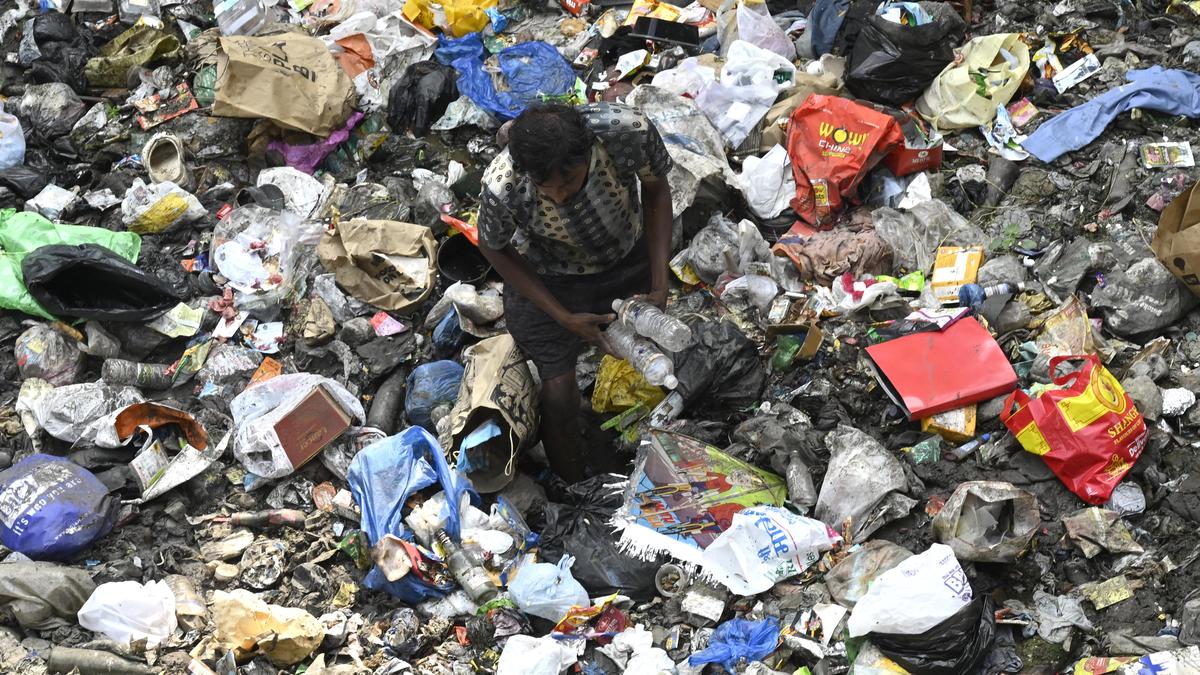
On February 3, 2026, the Ministry of Social Justice and Empowerment tabled data in Parliament revealing the initial findings of the waste-picker enumeration conducted under the NAMASTE scheme. The data shows that 1.52 lakh waste-pickers have been profiled and validated by urban local bodies across 35 States and Union Territories as of January 23, 2026. The data provides a breakdown by gender and social category, highlighting the significant representation of Scheduled Caste, Scheduled Tribe, and Other Backward Class communities within this informal workforce. The scheme aims to formally recognize these workers and provide them with protective equipment to improve their working conditions and safety.
The data also reveals regional disparities, with General category waste-pickers forming a majority in Delhi and Goa. This initial data release is intended to inform policy decisions and targeted interventions to improve the lives and livelihoods of waste-pickers across India.
Key Points:
- A total of 1.52 lakh waste-pickers have been profiled and validated under the NAMASTE scheme as of January 23, 2026.
- 48.7% are women (74,427), 51.3% are men (78,374), and 0.007% are transgender (12).
- 84.5% of waste-pickers nationally belong to Scheduled Caste, Scheduled Tribe, and Other Backward Class communities.
- In Delhi, 4,289 of more than 6,500 waste-pickers profiled were from the General category, and similarly in Goa, 729 of 1,286 were from the General Category.
- Since 2014, 859 people have died due to hazardous cleaning of sewers and septic tanks in India, with 43 deaths in 2025.
Key Takeaways:
- The NAMASTE scheme is making progress in enumerating and recognizing waste-pickers and sewer/septic tank workers across India.
- The data highlights the prevalence of marginalized communities in waste-picking, although regional variations exist.
- The data underscores the need for targeted interventions to protect the health and safety of waste-pickers and sewer/septic tank workers, given the high number of deaths associated with hazardous cleaning practices.
- The data release may lead to future policy changes as local governments gain more insight into their waste management.
 First Piper