
Sun Feb 01 12:30:28 UTC 2026: # Union Budget 2026 Balances Political Expectations with Global Realities
The Story:
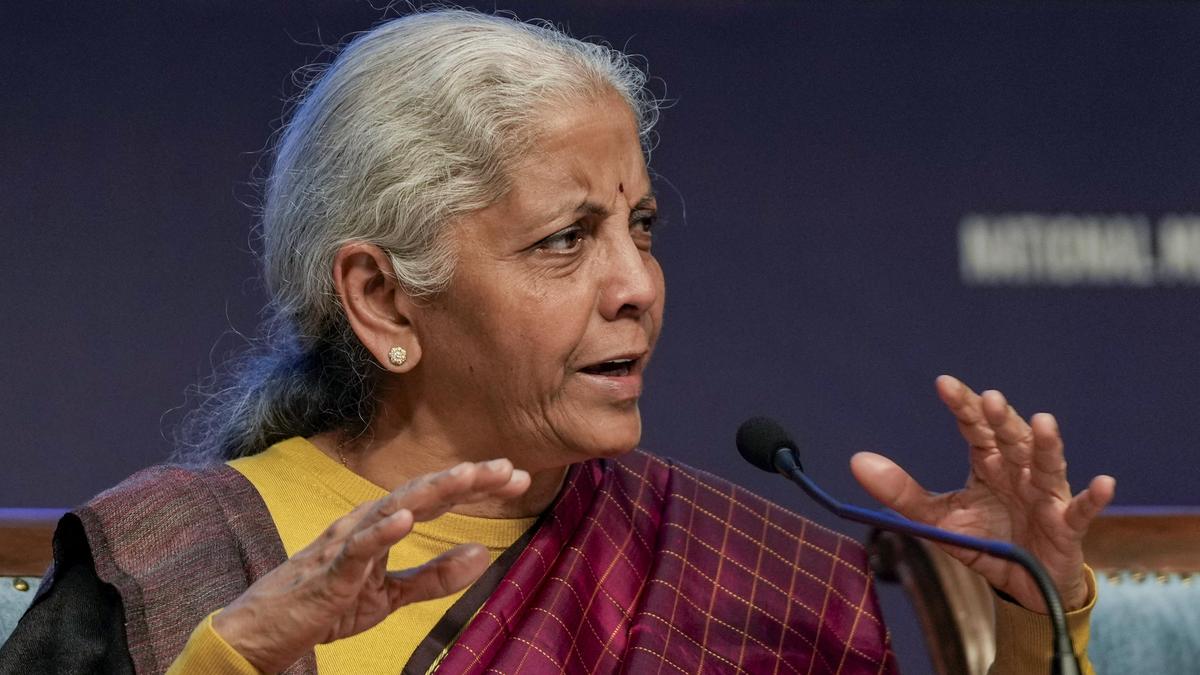
The Union Budget 2026-27, presented on February 1, 2026, by Finance Minister Nirmala Sitharaman, arrives at a critical juncture as several states—Tamil Nadu, Kerala, Assam, West Bengal, and Puducherry—prepare for Assembly elections. While these states received attention, the measures were integrated within broader multi-state initiatives. The government is aiming to reconcile domestic political expectations with the looming uncertainties of the global economy. Sitharaman addressed concerns that poll-bound states were deliberately avoided, asserting that adequate provisions were made for both election and non-election states. The budget prioritizes macro stability and long-term growth amid global uncertainty.
Key Points:
- Election-Bound States: Measures announced included projects affecting Tamil Nadu, Kerala, Assam, and West Bengal, but packaged within multi-state initiatives.
- Multi-State Initiatives: Examples include a high-speed rail corridor for West Bengal, a Rare Earth Corridor involving Tamil Nadu and Kerala, and a Buddhist tourism circuit including Assam.
- Economic Priorities: Focus on strengthening supply chains, boosting manufacturing, and preparing for Free Trade Agreements. Semiconductor Mission 2.0 receives a ₹40,000-crore push.
- Global Headwinds: Government acknowledges the importance of insulating India from global trade disruptions.
- Long-Term Vision: The budget aims to create a new narrative of long-term development and legacy building, extending beyond immediate electoral gains.
- Defence Budget Boost: Defence receives record ₹7.85 lakh crore boost.
Critical Analysis:
The government seems to be adopting a strategic approach that prioritizes long-term economic resilience over short-term electoral gains. The allocation of resources across multiple states suggests an effort to mitigate criticism of targeted spending in poll-bound regions, while simultaneously addressing broader economic objectives. The emphasis on manufacturing and supply chain strengthening reflects a proactive response to potential global trade disruptions, potentially stemming from ongoing geopolitical tensions or trade wars. The significant boost to the defence budget indicates a heightened focus on national security, perhaps in response to recent events like “Operation Sindoor,” implying heightened geopolitical tensions that could be impacting the broader economic strategy.
Key Takeaways:
- The Union Budget 2026-27 attempts to balance domestic political considerations with global economic realities.
- There is a clear emphasis on long-term economic growth and resilience, rather than short-term electoral gains.
- The government is actively seeking to insulate India from global trade disruptions.
- The budget reflects a shift towards a more strategic and forward-looking approach to economic planning.
- Increased Defence Spending Shows Geopolitical Awareness.
Impact Analysis:
The long-term impact of the Union Budget 2026-27 is potentially significant. The focus on manufacturing, supply chains, and skill development could strengthen India’s economic competitiveness in the global market. The success of these initiatives, however, depends on effective implementation and sustained government support. The multi-state initiatives could foster greater regional cooperation and development. However, the lack of immediate electoral salability of many measures could present a challenge for the ruling party in the upcoming elections, potentially altering the political landscape. The increased defence spending could have significant long-term implications on security.
 First Piper