
Sun Feb 01 09:54:57 UTC 2026: # Opposition Decries Modi Government’s 2026-27 Union Budget as Lacking Vision and Solutions
The Story:
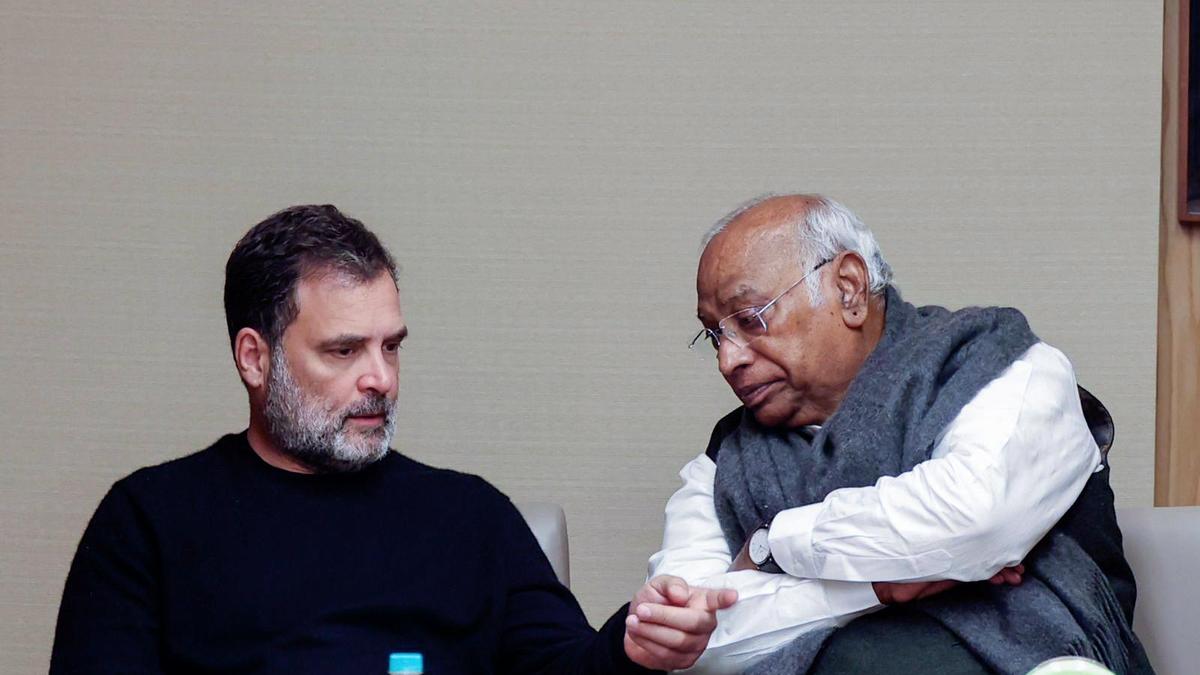
On February 1, 2026, opposition leaders from the Indian National Congress, including party president Mallikarjun Kharge and Rahul Gandhi, sharply criticized the Modi government’s Union Budget for 2026-27. Kharge, in a post on X, stated that the budget lacks a policy vision and fails to address India’s economic, social, and political challenges. Gandhi echoed these sentiments, calling the budget “blind to India’s real crises,” pointing to issues such as youth unemployment, declining manufacturing, and farmer distress. The budget, presented by Union Finance Minister Sitharaman, proposes increased capital expenditure and infrastructure development.
Key Points:
- Mallikarjun Kharge criticized the 2026-27 Union Budget for lacking policy vision and failing to address economic, social, and political challenges.
- Rahul Gandhi stated that the budget is “blind to India’s real crises,” citing youth unemployment, falling manufacturing, and farmer distress.
- Finance Minister Sitharaman announced a target for capex to be raised to ₹12.2 lakh crore for FY27 from ₹11.2 lakh crore earmarked for the current fiscal year.
- The budget includes measures to boost infrastructure, especially in tier-2 and tier-3 cities.
- The opposition also expressed concerns about the financial stress of State Governments and the lack of support for SC, ST, OBC, EWS, and Minority communities.
Critical Analysis:
The opposition’s immediate and critical response indicates a deep-seated political divide concerning the government’s economic policies. The focus on farmer distress and inequality suggests that the opposition intends to highlight disparities and social welfare issues in their political strategy. The criticism over lack of support to state governments also indicates an effort to rally regional parties against the central government.
Key Takeaways:
- The 2026-27 Union Budget has become a major point of contention between the ruling government and the opposition.
- The opposition is focusing on economic inequality, farmer distress, and unemployment as key issues.
- Infrastructure development and increased capital expenditure are central to the government’s budget strategy.
- The opposition’s critique of the budget seems to highlight a perceived disconnect between the government’s economic policies and the everyday realities faced by many Indians.
Impact Analysis:
The immediate impact of this event is increased political polarization and intensified scrutiny of the government’s economic performance. Long-term, the opposition’s narrative could influence public opinion and potentially affect the government’s electoral prospects. The debates sparked by the budget are likely to shape policy discussions and influence the direction of economic reforms in the coming years. The focus on state finances may also lead to greater demands for fiscal decentralization and a re-evaluation of the relationship between the central and state governments.
 First Piper