
Sun Feb 01 04:16:27 UTC 2026: ### Headline: Mega-Infrastructure Project Threatens Great Nicobar Island’s Ecosystem and Indigenous Communities
The Story
The Indian government’s ambitious ₹72,000-crore ‘Holistic Development of Great Nicobar Island’ project, spearheaded by NITI Aayog, aims to transform the remote island into a major transshipment and defense hub. The project, covering approximately 18% of the island, includes an international container transshipment terminal, a greenfield airport, and a new township projected to increase the island’s population from 8,000 to over 3.5 lakh in 30 years. While framed as a strategic move to enhance India’s geopolitical standing and economic self-sufficiency, the project is facing intense scrutiny due to its potential environmental devastation and impact on indigenous communities, the Shompen and Nicobarese tribes.
Concerns are mounting over the speed of the project’s approval, potential inaccuracies in the Environmental Impact Assessment (EIA) report, and the inadequacy of proposed compensatory measures for deforestation and coral relocation. Critics highlight the risk of displacing the Shompen, a Particularly Vulnerable Tribal Group, and preventing the Nicobarese from returning to their ancestral lands.
Key Points
- Project Scope: A ₹72,000-crore mega-infrastructure project on Great Nicobar Island, including a transshipment terminal, airport, and township.
- Strategic Justification: Intended to bolster India’s geopolitical presence in the Indian Ocean and reduce reliance on foreign ports for transshipment.
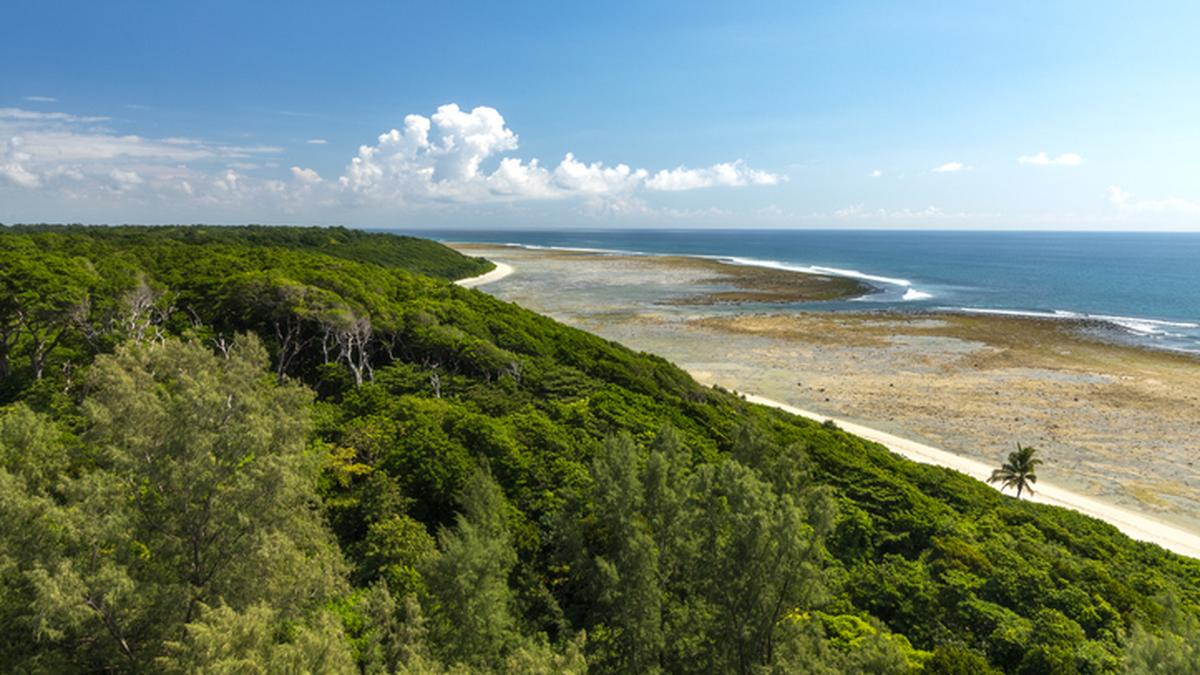
- Environmental Concerns: The project involves significant deforestation (9.64 lakh trees), threatens the nesting site of giant leatherback turtles, and impacts over 20,000 coral colonies.
- Impact on Indigenous Communities: The project could displace the Shompen tribe and prevent the Nicobarese from returning to their ancestral lands.
- Controversy: The project has faced criticism for its rapid approval process, alleged inaccuracies in the EIA report, and inadequate compensatory measures.
Key Takeaways
- The Indian government’s strategic push for development in the Andaman and Nicobar Islands is raising significant environmental and social concerns.
- Balancing national interests with the protection of vulnerable ecosystems and indigenous rights remains a critical challenge.
- Transparency and thorough due diligence are essential for ensuring sustainable and equitable development.
- The project highlights the tension between economic growth and the preservation of biodiversity and cultural heritage.
- The future of the Great Nicobar Island project hinges on addressing the concerns of environmentalists, indigenous communities, and international observers.
Impact Analysis
The Great Nicobar Island project has far-reaching implications that extend beyond the immediate geographical location.
- Geopolitical Ramifications: The establishment of a strong military and commercial presence in the region is expected to alter the balance of power in the Indian Ocean, particularly concerning China’s maritime activities.
- Environmental Legacy: The long-term environmental impact of the project could be devastating, potentially leading to irreversible damage to the island’s unique biodiversity and fragile ecosystems.
- Social Justice: The displacement of indigenous communities and the potential erosion of their cultural identity raise significant ethical and human rights concerns.
- Economic Development Model: The project serves as a test case for India’s approach to development in ecologically sensitive areas, with potential implications for similar projects in the future.
- International Scrutiny: The project is likely to attract continued international scrutiny, particularly regarding its environmental sustainability and social responsibility.
 First Piper