
Sun Feb 01 06:52:27 UTC 2026: ### Union Budget 2026: India’s Economic Journey Reflected in Shifting Priorities
The Story:
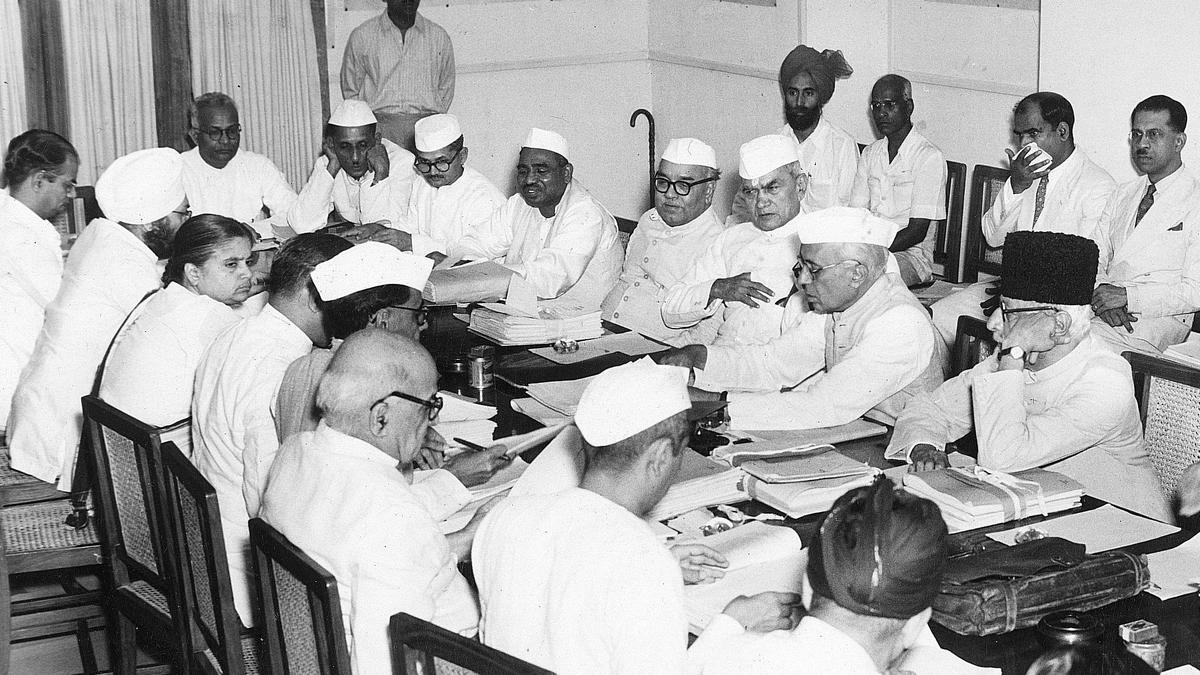
An e-paper published by The Hindu on February 1, 2026, provides a retrospective timeline of India’s Union Budget, framing it as a biography of the nation’s economic transformation. From the initial post-partition focus on refugee rehabilitation under R.K. Shanmukham Chetty to the modern emphasis on technology and digitization under Nirmala Sitharaman, the article traces the evolution of economic priorities through various Finance Ministers and pivotal moments in Indian history. The analysis highlights key budget focuses such as agriculture, infrastructure, social welfare, and national security, demonstrating how each era addressed specific challenges and opportunities.
Key Points:
- R.K. Shanmukham Chetty: Post-partition focus on consolidating the nation and rehabilitating refugees (1947).
- C.D. Deshmukh: Emphasized the “Grow More Food” campaign, increasing wheat imports from the U.S. (1950s).
- Morarji Desai: Increased defense spending following Chinese aggression (1960s).
- Indira Gandhi: Shifted towards reducing income disparities (1970s).
- Charan Singh: Prioritized agriculture and rural development to eradicate poverty and unemployment (1970s).
- Manmohan Singh: Introduced macroeconomic stabilization and structural reforms to integrate India with the global economy during a fiscal crisis (1990s).
- Yashwant Sinha: Recognized the potential of IT firms and promoted innovation (Late 1990s).
- P. Chidambaram: Launched “Bharat Nirman” for rural infrastructure development and agricultural debt waiver schemes (2000s).
- Arun Jaitley: Focused on “Smart Cities,” “Skill India,” and doubling farmer income by 2022 (Mid 2010s).
- Nirmala Sitharaman: Addressed the pandemic with a focus on health and well-being, green growth, and empowering the poor, women, youth, and farmers (2020s).
Key Takeaways:
- The Union Budget reflects India’s changing socio-economic landscape and its evolving priorities over time.
- Each Finance Minister has addressed specific challenges and opportunities relevant to their era, shaping the nation’s economic trajectory.
- The budget has progressively shifted from a focus on basic needs (food, rehabilitation) to more complex goals like digitization, skill development, and global integration.
- Recent budgets emphasize technology-driven growth, sustainability, and empowering marginalized communities.
- The article highlights the ongoing importance of agriculture, even as the economy diversifies.
Impact Analysis:
This historical overview of the Union Budget provides context for understanding current economic policies and their potential impact. The consistent focus on certain sectors (agriculture, infrastructure) reveals their enduring importance to India’s development. The shift towards technology and innovation suggests a long-term strategy for enhancing global competitiveness and addressing future challenges. By examining past successes and failures, policymakers can make more informed decisions to promote sustainable and inclusive growth.
 First Piper