
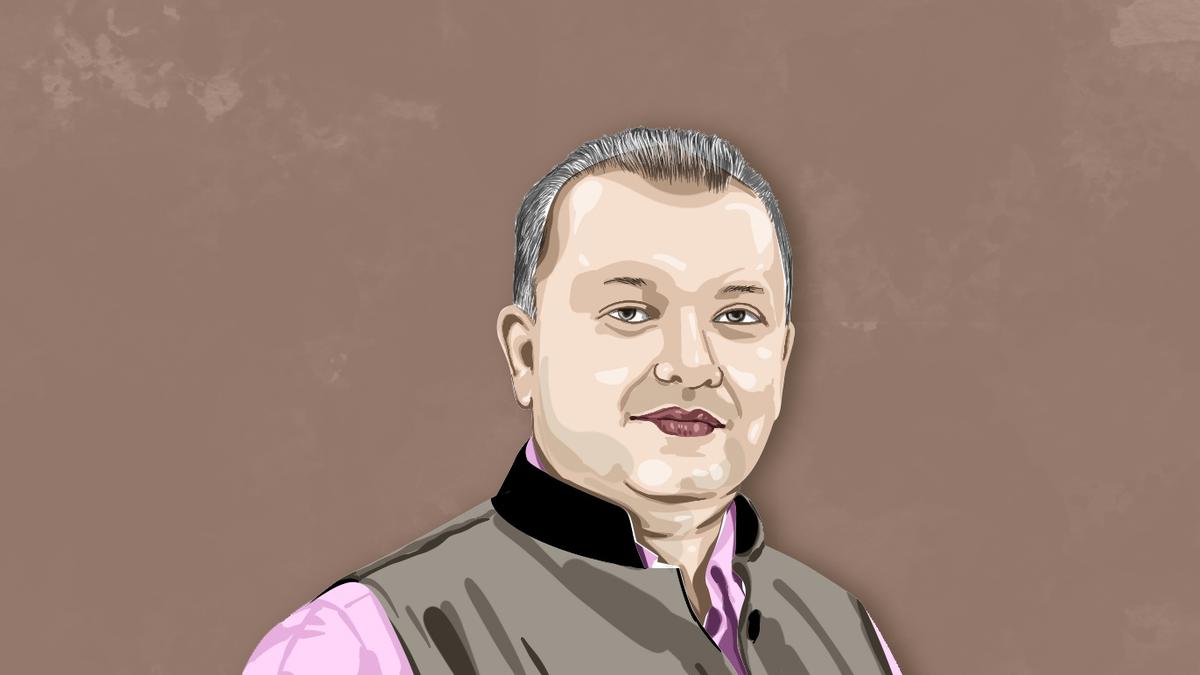
Sat Jan 31 18:36:20 UTC 2026: Headline: Gagan Thapa Leads Nepali Congress into Elections After Internal Mutiny
The Story: In mid-January 2026, Nepal’s Nepali Congress party experienced significant internal upheaval as young leaders, spearheaded by Gagan Thapa, challenged the established leadership. This culminated in a special convention that saw Thapa, 49, elected as party president. He now leads the party into the upcoming elections, promising reform and a shift in governance. Thapa’s rise is seen as the result of years of dissent and a response to the September 2025 Gen Z protests demanding generational change.
Key Points:
- Gagan Thapa elected as president of the Nepali Congress after a special convention.
- Thapa led a revolt against the party’s old guard, citing the need for generational change.
- His rise follows the September 2025 Gen Z protests against corruption and for younger leadership.
- He will contest the upcoming elections from Sarlahi-4, as the party’s prime ministerial candidate.
- Analysts note his past shifting alliances and question his ability to deliver substance over rhetoric.
- Thapa publicly opposed party president Sher Bahadur Deuba’s coalition with CPN-UML leader K.P. Sharma Oli in July 2024, but later supported the government.
- The election on March 5, 2026 is seen as a test for traditional parties amidst rising public discontent and new political forces.
- The Rastriya Swatantra Party named Balendra Shah as their prime ministerial face.
Critical Analysis:
The rise of Gagan Thapa can be seen as a direct consequence of the growing pressure for generational change within Nepali politics. The September 2025 Gen Z protests acted as a catalyst, highlighting the disconnect between the established parties and the demands of the younger generation. Thapa’s success in leveraging this sentiment to orchestrate an internal mutiny and seize the party leadership demonstrates an acute understanding of the prevailing political climate. However, his past record of shifting alliances and perceived inconsistency in his dissent raises concerns about his long-term vision and ability to deliver meaningful change. The party’s decision to name him prime ministerial candidate, in the face of a popular rival from a newer party, indicates a strategic move to capture the youth vote and modernize the Nepali Congress’ image.
Key Takeaways:
- Generational change is becoming a significant factor in Nepali politics.
- Internal party dynamics can be reshaped by popular movements and public sentiment.
- Newer political forces are gaining traction by appealing to younger voters.
- Thapa’s leadership faces immediate challenges in uniting the party and winning the upcoming elections.
- His success will depend on his ability to overcome criticisms of inconsistency and deliver tangible results.
Impact Analysis:
The election of Gagan Thapa as the leader of the Nepali Congress and his subsequent candidacy for Prime Minister could significantly alter the political landscape of Nepal. If successful, his leadership could usher in a period of reform and address the grievances of the younger generation. However, his past actions and the rise of new political forces create considerable uncertainty. Regardless of the outcome, this series of events signals a fundamental shift in Nepal’s political dynamics, where traditional parties are increasingly being challenged by demands for change and the emergence of new players. The long-term impact will depend on Thapa’s ability to navigate these challenges and deliver on his promises of reform and good governance. The results of the March 5, 2026, elections will provide a crucial indicator of the direction Nepal’s politics will take in the coming years.
 First Piper