
Sun Feb 01 11:05:36 UTC 2026: # Union Budget 2026 Focuses on Infrastructure, Tourism, and Regional Development
The Story:
The Union Budget 2026, presented by Finance Minister Nirmala Sitharaman, highlights a strong emphasis on infrastructure development, tourism promotion, and targeted regional initiatives across India. The budget explicitly names 14 states but implicitly involves 24 states and Union Territories through specific city and location-based projects. Key areas of focus include the development of Rare Earth Corridors, High-Speed Rail Networks, National Waterways, sustainable mountain trails, bird-watching and turtle trails, and Buddhist Circuits.
Key Points:
- Rare Earth Corridors: Odisha, Kerala, Andhra Pradesh, and Tamil Nadu will host dedicated Rare Earth Corridors.
- East Coast Industrial Corridor: Durgapur, West Bengal is designated as an integrated node.
- WHO Global Traditional Medicine Centre: Modernisation efforts are planned for the center in Jamnagar, Gujarat.
- National Institute of Design: A new institute will be established in the Eastern Region.
- High-Speed Rail Networks: Seven corridors will connect major hubs including Mumbai-Pune, Pune-Hyderabad, Hyderabad-Bengaluru, Chennai, Delhi-Varanasi, and Varanasi-Siliguri.
- National Waterways: Operationalization of 20 National Waterways will begin with NW-5 in Odisha.
- Ship Repair Ecosystem: A specialized ecosystem for inland vessels will be created at Varanasi (Uttar Pradesh) and Patna (Bihar).
- Mountain Trails: Sustainable mountain trails are planned for Himachal Pradesh, Uttarakhand, and Jammu & Kashmir.
- Bird-Watching Trails: New trails will be developed at Pulikat Lake (Andhra Pradesh/Tamil Nadu) and mountain trails in Araku Valley and Podhigai Malai (Andhra Pradesh/Tamil Nadu).
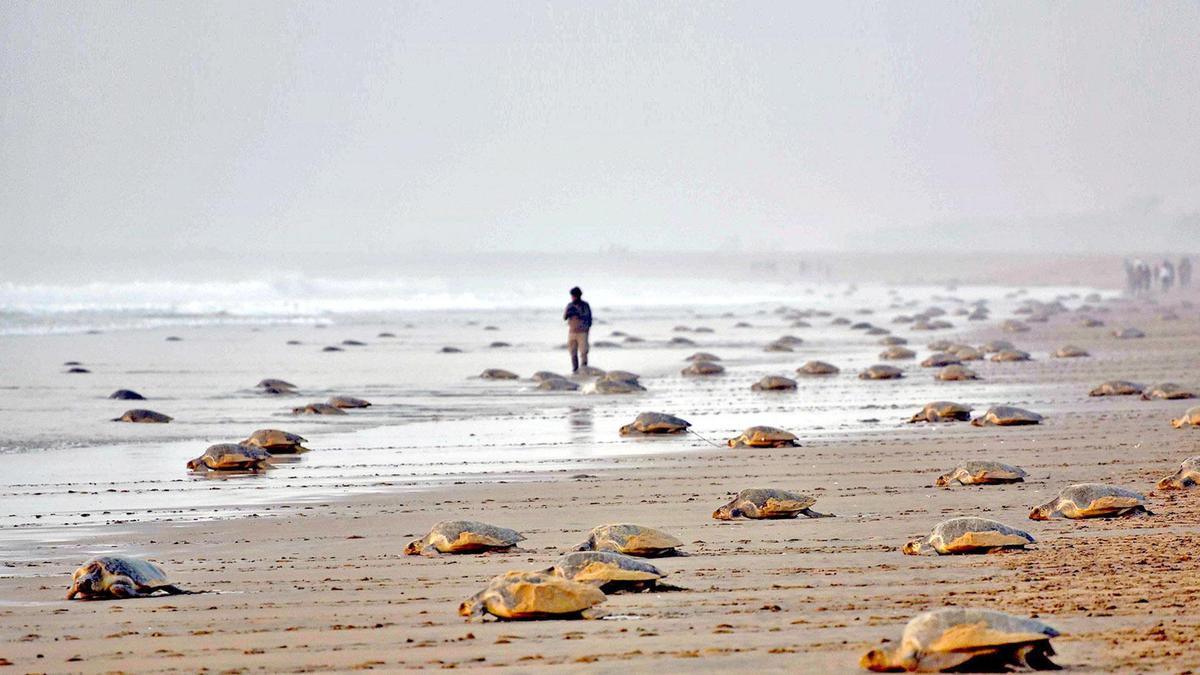
- Turtle Trails: Odisha, Karnataka, and Kerala will develop Turtle Trails.
- Buddhist Circuits: A major scheme will be launched in Arunachal Pradesh, Sikkim, Assam, Manipur, Mizoram, and Tripura.
- Purvodaya States: Five new tourism destinations and deployment of 4,000 e-buses are planned for the eastern belt.
- Defence Budget: Pegged at ₹7.85 lakh crore, a 15% increase over current fiscal.
- Law Ministry’s e-Courts project: Receives ₹1,200 crore.
Critical Analysis:
The related historical context indicates potential political friction, exemplified by the statement from Tamil Nadu claiming their interests were ignored. This highlights the perennial challenge in national budgeting of balancing national priorities with regional demands and sensitivities. The focus on infrastructure and tourism projects in specific regions suggests an attempt to stimulate economic growth and employment in those areas, potentially addressing regional disparities. The significant increase in the defence budget indicates a continued emphasis on national security concerns.
Key Takeaways:
- The Union Budget 2026 reflects a strategic focus on infrastructure development as a key driver of economic growth.
- Tourism is positioned as a major sector for job creation and regional development, with targeted initiatives across diverse regions.
- The budget includes a mix of national projects and state-specific initiatives, potentially leading to political debates over equitable distribution of resources.
- The budget signals a commitment to environmental conservation through initiatives like Turtle Trails and sustainable mountain trails.
- Increased defence spending underscores ongoing national security priorities.
Impact Analysis:
The initiatives outlined in the Union Budget 2026 have the potential for significant long-term impacts:
- Economic Growth: Infrastructure development and tourism promotion are expected to stimulate economic activity and create employment opportunities in targeted regions.
- Regional Development: Focused initiatives in the Eastern Region and Purvodaya States aim to reduce regional disparities and promote inclusive growth.
- Environmental Sustainability: Initiatives like Turtle Trails and sustainable mountain trails contribute to biodiversity conservation and sustainable tourism.
- International Relations: The modernization of the WHO Global Traditional Medicine Centre in Jamnagar positions India as a leader in traditional medicine research and development.
- National Security: Increased defense spending reflects a continued commitment to strengthening national security capabilities. These investments could shape India’s geopolitical role in the coming years.
 First Piper