
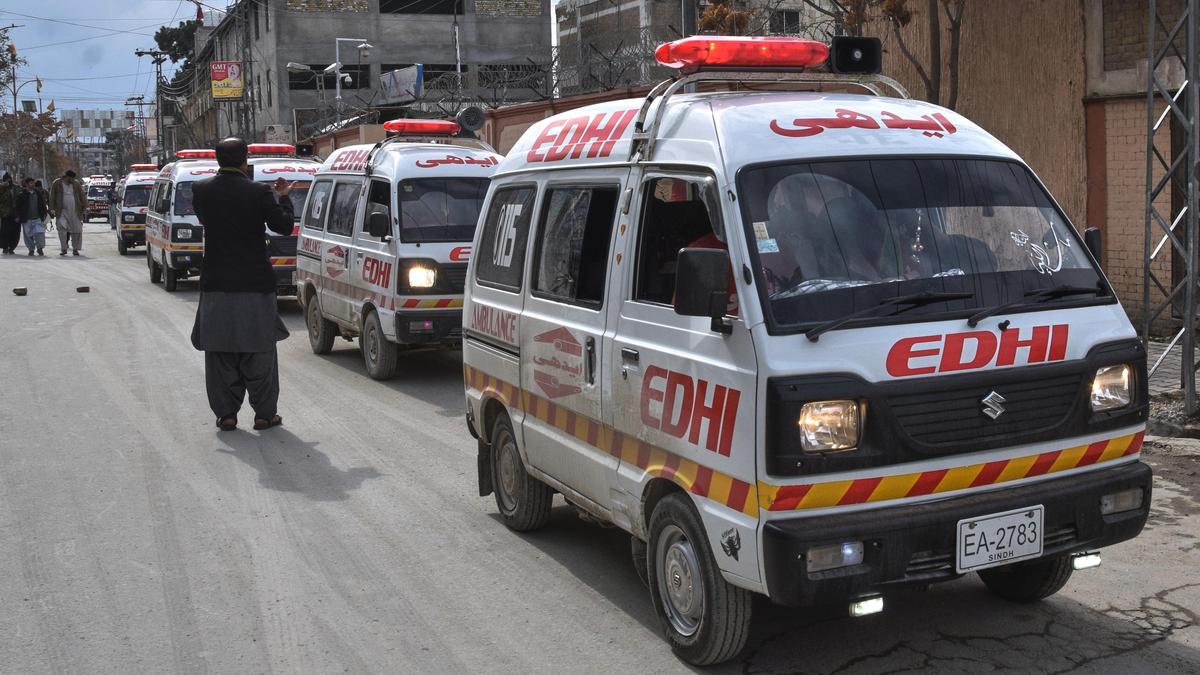
Sun Feb 01 01:45:32 UTC 2026: ### Headline: Escalating Violence in Balochistan: Dozens Killed in Counter-Terror Operations
The Story:
Pakistani security forces engaged in multiple counter-terrorism operations across Balochistan province, resulting in the deaths of at least 67 terrorists, 11 civilians, and 10 security personnel as of January 31, 2026. The operations, which began on January 29, 2026, targeted various locations, including Quetta, Gwadar, and other districts. The Balochistan Liberation Army (BLA) is implicated in attacks, including one in Gwadar that killed a family of five. While the identification of all slain terrorists is still in progress, authorities suspect involvement from the Tehreek-e-Taliban Pakistan (TTP) as well.
The ongoing operations are a response to a surge in terrorist activity in Balochistan, which has seen a significant increase in fatalities in recent years. The attacks involved explosives laid on railway tracks and assaults on security forces, all of which the government claims to have thwarted.
Key Points:
- At least 67 terrorists, 11 civilians (all ethnic Baloch), and 10 security personnel killed in clashes across Balochistan.
- Operations took place in Quetta, Gwadar, Makram, Hub, Chaman, and Naseerabad.
- The Balochistan Liberation Army (BLA) is suspected of involvement, particularly in the Gwadar attack.
- The possibility of Tehreek-e-Taliban Pakistan (TTP) involvement is being investigated.
- Terrorists targeted railway tracks with explosives.
- Violence in Balochistan has seen a significant increase in recent years, with fatalities up by 22% compared to the previous year.
- Nationwide terror attacks and violence escalated by 34% in 2025, with 699 attacks recorded.
Critical Analysis:
The provided context reveals a pattern of escalating violence within Pakistan, specifically highlighting Balochistan. The mention of operations in Jammu and Kashmir (J&K) against Jaish terrorists indicates a broader security challenge across the region, which needs to be examined. Furthermore, the conflict and casualties occurring in Gaza concurrently may further draw attention away from Pakistan which may have been its intention in the first place. The Balochistan conflict is rooted in separatist sentiments and socio-economic grievances which if not addressed will result in further violence.
Key Takeaways:
- Balochistan faces a severe and worsening security crisis.
- Separatist groups like the BLA are actively engaged in violent attacks.
- The potential involvement of the TTP indicates a possible nexus between different militant groups.
- The Pakistani government is conducting extensive counter-terrorism operations, but these have not yet quelled the violence.
- The surge in violence reflects a broader trend of increasing instability in the region.
Impact Analysis:
The escalating violence in Balochistan has significant long-term implications:
- Regional Instability: Continued unrest in Balochistan could further destabilize the region, potentially impacting neighboring countries.
- Socio-Economic Development: The security situation hinders economic development and investment in Balochistan, exacerbating existing grievances.
- Human Rights: Increased military operations raise concerns about human rights abuses and the treatment of civilians in the region.
- Geopolitical Implications: Balochistan’s strategic location makes it a key area of interest for regional and international powers, and continued instability could draw in external actors.
- Increased radicalization: The increase in violence may lead to further radicalization and recruitment into terrorist groups.
 First Piper