
Fri Jan 30 08:58:02 UTC 2026: # Rivers That Refuse to Mix: A Natural Wonder Explained
The Story:
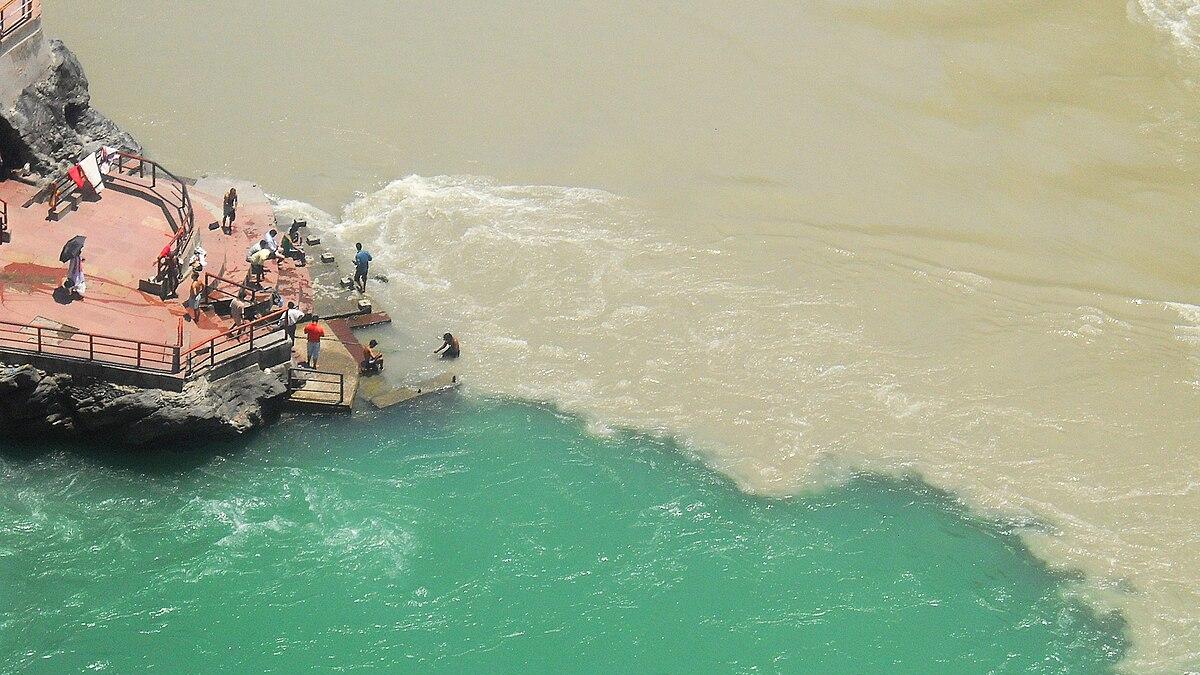
A recent article in The Hindu on January 30, 2026, delves into the fascinating scientific phenomenon of rivers that meet but don’t immediately mix. Focusing on examples like the Alaknanda and Bhagirathi at Devprayag in India, the Rio Negro and Solimões in the Amazon, and the Rhone and Arve in Switzerland, the article explains how differences in temperature, density, sediment load, speed, volume, and chemical composition can prevent instantaneous blending. The article highlights that mixing does eventually occur downstream, emphasizing nature’s own timetable.
Key Points:
- The article highlights examples of rivers flowing side-by-side without mixing, including the Alaknanda and Bhagirathi (India), Rio Negro and Solimões (Amazon), and Rhone and Arve (Switzerland).
- Key factors preventing immediate mixing include differences in temperature (warmer vs. colder water), density (sediment load), speed and volume of flow, and chemical composition.
- Laminar flow and stratification contribute to the delay in mixing, as parallel layers and varying densities reduce immediate contact.
- The article emphasizes that mixing is not instantaneous but a process that occurs over time and distance.
- These river boundaries provide insights into river ecology, pollution tracking, glacial melt, and climate change research.
Critical Analysis:
- The article can be read in the context of broader concerns about water resources, pollution and environmental change. Rivers are not just sources of water; they are ecological systems that carry information about the land they traverse. The discussion of the article comes at a time when there are political contestations for state rights on river water.
Key Takeaways: -
The immediate mixing of rivers is not a given; various factors can cause a delay.
- The visible separation of rivers is a result of natural physical processes, not “magic”.
- These natural boundaries have significant implications for ecological studies, pollution control, and climate change research.
- Mixing timescales are inherent to rivers with varying characteristics.
- Nature operates on its own timeline, and the eventual mixing demonstrates nature’s patient processes.
Impact Analysis:
Understanding these river dynamics is crucial for:
- Environmental Monitoring: Tracking pollutants and their downstream impact on ecosystems.
- Water Resource Management: Predicting how glacial meltwater affects river systems in a changing climate.
- Ecological Studies: Understanding how different river characteristics influence the distribution of plant and animal life.
- Informing Policy: Development of better water management and environmental regulation strategies.
 First Piper