
Fri Jan 30 10:03:05 UTC 2026: ### Headline: Venezuela Privatizes Oil Sector After U.S. Intervention, Reversing Decades of Socialist Policy
The Story:
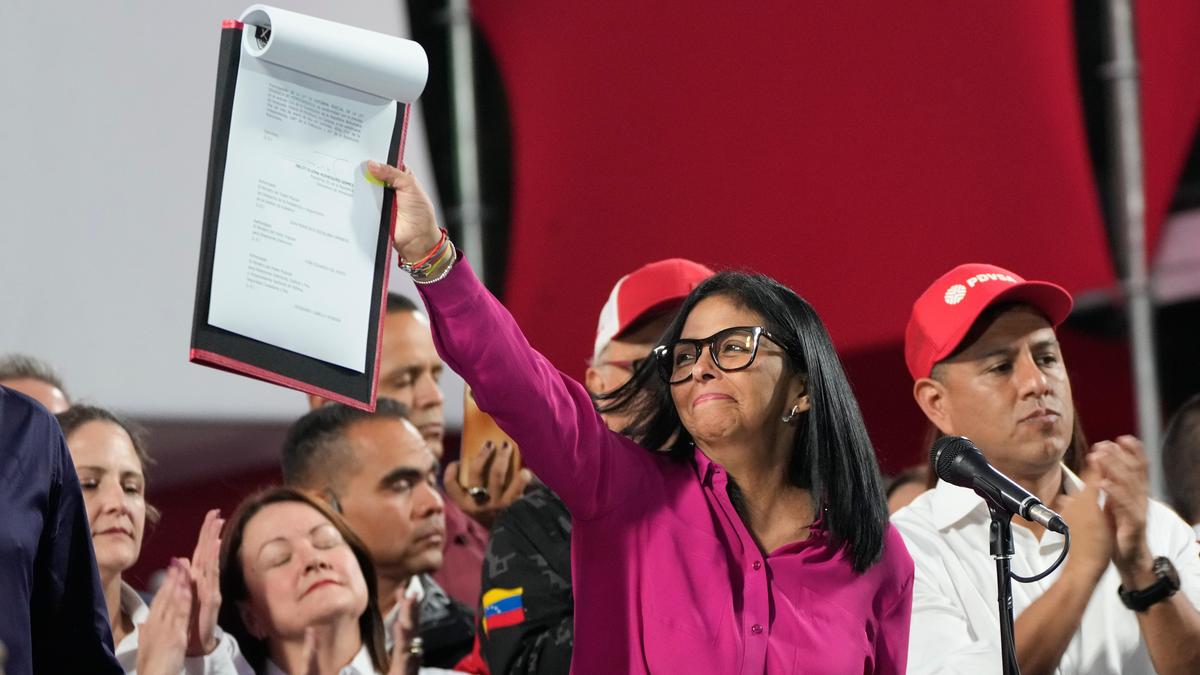
Venezuela’s acting President Delcy Rodríguez signed a law on January 29, 2026, opening the nation’s oil sector to privatization. This reverses a key tenet of the socialist movement that has governed Venezuela for over two decades. The move is designed to attract foreign investment to revitalize the struggling oil industry, Venezuela’s economic engine. This action occurred less than a month after the U.S. military seized then-President Nicolas Maduro in Caracas. Simultaneously, the U.S. Department of Treasury began easing sanctions on Venezuelan oil, initially imposed by the first Trump administration, and expanded the operational capabilities of U.S. energy companies in Venezuela.
Key Points:
- Acting President Delcy Rodríguez signed legislation privatizing Venezuela’s oil sector.
- The privatization aims to attract foreign investment to revive Venezuela’s crippled oil industry.
- The move follows the seizure of former President Nicolas Maduro in a U.S. military attack.
- The U.S. Treasury Department is easing sanctions on Venezuelan oil and expanding the operational capabilities of U.S. energy firms in the country.
- U.S. President Donald Trump and Secretary of State Marco Rubio discussed the sale of Venezuelan oil and oversight of the revenue flow.
- The new law allows private companies to fully manage oil production and sales, ending the monopoly of state-owned PDVSA.
- The legislation includes independent arbitration for disputes and sets a royalty cap rate of 30%.
- Former leader Hugo Chávez’s 2006 changes to the oil law, which nationalized huge assets belonging to American firms, are being undone, with companies like ExxonMobil and ConocoPhillips potentially benefiting.
Critical Analysis:
The news events leading up to this article paint a clear picture of U.S. interventionist strategy. The seizure of Nicolas Maduro, coupled with the subsequent easing of sanctions and privatization of the oil sector, strongly suggests coordinated action by the Trump administration to gain control over Venezuela’s oil resources. Trump mentioning that he wanted to revitalize the industry by luring foreign investment earlier in the month seals this perspective. The mention of easing sanctions imposed by the “first Trump administration” suggests that the United States is under a second Trump presidency.
Key Takeaways:
- Venezuela’s economic policy has undergone a dramatic shift from state control to privatization, driven by U.S. intervention.
- The U.S. is strategically leveraging its power to gain access to Venezuela’s vast oil reserves, the largest in the world.
- Foreign investors, particularly U.S. oil companies, stand to benefit significantly from the new legislation and the easing of sanctions.
- The situation raises questions about the sovereignty of Venezuela and the role of foreign powers in its economic and political future.
- This shift could have long-term geopolitical implications for South America and global energy markets.
Impact Analysis:
The privatization of Venezuela’s oil sector will likely have significant long-term implications:
* Economic Restructuring: Venezuela’s economy will likely undergo a major transformation, potentially shifting from a socialist model to a more market-driven approach. This transition may be turbulent, with potential social and political unrest.
* Increased Foreign Influence: The influx of foreign investment, particularly from U.S. companies, will likely increase foreign influence in Venezuela’s economic and political affairs.
* Energy Market Dynamics: Increased oil production from Venezuela could impact global energy prices and supply chains, potentially affecting other oil-producing nations.
* Geopolitical Realignments: The U.S.’s assertive actions in Venezuela may prompt reactions from other global powers, leading to geopolitical realignments in the region.
* Legal Challenges: The nationalization of assets under Hugo Chávez led to lengthy legal battles. Similar disputes could arise as foreign companies re-enter the market and seek compensation for past losses.
 First Piper