
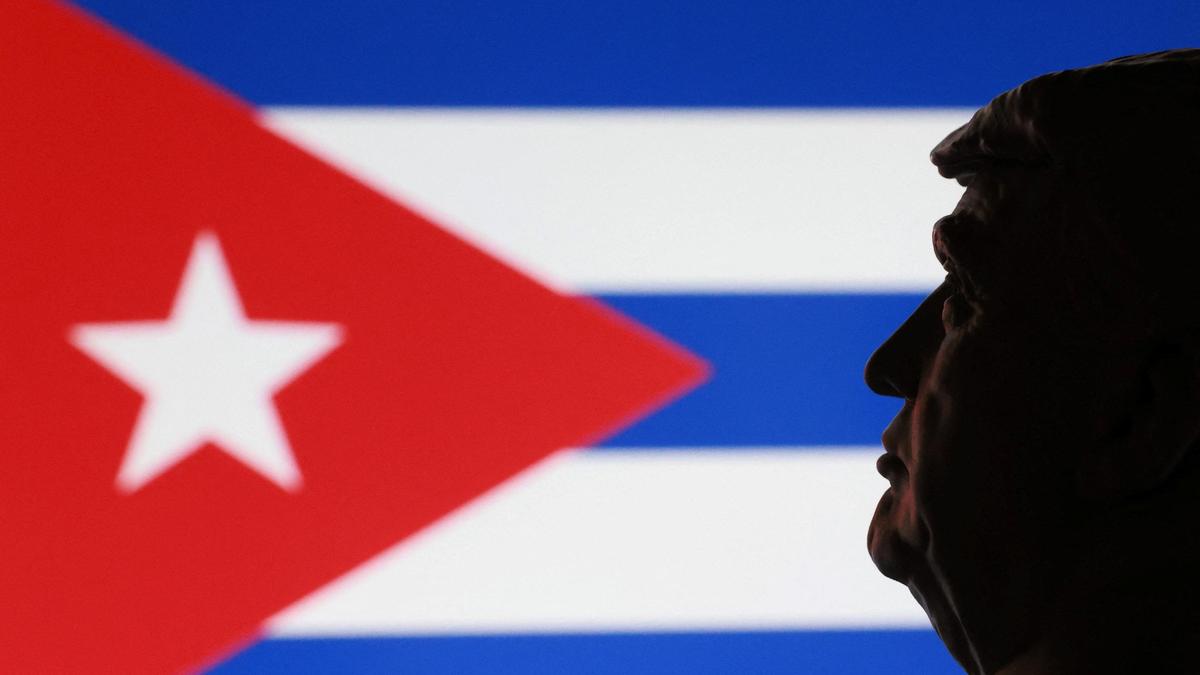
Sat Jan 31 04:02:49 UTC 2026: ### U.S. Tariffs Threaten Cuba Amidst Venezuelan Turmoil
The Story: The United States, under President Donald Trump, is escalating pressure on Cuba following the recent U.S. military intervention in Venezuela, which deposed President Nicolas Maduro. A tariff order signed on January 29, 2026, threatens countries that continue to supply oil to Cuba, leading to strong condemnation from Venezuela and China. Cuba faces a severe economic crisis, exacerbated by the loss of Venezuelan oil, its primary benefactor, after the U.S. seized control of Venezuelan oil resources.
Key Points:
- The U.S. President Donald Trump imposed tariffs on countries that trade oil with Cuba.
- Venezuela condemned the U.S. action as “punitive measures” and expressed solidarity with Cuba.
- China criticized the U.S., stating it “stands firmly against moves that deprive the Cuban people of their rights to subsistence and development.”
- Cuban President Miguel Diaz-Canel denounced the U.S. as a “fascist, criminal and genocidal” cabal.
- Cuba faces its worst economic crisis since the collapse of the Soviet Union in 1991.
- Marco Rubio, the Cuban-American Secretary of State, is aligned with Trump’s policy against Cuba.
- The U.S. military operation in Venezuela occurred on January 3, 2026.
Critical Analysis:
The events unfolding are a clear continuation of the Trump administration’s aggressive foreign policy towards countries perceived as adversaries or threats to U.S. interests. The timing of the tariffs, immediately following the intervention in Venezuela, suggests a coordinated strategy to exert maximum economic pressure on Cuba, leveraging the power vacuum created in Venezuela to cripple Cuba’s already struggling economy.
Key Takeaways:
- The U.S. is actively pursuing regime change in Cuba through economic coercion, following military intervention in Venezuela.
- The situation creates a potential humanitarian crisis in Cuba, as its oil supply is cut off.
- The actions of the U.S. are further straining relations with Venezuela and China, potentially leading to a broader international conflict.
- The policy decisions seem directly influenced by domestic political considerations, namely the strong anti-Castro sentiment within the Cuban-American community.
Impact Analysis:
The long-term impacts of these actions are potentially significant. Firstly, the destabilization of Cuba could lead to a refugee crisis and increased migration towards the United States. Secondly, the international backlash against U.S. interventionism could further erode U.S. influence and credibility on the global stage. The increasing reliance on economic sanctions and military force as foreign policy tools could ultimately backfire, pushing other countries towards alternative economic and political alliances, potentially diminishing the United States’ global standing in the long run. Furthermore, the situation in Venezuela and Cuba could create opportunities for other global powers, such as China and Russia, to expand their influence in the Western Hemisphere, challenging the established regional order.
 First Piper