
Fri Jan 30 04:16:06 UTC 2026: ### Headline: Smithsonian Returns Three Stolen Indian Sculptures, Sparking Debate Over “Long-Term Loan”
The Story:
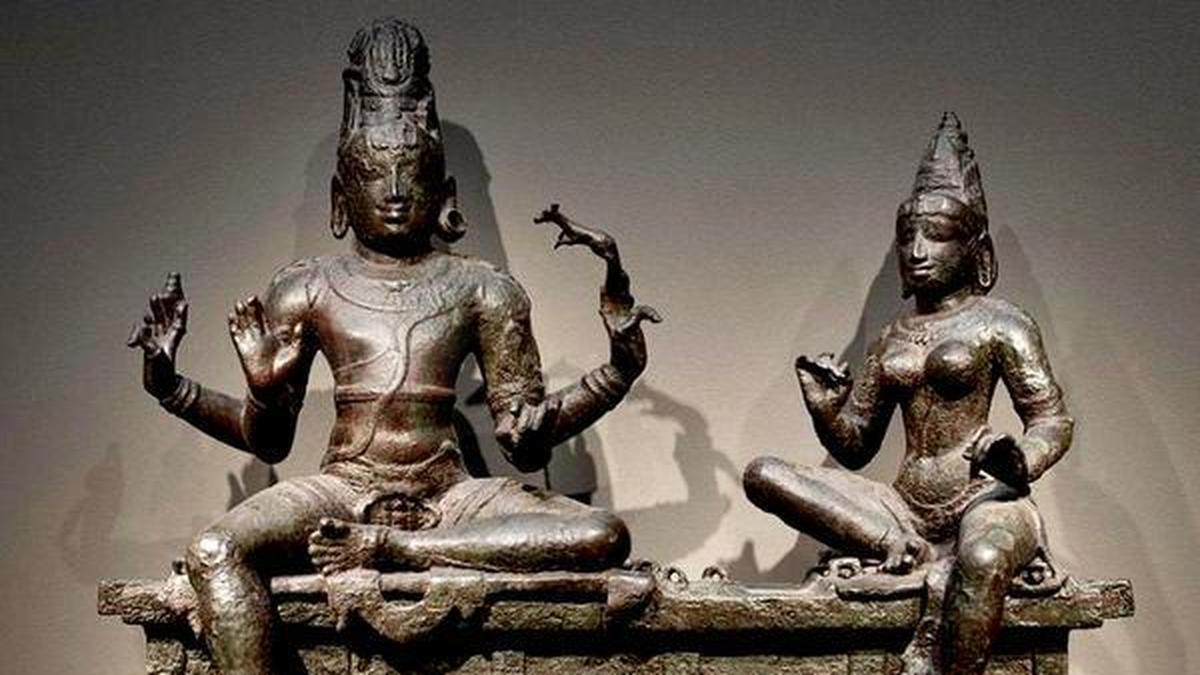
The Smithsonian’s National Museum of Asian Art announced on January 28, 2026, the return of three sculptures—Nataraja, Somaskanda, and Saint Sundarar with Paravai—to the Government of India. This decision comes after rigorous provenance research confirmed the sculptures were illegally removed from temples in Tamil Nadu. The Indian government has agreed to a “long-term loan” of the Shiva Nataraja sculpture, which will be displayed as part of an exhibition. This move is lauded as a victory for the recovery of stolen cultural heritage, but the loan agreement has sparked controversy.
Key Points:
* The sculptures include a 10th Century Nataraja, a 12th Century Somaskanda, and a 16th Century Saint Sundarar with Paravai.
* Provenance research, in collaboration with the French Institute of Pondicherry, confirmed the sculptures were photographed in Tamil Nadu temples between 1956 and 1959.
* The Archaeological Survey of India affirmed the sculptures were removed in violation of Indian laws.
* K. Jayanth Murali, former Director-General of Police, Idol Wing-CID, highlighted the use of the Mutual Legal Assistance Treaty (MLAT) in the recovery.
* Heritage researcher S. Vijay Kumar criticized the “long-term loan” of the Nataraja, deeming it “legally untenable” and highlighting that red flags in the provenance papers were visible for decades.
Key Takeaways:
- The return highlights the increasing importance of provenance research and international cooperation in recovering stolen cultural artifacts.
- The use of MLAT is proving to be a viable strategy for the Tamil Nadu Idol Wing-CID.
- The “long-term loan” arrangement raises ethical questions regarding the ownership and repatriation of sacred objects, and could set a precedent for future repatriation cases.
- The case underscores the long time lag between initial identification of stolen artifacts and their eventual return.
Impact Analysis:
The return of these sculptures, particularly the debate surrounding the Nataraja’s “long-term loan,” is likely to have several long-term implications:
- Increased Scrutiny of Museum Collections: This case will likely encourage further scrutiny of provenance records in museums worldwide, particularly concerning artifacts from former colonial territories.
- Strengthened International Cooperation: The successful use of MLAT may lead to greater reliance on such treaties in future repatriation efforts.
- Reconsideration of Repatriation Policies: The “long-term loan” controversy could prompt museums and governments to re-evaluate their policies on the repatriation of cultural heritage, particularly regarding sacred or culturally significant objects.
- Empowerment of Source Communities: The successful recovery efforts, even with the controversy surrounding the loan, may empower source communities to demand the return of other stolen artifacts and to play a more active role in the stewardship of their cultural heritage.
 First Piper