
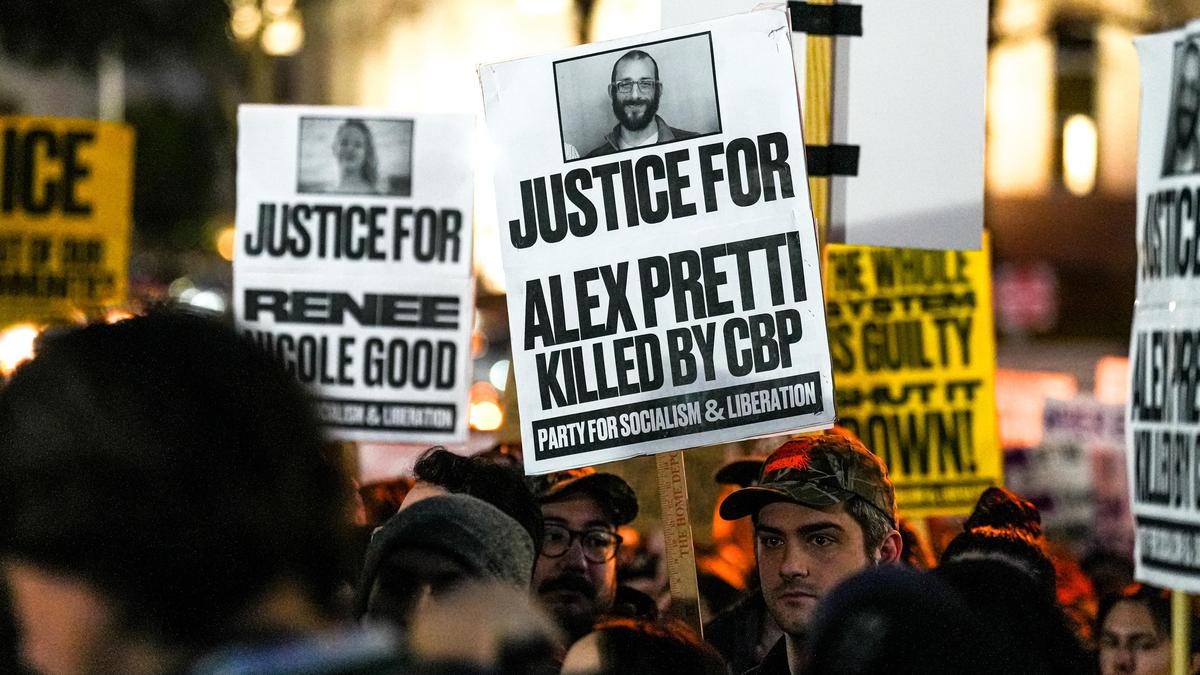
Sat Jan 31 08:17:26 UTC 2026: ### DOJ Launches Civil Rights Investigation into Alex Pretti Shooting Amidst National Protests
The Story:
The U.S. Justice Department has initiated a civil rights investigation into the fatal shooting of Alex Pretti, 37, by federal immigration officers in Minneapolis on January 24, 2026. This action follows widespread outrage and nationwide protests against the Trump administration’s immigration crackdown. While the investigation could potentially lead to criminal charges against the officers involved, the legal threshold for such a case is high. The FBI is examining the shooting, with possible assistance from the Department’s Civil Rights Division.
Deputy Attorney General Todd Blanche characterized the probe as a standard investigation, while local officials remain skeptical of the administration’s trustworthiness and are conducting their own investigation. Notably, this is the second protester fatally shot by federal agents in Minneapolis this month. Concerns are compounded by the fact that the DOJ has not opened a similar criminal civil rights investigation into the earlier fatal shooting of Renee Good, also 37, by an ICE officer.
Key Points:
- The DOJ has launched a civil rights investigation into the January 24, 2026, shooting of Alex Pretti by federal immigration officers in Minneapolis.
- The investigation is being led by the FBI, potentially with assistance from the Department’s Civil Rights Division.
- The shooting occurred during an immigration crackdown, prompting nationwide protests.
- Alex Pretti was the second protester fatally shot by federal agents in Minneapolis this month.
- The DOJ has not opened a similar investigation into the earlier shooting of Renee Good.
- Local officials distrust the Trump administration’s handling of the situation and are pursuing their own investigation.
- Video verified by Reuters shows Pretti holding a cell phone and being wrestled to the ground before the shooting.
Critical Analysis:
The DOJ’s decision to launch a civil rights investigation into the Pretti shooting, while not doing so for the Good shooting, raises significant questions about impartiality and potential political influence. The fact that local officials are pursuing their own investigation underscores a deep lack of trust in the federal government’s handling of these incidents. The protests and scrutiny likely compelled the DOJ to act, even if it downplays the scope of the investigation. This situation highlights the delicate balance between federal authority, local autonomy, and public accountability in matters of immigration enforcement.
Key Takeaways:
- The Pretti shooting has become a flashpoint in the ongoing debate over immigration enforcement tactics.
- The DOJ’s investigation is under intense public scrutiny, with expectations of transparency and impartiality.
- The incident underscores the increasing polarization and distrust between federal and local authorities.
- The video evidence adds a layer of complexity and may play a crucial role in the investigation’s outcome.
- The absence of a similar investigation into the Good shooting raises concerns about potential bias within the DOJ.
Impact Analysis:
The investigation into the Pretti shooting, combined with the Good shooting and the shuttering of the education department, carries significant long-term implications:
- Erosion of Public Trust: The perceived disparity in investigating the two shootings could further erode public trust in law enforcement and government institutions, particularly among immigrant communities and civil rights advocates.
- Heightened Political Tensions: The events are likely to fuel further political polarization, with potential implications for future elections and policy debates on immigration reform and police accountability.
- Legal Precedents: The outcome of the investigation and any subsequent legal proceedings could set important precedents for the use of force by federal agents and the scope of civil rights protections.
- Federal-Local Relations: The distrust expressed by local officials towards the federal government may lead to increased resistance to federal immigration enforcement efforts and greater reliance on local initiatives.
- Policy Reforms: The events could spur renewed calls for policy reforms aimed at increasing transparency and accountability in immigration enforcement and addressing systemic issues within law enforcement agencies.
 First Piper