
Sat Jan 31 09:08:32 UTC 2026: ### U.S. Government Enters Partial Shutdown Amid Immigration Enforcement Dispute
The Story:
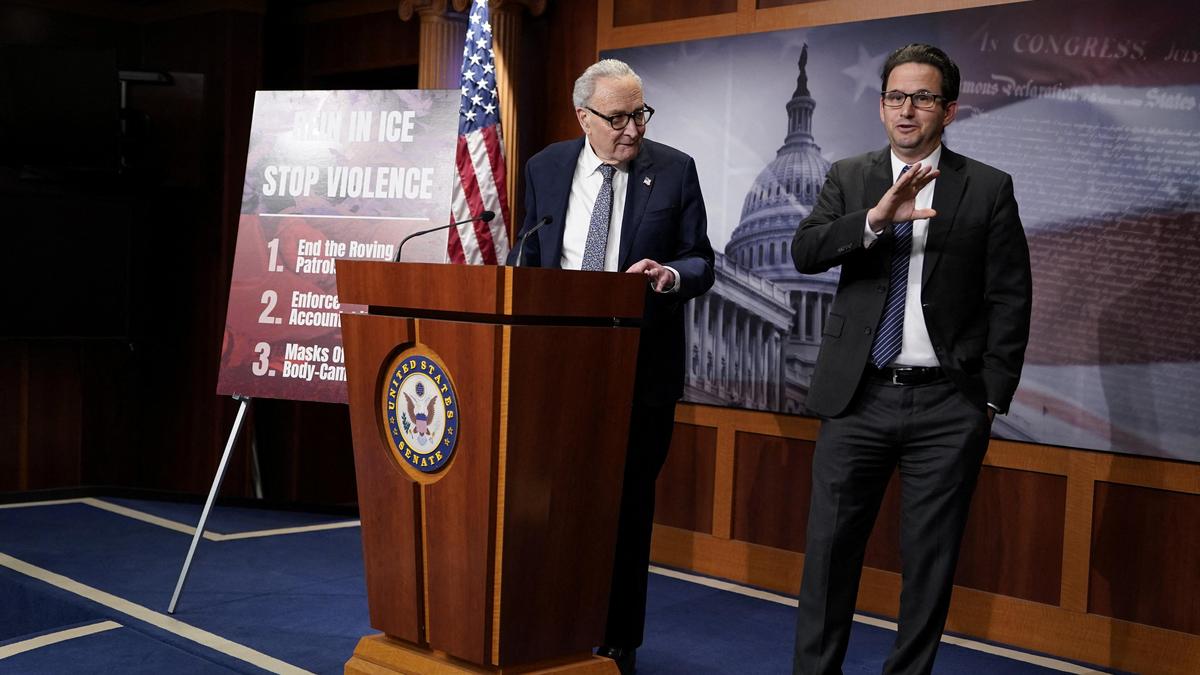
The U.S. government entered a partial shutdown on Saturday, January 31, 2026, after Congress failed to approve the 2026 Budget by the midnight funding deadline. The shutdown was triggered by a breakdown in negotiations between Democrats and Republicans over funding for the Department of Homeland Security (DHS), fueled by Democratic outrage over the killing of two protesters in Minneapolis by federal immigration agents. While a short disruption is anticipated due to the House’s expected ratification of a Senate-backed deal early next week, the shutdown underscores the deep political divisions over immigration enforcement policies.
Key Points:
- The U.S. government experienced a partial shutdown starting January 31, 2026.
- The shutdown stems from a dispute over DHS funding and immigration enforcement policies.
- Democrats are angered by the killing of two protesters in Minneapolis by federal immigration agents.
- The Senate passed a package clearing five funding bills and a two-week stopgap measure for DHS, but the House is not scheduled to vote until February 2, 2026.
- President Donald Trump supports the Senate deal, seeking to avoid a prolonged shutdown.
- Senator Lindsey Graham initially blocked the package over provisions related to sanctuary cities and Justice Department investigations but later relented after commitments for future votes on his sponsored legislation.
Critical Analysis:
The shutdown represents a significant escalation in the ongoing battle over immigration policy in the United States. The killing of protesters in Minneapolis has served as a catalyst, galvanizing Democratic opposition to DHS funding without meaningful reforms to immigration enforcement practices. The willingness of the White House to split DHS funding from the broader budget package suggests an acknowledgement of the need to recalibrate its deportation strategy, potentially signaling a strategic shift in response to political pressures. However, the division among Republicans highlights the challenges of finding a consensus on immigration policy.
Key Takeaways:
- Immigration enforcement remains a deeply divisive issue in U.S. politics, capable of triggering government shutdowns.
- Public outcry over the actions of federal immigration agents can significantly impact budget negotiations and legislative outcomes.
- The incident highlights the fragility of bipartisan cooperation and the potential for political gridlock in the U.S. government.
- The frequent occurence of government shutdowns as reported in the context shows the instability of the political system.
- The President’s desire to avoid a lengthy shutdown shows the pressure he is under to maintain government functionality.
Impact Analysis:
The shutdown, even if short-lived, has several potential long-term implications. It could further erode public trust in the government’s ability to function effectively. The debate surrounding immigration enforcement policies may lead to legislative reforms or increased oversight of federal immigration agencies. The incident could also embolden activists and advocacy groups to push for more significant changes to immigration laws and practices. Further, the ongoing political instability could impact international relations and the U.S.’s standing on the world stage.
 First Piper