
Sat Jan 31 12:10:00 UTC 2026: ### Headline: Trump Orders IndyCar Race in D.C. to Celebrate America’s 250th
The Story:
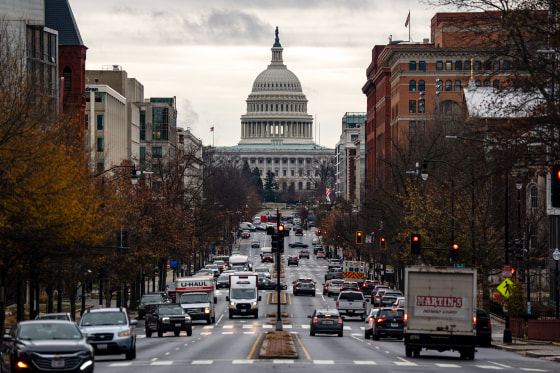
President Donald Trump signed an executive order on Friday, directing the Interior and Transportation departments to collaborate with the Mayor of Washington D.C. to organize an IndyCar race, named the “America250 Grand Prix,” on the streets of the District of Columbia in August 2026. The race is intended to coincide with the celebration of America’s 250th birthday. The order tasks the departments with expediting permits and approvals, and grants Transportation Secretary Sean Duffy the authority to allocate available funds to facilitate the race.
IndyCar and Mayor Muriel Bowser have expressed their support for the event, highlighting the potential economic benefits for the city. However, the project faces logistical challenges, including the need for potential congressional approval due to advertising restrictions on Capitol grounds.
Key Points:
- President Trump signed an executive order to launch the “America250 Grand Prix” in D.C. in August 2026.
- The Interior and Transportation departments are instructed to coordinate with the D.C. Mayor to design the race route.
- Transportation Secretary Sean Duffy is authorized to use available funds for the race.
- IndyCar and Mayor Bowser have publicly voiced their support for the event.
- The project may face hurdles related to advertising restrictions and potential congressional approval.
Key Takeaways:
- President Trump is actively seeking to incorporate national celebrations into major events.
- The administration is pushing for rapid execution, potentially bypassing standard approval processes.
- There is a potential conflict between the administration’s vision and existing regulations regarding advertising on Capitol grounds.
- Economic benefits are being emphasized to garner local support for the event.
- The race represents a significant undertaking that could face logistical and legislative obstacles.
Impact Analysis:
The success of this event could set a precedent for future collaborations between the federal government and major sports organizations to commemorate national milestones. However, failure to navigate the regulatory hurdles or secure community buy-in could lead to negative perceptions of the administration’s ability to execute large-scale projects in the nation’s capital. The event’s impact on tourism revenue for the District of Columbia could have long-term economic implications, particularly if the race becomes an annual fixture. The degree to which Congress acquiesces on advertising restrictions on Capitol grounds could also impact future commercial activities in the area.
 First Piper