
Sat Jan 31 07:35:59 UTC 2026: ### Trump Administration Intensifies Crackdown on International Students and Universities
The Story:
The Trump administration is escalating its efforts to curb what it perceives as leftist ideology and foreign influence within U.S. universities, significantly impacting the international student population. Measures include increased scrutiny of visas, detentions of students involved in pro-Palestinian protests, and attempts to dismantle the Education Department. These actions have led to legal challenges, with universities and academic associations suing the administration for violating the First Amendment rights of non-citizen students. The administration’s stance has created an atmosphere of uncertainty and anxiety, especially for international students navigating visa revocations, restricted job opportunities, and heightened surveillance.
Key Points:
- Detentions and Deportations: Students, such as Tufts University doctoral student Rümeysa Öztürk and Columbia PhD student Ranjani Srinivasan, were detained or faced visa revocation for expressing pro-Palestine sentiments.
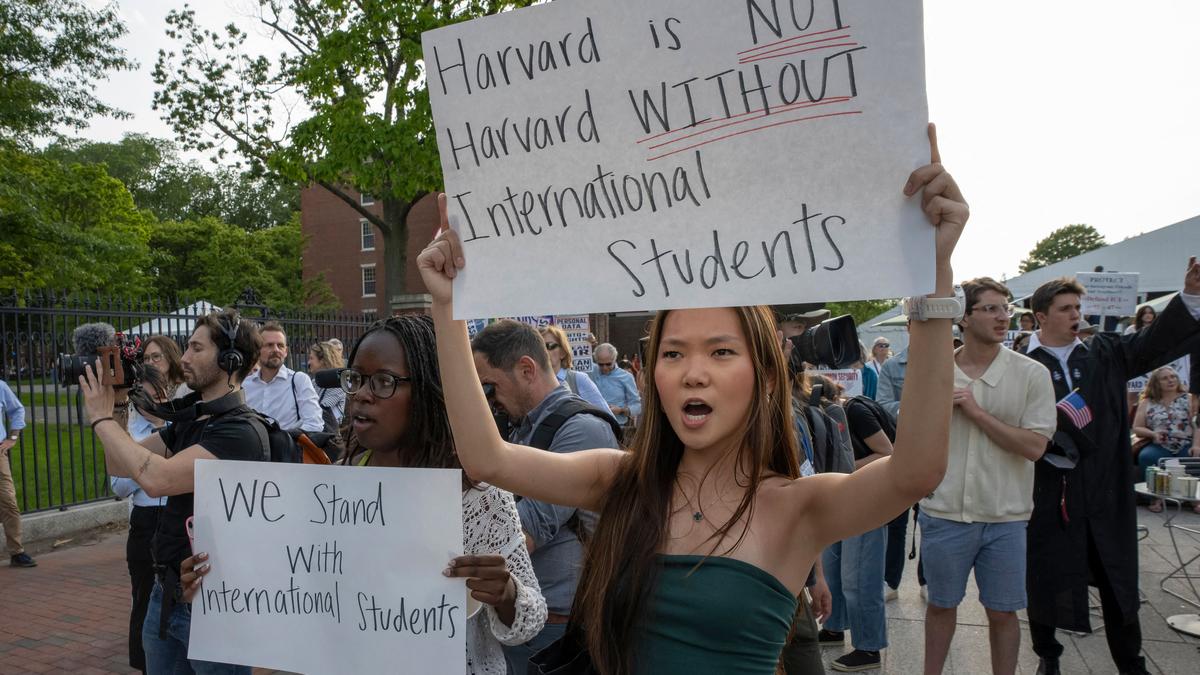
- Harvard Targeted: Harvard University faced an attempt to suspend its Student and Exchange Visitor Programme (SEVP) certification, effectively barring it from enrolling international students and hosting foreign researchers; this was blocked by a federal judge.
- Increased Scrutiny: Universities hosting significant populations of Chinese students faced demands for details about their involvement in federally funded research.
- Social Media Monitoring: The U.S. State Department now requires student visa applicants to unlock their social media accounts for government review.
- Financial Impact: A potential 30% to 40% fall in new international student enrollment could lead to nearly $7 billion in lost spending in local communities.
- H-1B Visa Hurdles: New $100,000 visa fee for new H-1B visa applicants, impacting future work opportunities for international students.
- Travel Bans: The Trump administration expanded its travel ban, impacting the ability of citizens from numerous countries to visit the U.S.
Critical Analysis:
The historical context provides a clearer understanding of the events surrounding the Trump administration’s actions against universities and international students. The efforts to dismantle the Education Department (“The Trump vs Universities stand-off: Shuttering the education department”) and the broader conflict with universities (“The Trump vs Universities stand-off: Faculty and staff “) align with the administration’s broader strategy to reshape educational institutions. The related story about the gold and silver markets dropping due to the Trump administration’s Federal Reserve Chair pick reveals that there are deep ramifications across various sectors, suggesting that these policies are intentionally designed to trigger a broad range of outcomes within the political and financial landscape.
Key Takeaways:
- The Trump administration is actively attempting to reshape higher education by limiting foreign influence and suppressing dissenting political views among international students.
- Legal challenges and public outcry have provided some resistance, but the administration continues to push forward with increasingly restrictive policies.
- The long-term economic consequences of these policies could be significant, potentially jeopardizing jobs and reducing financial contributions from international students.
- The policies are causing uncertainty and anxiety among international students, affecting their decisions about studying in the U.S.
- Universities are beginning to implement measures to protect the privacy and rights of their international students.
Impact Analysis:
The actions of the Trump administration have the potential for long-term implications on U.S. higher education and international relations.
- Decline in International Student Enrollment: The restrictive policies could lead to a significant decline in international student enrollment, impacting the diversity and vibrancy of U.S. universities.
- Damage to U.S. Reputation: The perception of the U.S. as a welcoming destination for international students could be damaged, leading students to choose other countries for their education.
- Economic Consequences: Reduced international student enrollment could negatively impact the U.S. economy, particularly in college towns that rely on the spending of these students.
- Legal Precedents: The legal challenges to the administration’s policies could set important precedents for the protection of free speech and academic freedom for non-citizens.
- Shift in Global Educational Landscape: These policies could accelerate the shift in the global educational landscape, with other countries becoming more attractive destinations for international students.
 First Piper