
Sat Jan 31 07:03:40 UTC 2026: ### Trump’s Second Term Reshapes US Higher Education Landscape
The Story:
President Donald Trump’s second term has brought sweeping changes to the American university system, marked by crackdowns on perceived anti-Semitism and DEI initiatives, coupled with significant alterations to student loan programs and funding models. These shifts are impacting both students and institutions, with some universities facing funding cuts and increased scrutiny, while others adapt by modifying their policies and seeking alternative revenue streams. These measures, coupled with the dismantling of the Education Department, aim to reshape higher education based on the administration’s focus on meritocracy and a perceived need for fairness.
Key Points:
- The Trump administration has launched a federal antisemitism task force, investigating ten universities with pro-Palestine protests, threatening funding cuts up to $400 million.
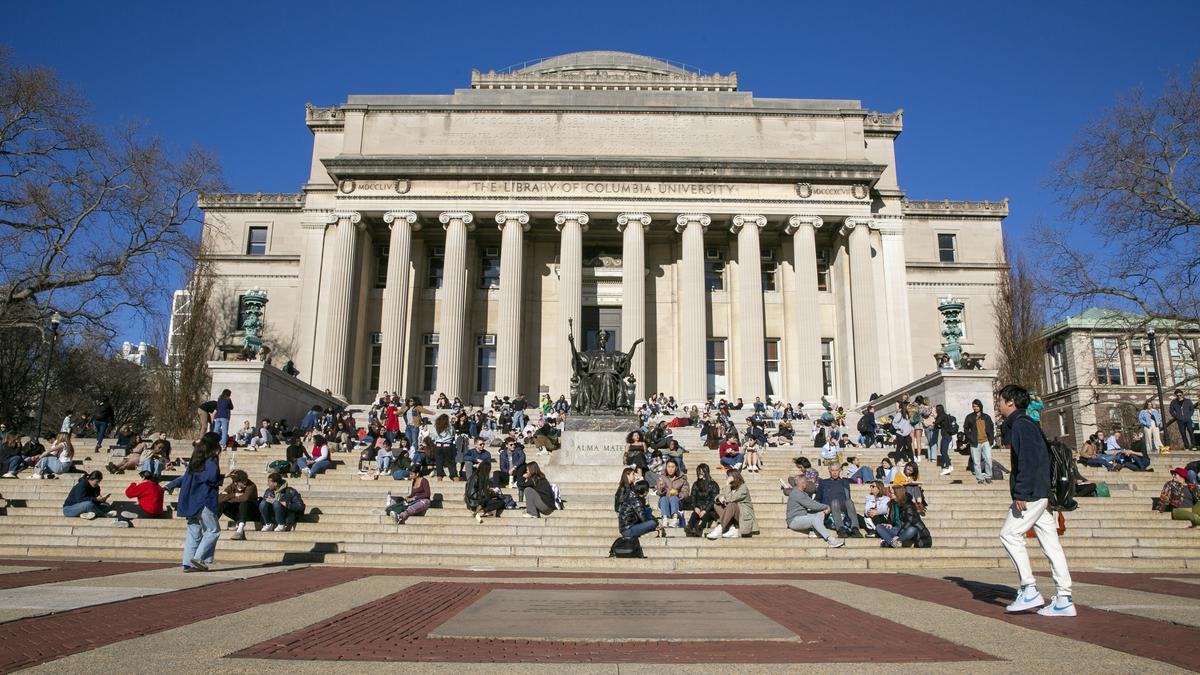
- Universities like Columbia are implementing stricter protest policies, increased security, and oversight of Middle Eastern, South Asian, and African Studies departments in response to government pressure.
- Diversity, Equity, and Inclusion (DEI) initiatives are being scaled back, with universities cautioned against diversity-related essays in admissions.
- The “One Big Beautiful Bill Act” (OBBBA) introduces a lifetime borrowing cap for graduate students at $20,500, eliminates the GradPLUS program, and sets a $65,000 cap on Parent PLUS loans.
- Pell Grants are now available for short-term work training programs, while federal student aid offices are closing, impacting access to aid.
- Funding has been redirected from Hispanic Serving Institutions (HSIs) to Tribal Colleges and Universities (TCUs) and Historically Black Universities (HBCUs).
- The administration seeks to end funding for TRIO grants, impacting outreach programs for disadvantaged students.
Critical Analysis:
The provided historical context suggests a clear and escalating conflict between the Trump administration and universities. The repeated references to “The Trump vs Universities stand-off” in earlier reports highlight a deliberate strategy of confrontation and reform. The timing of these measures, as revealed in earlier updates, suggests a calculated approach to dismantle existing policies and reshape the higher education landscape in alignment with the administration’s objectives.
Key Takeaways:
- The Trump administration is actively reshaping higher education through policy changes, funding cuts, and increased scrutiny.
- There’s a significant shift away from DEI initiatives towards a focus on meritocracy and specific groups deemed to be in alignment with administration values.
- Student loan programs are being overhauled with stricter limits and repayment plans, which may impact access to higher education for certain demographics.
- The moves appear to prioritize vocational training and specific types of institutions (HBCUs, TCUs) while defunding or reducing support for others.
- The restructuring is creating financial challenges for universities, potentially leading to tuition increases and program cuts.
Impact Analysis:
The long-term impact of these policies is potentially profound. The changes to student loan programs and the focus on short-term training may redirect students away from traditional four-year degrees. The shift in funding priorities could lead to the decline of certain universities and programs, while others benefit. The dismantling of DEI initiatives may lead to a less diverse student body at some institutions. Ultimately, these policies could reshape the American workforce and the accessibility of higher education for future generations.
 First Piper