
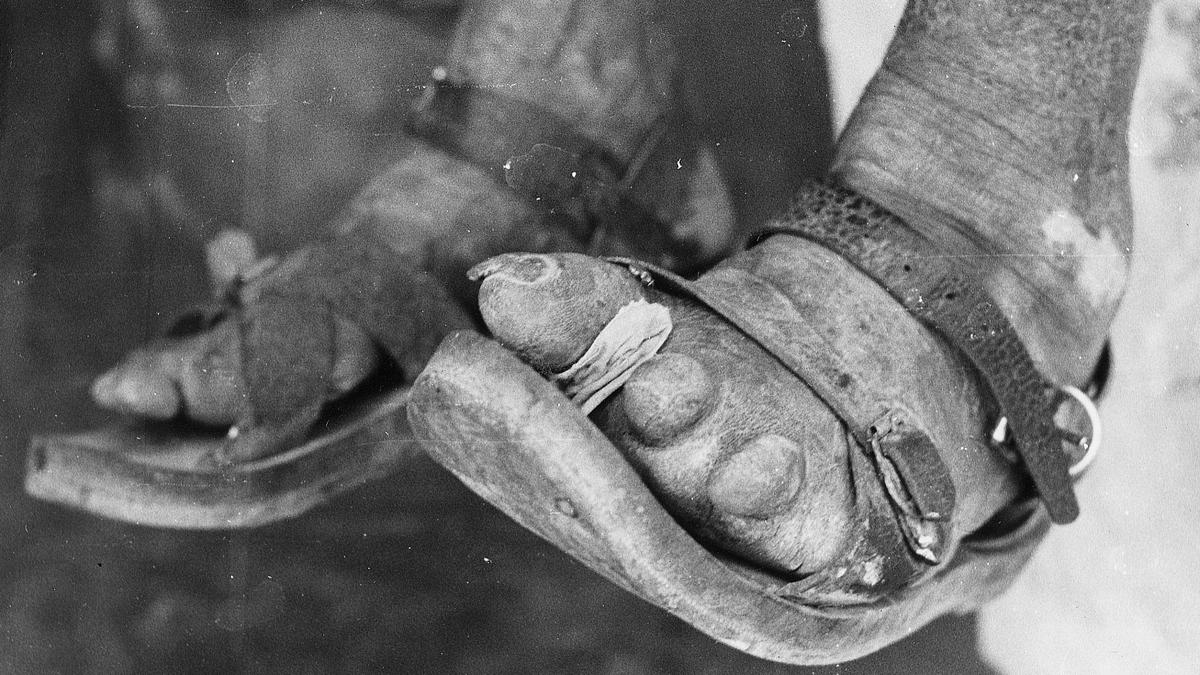
Sat Jan 31 09:35:24 UTC 2026: ### India Confronts Lingering Stigma and Transmission of Hansen’s Disease Despite Eradication Efforts
The Story:
On January 30, 2026, India observed Anti-Leprosy Day, coinciding with Mahatma Gandhi’s death anniversary, highlighting the country’s ongoing efforts to combat Hansen’s Disease (leprosy). While significant progress has been made in reducing the prevalence of the disease, with rates falling from 57.2 per 10,000 in 1981 to 0.57 in 2025, transmission persists in several states. The article emphasizes that Hansen’s Disease, caused by Mycobacterium leprae, although treatable with multidrug therapy, continues to carry significant social stigma, hindering early detection and comprehensive care.
The discovery of dapsone, initially a textile dye component, revolutionized the treatment of Hansen’s Disease. The article underscores the importance of early diagnosis and multidrug therapy in preventing resistance and effectively curing the disease. Despite the availability of effective treatment, the article highlights the fact that India still reported over 100,000 new cases in 2023, indicating persistent transmission, particularly among children, and highlighting the need for combined medical intervention with social acceptance.
Key Points:
- India observes Anti-Leprosy Day on January 30th.
- Hansen’s Disease is caused by the bacterium Mycobacterium leprae.
- Prevalence rates have drastically declined since 1981, but transmission continues in certain regions of India.
- India reported over 100,000 new cases in 2023, with a significant proportion being children.
- Dapsone, initially used in the textile industry, became a crucial drug in treating Hansen’s Disease.
- Multidrug therapy (dapsone, rifampicin, and clofazimine) is the current standard treatment.
- Revised national guidelines were introduced in April 2025 to standardize treatment and emphasize early diagnosis.
- The article emphasizes the continued stigma associated with the disease, causing social and economic hardships for those affected.
Key Takeaways:
- Despite significant progress in reducing prevalence, Hansen’s Disease remains a public health challenge in India due to ongoing transmission and social stigma.
- Early diagnosis and multidrug therapy are crucial for effective treatment and preventing resistance.
- Addressing the social stigma associated with Hansen’s Disease is essential for improving patient outcomes and promoting social inclusion.
- The repurposing of dapsone from the textile industry to medicine highlights the potential for unexpected discoveries in disease treatment.
- Continued efforts are needed to address poverty, undernutrition, and limited access to healthcare, which contribute to the persistence of the disease in vulnerable communities.
Impact Analysis:
The ongoing efforts to combat Hansen’s Disease in India have significant long-term implications. Firstly, the revised national guidelines introduced in April 2025 are likely to improve treatment outcomes by standardizing the three-drug regimen and emphasizing early diagnosis. This could lead to a further reduction in prevalence rates and prevent disabilities associated with advanced stages of the disease. Secondly, addressing the social stigma surrounding Hansen’s Disease is crucial for empowering affected individuals and communities. This requires public awareness campaigns to dispel myths and misconceptions, as well as policies that promote social inclusion and equal opportunities. Lastly, sustained investment in healthcare infrastructure and access to essential medicines is essential for achieving the goal of eliminating Hansen’s Disease in India. By prioritizing these measures, India can make significant strides in improving the health and well-being of its population and contributing to global efforts to combat neglected tropical diseases.
 First Piper