
Fri Jan 30 19:20:35 UTC 2026: ### Pakistan’s Judiciary Weakened by Amendment Amid Regional Instability, Raising Concerns in India
The Story:
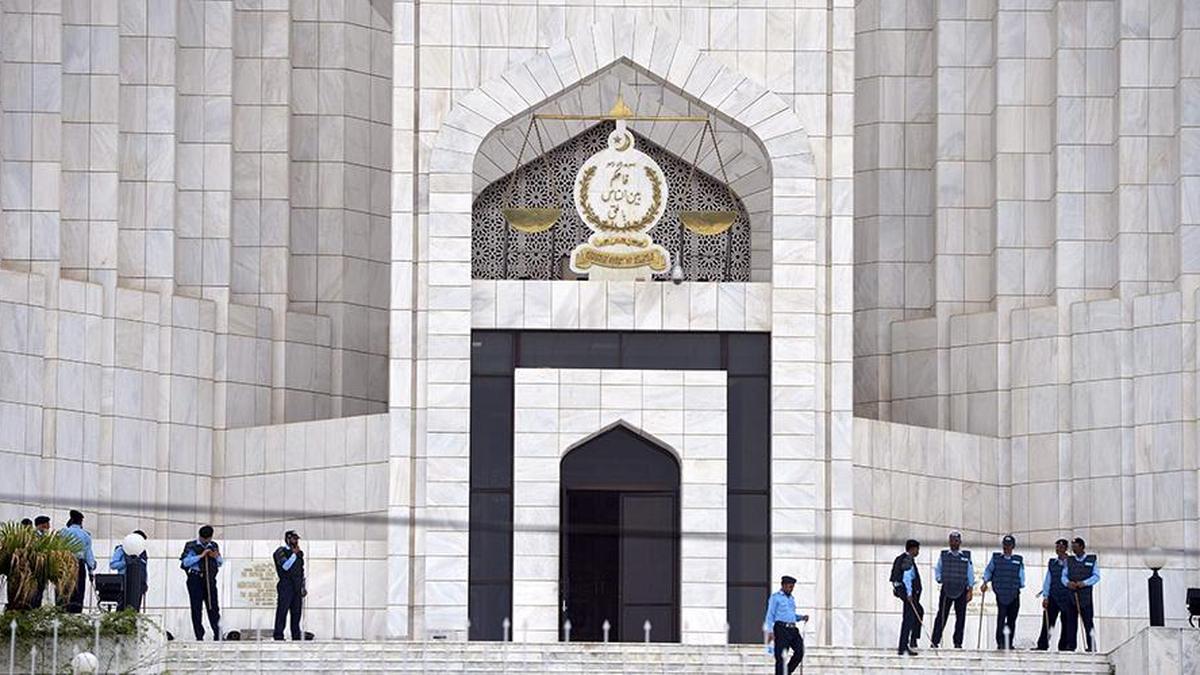
On January 31, 2026, The Hindu published an analysis of Pakistan’s 27th Amendment (PCA), passed in November 2025, which diminishes the Supreme Court’s role by transferring its original jurisdiction over constitutional matters to a newly created Federal Constitutional Court (FCC). The article argues that this move, occurring against a backdrop of regional instability in South Asia, carries cautionary lessons for India, especially concerning judicial independence and the potential for executive dominance. It highlights the importance of independent courts as guardians of constitutional principles and expresses concern over the potential for executive influence over the FCC’s composition and functioning.
Key Points:
- Pakistan’s legislature passed the 27th Amendment (PCA) between November 12 and 13, 2025, subsequently receiving presidential assent.
- The PCA transfers original jurisdiction over constitutional interpretation, fundamental rights, and federal-provincial disputes from the Supreme Court to a new Federal Constitutional Court (FCC).
- This shift weakens the Supreme Court’s position as the final guardian of the Constitution and increases its vulnerability to executive influence.
- The article draws a historical parallel to King James I‘s assertion of sovereign judicial power in 17th-century England, resisted by Sir Edward Coke, emphasizing the need for judicial independence.
- The analysis views this development within a broader regional context of political instability and institutional strain in South Asia.
Critical Analysis:
The timing of the PCA’s passage, coupled with reports of separatist attacks, military actions against terrorists, economic struggles, and cancellation of the T20 World Cup, paints a picture of a nation grappling with internal and external pressures. The political instability, security concerns, and economic challenges likely contributed to the government’s rationale for consolidating power, potentially at the expense of judicial independence. The reference to General Asim Munir in related articles suggests a power struggle or at least a significant concentration of authority within the military, which further influences this situation.
Key Takeaways:
- The PCA represents a potential weakening of judicial independence in Pakistan.
- The creation of the FCC raises concerns about executive influence over constitutional interpretation.
- This development occurs within a context of broader political instability and security challenges in South Asia.
- The article underscores the importance of independent courts as guardians of constitutional principles.
- India views these developments with caution, recognizing the potential implications for regional constitutional norms.
Impact Analysis:
The long-term impact of the PCA could be significant. If the FCC becomes susceptible to executive influence, it could erode public trust in the judiciary and undermine the rule of law in Pakistan. This could further exacerbate political instability and create opportunities for authoritarianism. The erosion of constitutional norms in Pakistan could also have ripple effects throughout South Asia, potentially influencing other countries’ approaches to governance and judicial independence. India’s concerns are warranted, as a weakened judicial system in a neighboring country could contribute to regional instability and impact its own security interests. The concentration of power and the undermining of checks and balances could lead to increased domestic unrest and cross-border tensions.
 First Piper