
Sat Jan 31 12:57:52 UTC 2026: # Escalation in Gaza: Israeli Strikes Result in High Casualties, Threatening Ceasefire
The Story:
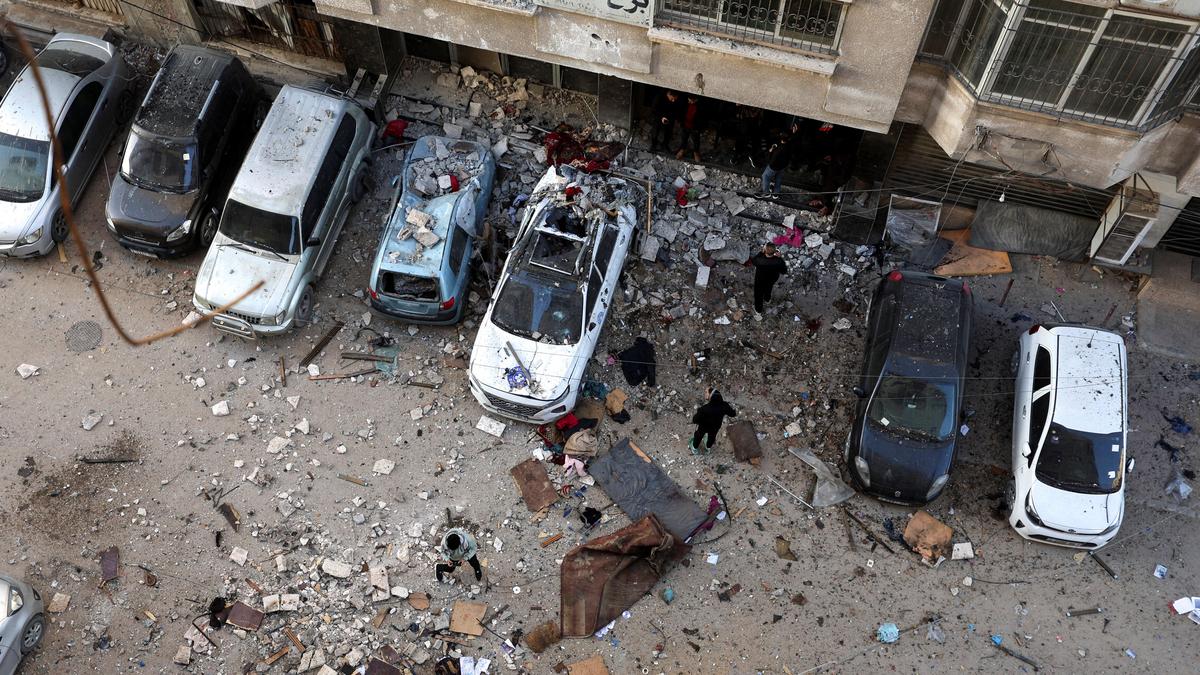
On January 31, 2026, a series of Israeli strikes in Gaza resulted in the deaths of at least 29 Palestinians, marking one of the deadliest days since the October ceasefire. The strikes targeted various locations, including a tent camp, an apartment building, and a police station. These actions followed accusations from Israel that Hamas had violated the ceasefire agreement. The escalation occurs just one day before the planned opening of the Rafah crossing with Egypt, a crucial element of the agreement aimed at ending the war.
Key Points:
- Israeli strikes killed at least 29 Palestinians in Gaza on January 31, 2026.
- Targets included a tent camp, an apartment building, and a police station.
- The strikes followed Israeli accusations of ceasefire violations by Hamas.
- The escalation comes on the eve of the Rafah crossing’s scheduled opening.
- The October ceasefire is now seriously threatened.
Critical Analysis:
The timing of the strikes, immediately preceding the Rafah crossing’s reopening, suggests a deliberate attempt to undermine the ceasefire agreement. Given the preceding news about potential US military action in the Middle East (specifically regarding Iran), and related reports about the US military’s posture in the region, one can speculate that Israel might be taking advantage of a perceived window of opportunity due to increased regional instability. The accusation of Hamas ceasefire violations could be a pretext for resuming larger-scale operations.
Key Takeaways:
- The recent Israeli strikes in Gaza significantly escalate tensions and jeopardize the existing ceasefire.
- The timing of the strikes raises questions about Israel’s commitment to the peace agreement, particularly concerning the Rafah crossing.
- The situation is highly volatile and could easily spiral back into full-scale conflict.
- The broader geopolitical context, including tensions surrounding Iran, might be influencing events in the Israel-Palestine conflict.
- The high casualty count underscores the human cost of the ongoing conflict.
Impact Analysis:
The breakdown of the ceasefire will have severe repercussions for the already fragile humanitarian situation in Gaza. The closure of the Rafah crossing would further restrict the flow of essential supplies and impede the movement of people. The escalation increases the likelihood of renewed widespread violence, displacement, and further casualties on both sides. The international community will likely face increased pressure to intervene and broker a new ceasefire agreement, a task made more difficult by the existing distrust and the potential for external actors to exacerbate the situation. The resurgence of violence in Gaza could also potentially distract from or exacerbate tensions elsewhere in the Middle East.
 First Piper