
Fri Jan 30 13:09:37 UTC 2026: ### Iran Signals Readiness for Nuclear Talks, But Demands “Equal Footing”
The Story:
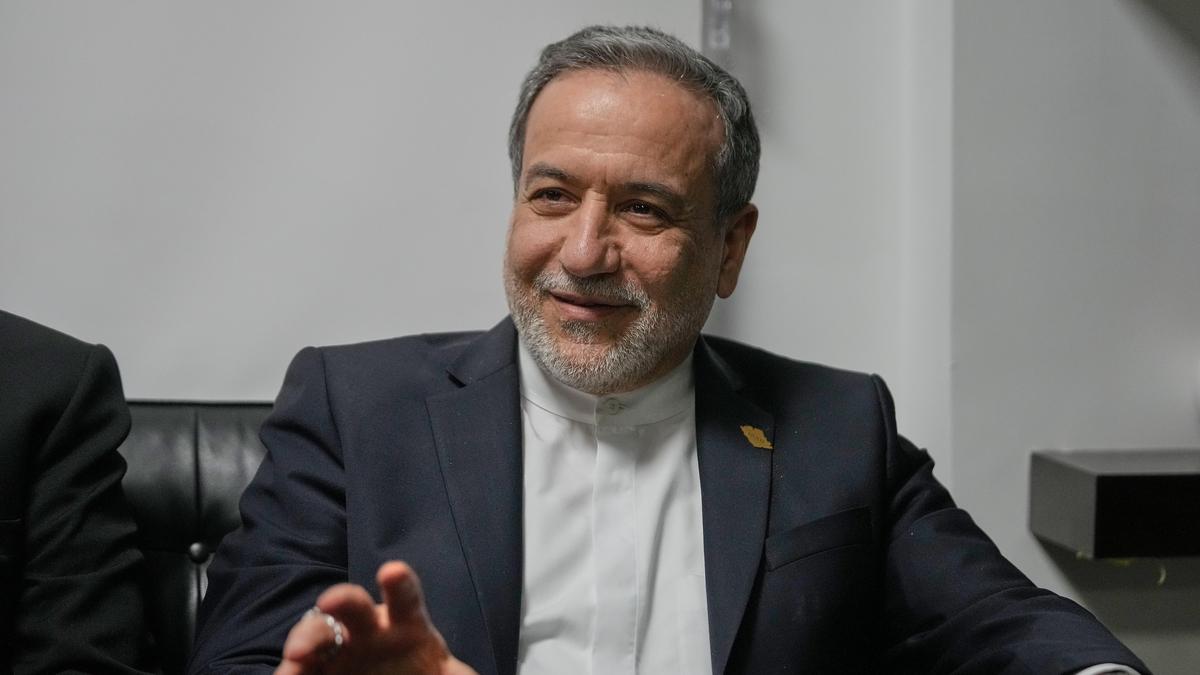
Iranian Foreign Minister Abbas Araghchi stated on January 30, 2026, that Iran is open to resuming nuclear talks with the United States, but only under conditions of “fair and just negotiations” conducted on an “equal footing.” Speaking after talks with his Turkish counterpart Hakan Fidan in Istanbul, Araghchi emphasized the need for preparatory work regarding the form, subject, and venue of any future discussions. He also reiterated Iran’s long-standing claim that it has “never sought to obtain nuclear weapons.”
The statement comes amid heightened tensions, as indicated by other news events, and follows previous assertions that external forces, including former US President Donald Trump, have contributed to regional instability.
Key Points:
- Iran is willing to resume nuclear talks with the U.S.
- Iran demands “fair and just negotiations” on an “equal footing.”
- Preparations are required regarding the form, subject, and venue of any potential talks.
- Abbas Araghchi discussed the matter with Turkey’s Hakan Fidan in Istanbul.
- Iran maintains it has “never sought to obtain nuclear weapons.”
Critical Analysis:
The Iranian Foreign Minister’s statement, while seemingly conciliatory, is carefully worded. The insistence on “fair and just negotiations” and an “equal footing” suggests Iran seeks to negotiate from a position of strength, potentially leveraging its nuclear capabilities, as they might exist at present. The timing of the announcement, amidst reported Iranian naval drills near US warships, could be interpreted as a tactical maneuver to strengthen its bargaining position. The reference to external tensions stirred by figures like Donald Trump indicates a desire to frame the current situation within a narrative of external interference rather than internal policy.
Key Takeaways:
- Iran is publicly signaling a willingness to engage in dialogue with the U.S., likely driven by economic and political considerations.
- The demand for an “equal footing” suggests Iran aims to secure significant concessions in any future agreement, potentially related to sanctions relief or recognition of its regional influence.
- Turkey’s role as a mediator is significant, highlighting its increasing diplomatic influence in the region.
- The simultaneous announcement of naval drills raises questions about Iran’s true intentions and whether its diplomatic overtures are genuine or strategically motivated.
- The ongoing political narrative blaming external forces suggests a defensive posture aimed at justifying Iran’s actions and potentially garnering domestic support.
Impact Analysis:
This situation could unfold in several ways. Successful negotiations could lead to a revitalized nuclear deal, easing tensions in the Middle East and opening avenues for economic cooperation. However, a breakdown in talks could escalate tensions, potentially leading to military confrontation, especially given the concurrent naval exercises. The future impact hinges on the willingness of both Iran and the U.S. to compromise and build trust. The role of mediating parties like Turkey will also prove critical in shaping the outcome. A failure in diplomacy could further destabilize the region, triggering a renewed arms race and increasing the risk of conflict.
 First Piper