
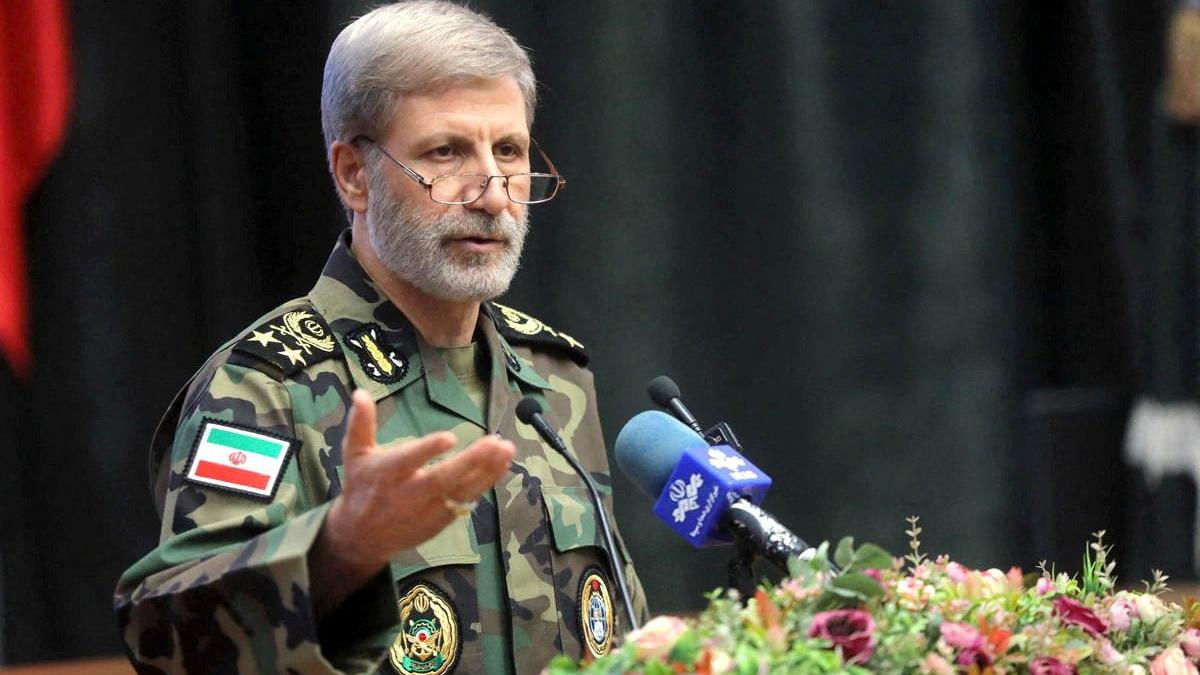
Sat Jan 31 09:44:39 UTC 2026: # Iran Warns U.S. and Israel Amid Heightened Military Tensions in the Gulf
The Story: On January 31, 2026, Iranian Army chief Amir Hatami issued a stern warning to the United States and Israel, citing heightened military deployments in the Gulf and placing Iranian forces on high alert. Hatami stated that any “mistake” by the “enemy” would endanger their own security, regional security, and the “Zionist regime.” He also asserted that Iran’s nuclear technology is indelible, despite past comments from U.S. President Donald Trump suggesting Iran would seek a deal to avoid U.S. strikes.
Key Points:
- Iranian Army chief Amir Hatami warned the U.S. and Israel against an attack.
- Iran’s armed forces are reportedly at “full defensive and military readiness.”
- Hatami stated that Iran’s nuclear technology “cannot be eliminated.”
- The warning follows heavy U.S. military deployments in the Gulf.
- U.S. President Donald Trump had previously suggested Iran would seek a deal to avoid U.S. strikes.
Critical Analysis:
The Iranian Army chief’s statement, while a common occurrence with heightened tensions, is particularly significant given the immediate context. The concurrent reports of President Pezeshkian accusing Trump, Netanyahu, and Europe of stirring tensions during recent protests in Iran, coupled with planned Iranian military drills in the Strait of Hormuz, paints a picture of a nation feeling increasingly cornered and provoked. This confluence of events suggests a deliberate Iranian strategy of projecting strength and resolve in the face of perceived external threats. The reference to the “Zionist regime” underscores the deeply ingrained ideological component of the conflict.
Key Takeaways:
- Tensions between Iran, the U.S., and Israel remain critically high in early 2026.
- Iran is signaling its readiness to defend itself and its interests in the region.
- The issue of Iran’s nuclear technology remains a major point of contention.
- Domestic unrest in Iran is being attributed to external influence, exacerbating the situation.
- Military posturing by both sides increases the risk of miscalculation and escalation.
Impact Analysis:
This event series has significant long-term implications. The continued tensions in the Gulf could disrupt global oil supplies, impacting economies worldwide. The possibility of military conflict remains a constant threat, with potentially devastating consequences for the region and beyond. The unresolved issue of Iran’s nuclear program will continue to be a major source of instability. Moreover, the rhetoric used by both sides makes de-escalation difficult, perpetuating a cycle of distrust and hostility. The situation requires careful diplomatic management to avoid further escalation.
 First Piper