
Thu Jan 29 15:49:52 UTC 2026: Headline: EU Poised to Sanction Iran’s Revolutionary Guard Amidst Escalating Tensions
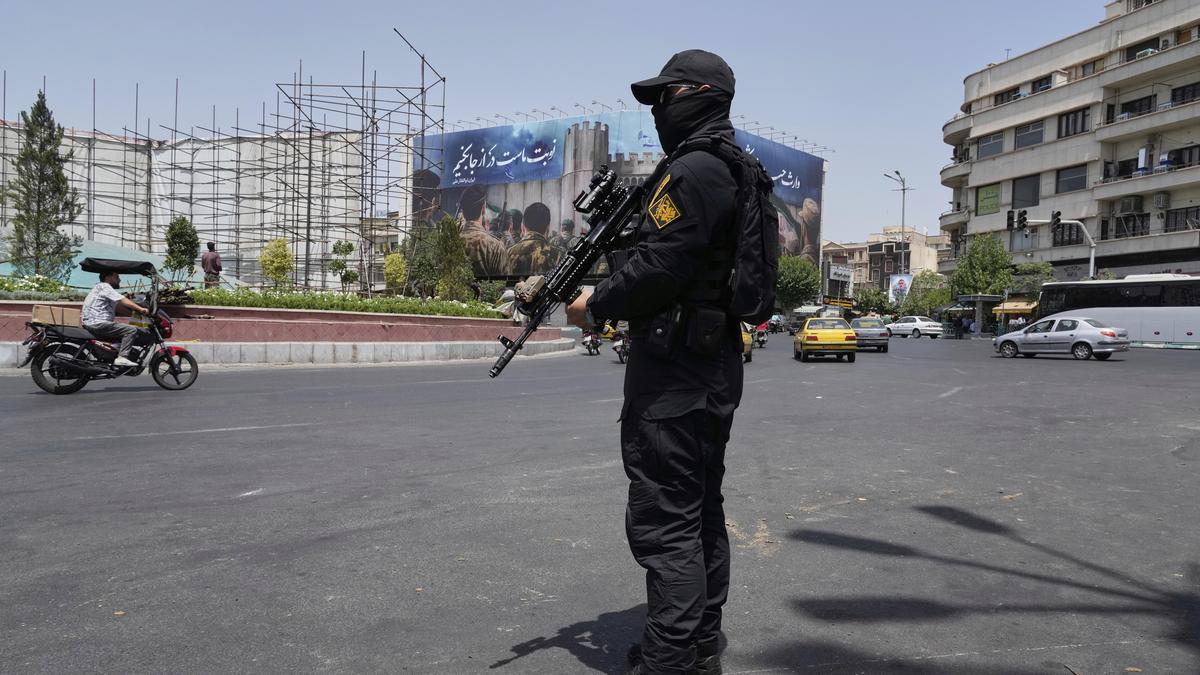
The Story: On January 29, 2026, the European Union signaled its likely intention to sanction Iran’s paramilitary Revolutionary Guard due to Tehran’s crackdown on nationwide protests. This move comes amid heightened tensions between Iran and the United States, with President Donald Trump threatening potential military action. The EU’s decision, while long considered, aims to further pressure Iran, whose economy is already struggling under existing international sanctions and a plummeting currency.
Key Points:
- The EU is likely to sanction Iran’s paramilitary Revolutionary Guard over the crackdown on protests.
- The decision follows threats from U.S. President Donald Trump regarding potential military strikes against Iran.
- Over 6,373 people have been killed in the protests, according to activists.
- The Iranian rial currency has fallen to a record low of 1.6 million to $1.
- The EU requires unanimity across its 27 nations to impose sanctions.
- France initially objected due to concerns for French citizens detained in Iran but has now signaled its support.
Critical Analysis: The EU’s decision to sanction the Revolutionary Guard, after initial hesitation from France, underscores a growing consensus within the international community regarding Iran’s internal repression. This shift in European policy, combined with the hardline stance of the Trump administration, significantly ratchets up pressure on the Iranian regime. The timing is crucial, as Iran’s economy is already weakened.
Key Takeaways:
- The EU is aligning more closely with the U.S. in its approach to Iran.
- Iran faces increasing international isolation due to its internal policies and threats of regional escalation.
- Economic pressure on Iran is intensifying, potentially destabilizing the regime.
- The move could further endanger French citizens detained in Iran, as well as diplomatic missions.
Impact Analysis: This series of events carries significant long-term implications. The increased economic and political pressure on Iran could lead to several outcomes:
1. Regime Change: While unlikely in the short term, sustained pressure could eventually destabilize the current Iranian government.
2. Escalated Conflict: Faced with mounting internal and external pressure, Iran might lash out militarily, particularly against U.S. or allied assets in the region.
3. Nuclear Proliferation: A desperate Iran might accelerate its pursuit of nuclear weapons, further destabilizing the region.
4. Increased Human Rights Abuses: Facing increased international scrutiny, Iran may increase human rights abuses in the country to quell dissent
These events set the stage for a volatile period in the Middle East, with the potential for significant geopolitical shifts.
 First Piper