
Fri Jan 30 05:42:40 UTC 2026: # India’s Space Program at a Crossroads: Ambition vs. Fiscal Reality
The Story:
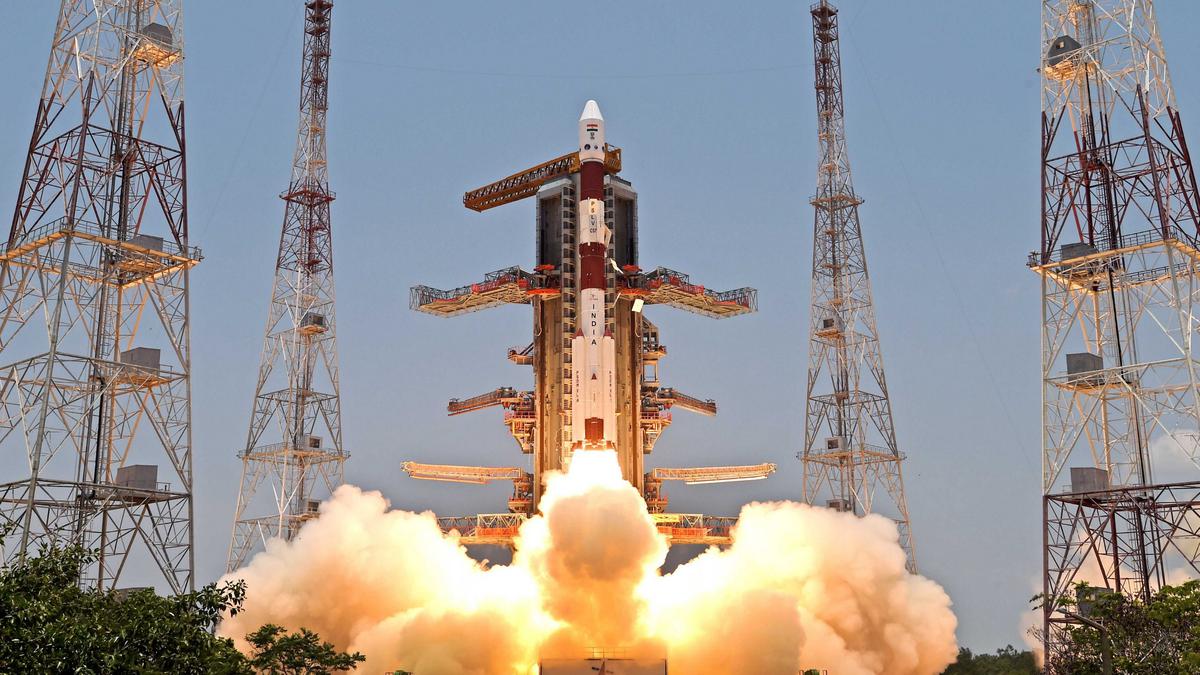
India’s Department of Space (DoS) is navigating a period of strategic volatility, as highlighted in the January 30, 2026 Economic Survey. While the period between 2015 and 2024 saw India launching 393 foreign satellites for 34 countries, generating over $143 million and €272 million, the Survey indicates that the Department’s internal structural issues remain unresolved. Industry demands for a historic budget hike to support a projected $44 billion space economy over the next decade clash with the DoS’s inability to fully utilize existing allocations, launch failures, and increasing operational costs consuming the R&D budget.
The government’s strategy relies heavily on NewSpace India, Ltd. (NSIL), ISRO’s commercial arm, to fill the capital gap, with its revenue surging from ₹322 crore in FY20 to ₹2,940 crore in FY23. However, the private sector is pushing for greater government support through increased budgetary allocations, infrastructure status, and guaranteed procurement contracts. The article suggests the gap between industry demands and the Department of Space’s capabilities has never been wider, necessitating operational consolidation, efficient infrastructure spending, and a clear transition plan for shifting missions to the private sector.
Key Points:
- The Economic Survey 2025-26 highlights India launched 393 foreign satellites between 2015 and 2024, earning significant revenue.
- Industry is advocating for a major budget increase to fuel a projected $44 billion space economy.
- Budget Estimates (BE) for the Department of Space have seen minimal growth, effectively shrinking when adjusted for inflation between FY22 and FY26.
- Capital expenses have decreased from ₹8,228 crore in FY22 to ₹6,103 crore in FY26, while revenue expenditure has increased.
- NSIL’s revenue increased significantly from ₹322 crore in FY20 to ₹2,940 crore in FY23, playing an important role in commerical activities.
- SIA-India seeks a budget allocation of ₹18,000 crore for FY27, advocating for a “National Satellite Connectivity Mission”.
- ISpA requests the space sector be classified as “critical infrastructure” and wants a policy mandating the government procure 50% of space-based services and hardware from the domestic private sector.
Critical Analysis:
The historical context provided does not directly impact the space program. However, the context shows the Economic Survey covers a range of issues including the price of gold, and the farmers worries about economic colonization through an India-EU FTA. The fact that farmers are worried about India-EU FTA economic colonization may become a problem because the EU will be wanting Indian government to purchase the services from commercial sector, and that might be a conflict of interest.
Key Takeaways:
- India’s space program is facing a funding crunch despite successes in commercial satellite launches.
- The government is relying on commercialization through NSIL to bridge the funding gap.
- Private sector demands for government support significantly exceed current budget levels and Department of Space capabilities.
- Launch failures and internal inefficiencies are undermining confidence in ISRO’s launch capabilities.
- The Department of Space needs a clear roadmap for shifting missions to the private sector and improving its own efficiency.
Impact Analysis:
The outcome of the funding debate and the Department of Space’s ability to adapt to the evolving landscape will significantly impact India’s position in the global space market. Failure to address these challenges could result in a loss of competitiveness, delays in ambitious projects like human spaceflight, and a missed opportunity to capitalize on the growing space economy. Successfully navigating this transition could position India as a major player, fostering innovation and economic growth. The ongoing development and allocation of resources within the Indian space program will determine the degree to which the private sector can mature and whether ISRO can modernize its internal processes.
 First Piper