
Sat Jan 31 12:58:38 UTC 2026: # Tenkasi Mining Crisis: Public Anger Forces Action Amidst Allegations of Illicit Mineral Extraction
The Story:
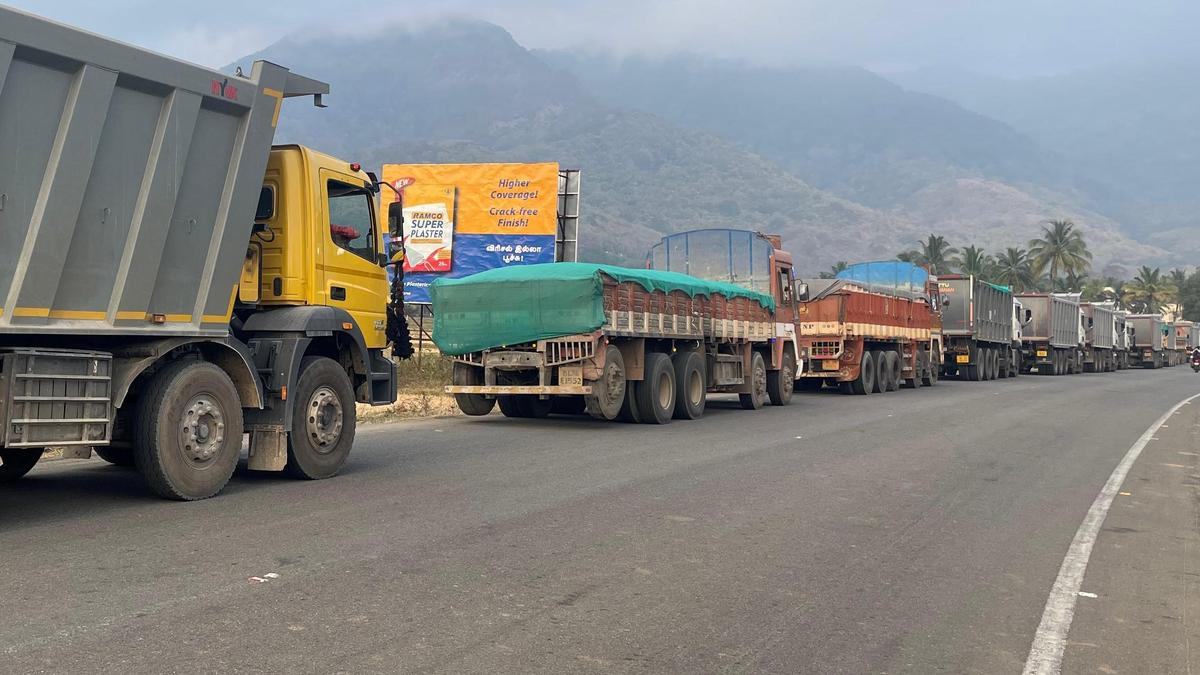
Growing public outrage and conservationist concerns over alleged illegal mineral mining in the Tenkasi district of Tamil Nadu, India, have compelled the Department of Mines to convene a meeting with stakeholders. The district, home to numerous stone quarries, has reportedly witnessed rampant unlawful extraction of stones, blue metal, M-sand, and quarry dust destined for neighboring Kerala. This meeting, prompted by a recent petrol bomb attack on a mineral-laden lorry, aims to address the complaints and find lasting solutions to regulate mining and transportation practices. The Madras High Court is also involved, directing officials to use modern surveying techniques to determine the full extent of illegal mining in the area.
Key Points:
* The Department of Mines is organizing a meeting on February 2, 2026, at the Collectorate in Tenkasi to address public complaints regarding mineral mining and transportation.
* The meeting includes Tahsildars, the Regional Transport Officer, quarry owners, stone crusher owners, and lorry owners’ associations.
* The Madras High Court has directed officials to conduct drone surveys to assess the amount of illegal mining.
* A petrol bomb attack on a Kerala-bound lorry carrying minerals triggered the Department of Mines’ action.
* ‘Iyarkai Vala Paathukaapu Sangam’ (Nature Resources Protection Association), an apolitical body, has filed cases in court against illegal mining.
* Public anger stems from the alleged plundering of Tenkasi’s mineral resources and damage to roads caused by overloaded trucks.
* Police in Kanniyakumari recently registered cases against 115 Kerala-bound vehicles for overloading minerals.
* The ‘Iyarkai Vala Paathukaappu Sangam’ demands GPS tracking for all mineral-carrying vehicles and stricter enforcement of mining regulations.
Critical Analysis:
The timing of the article in conjunction with the related historical context is notable. While the provided historical context is unrelated to the Indian mining situation, the fact that multiple departments across various countries are facing scrutiny simultaneously suggests a global trend of increased governmental oversight and potential crises of public trust. In India, the involvement of the CM’s son and DCM’s brother mentioned in a separate item could further exacerbate distrust and fuel public anger toward the mining operations.
Key Takeaways:
* Public activism and legal challenges can pressure government departments to address environmental concerns related to mining.
* Illegal mining and transportation practices, fueled by the high demand for minerals in neighboring regions, are a significant environmental and social problem.
* Enforcement of existing regulations, including weight restrictions and operating hours, is lacking and contributes to public frustration.
* The use of technology, such as drone surveys and GPS tracking, is being considered to improve monitoring and control over mining activities.
* There is a growing tension between economic interests driving mineral extraction and the need to protect local resources and infrastructure.
Impact Analysis:
This event series marks a critical turning point in the regulation of mineral mining in the Tenkasi district. The upcoming meeting on February 2, 2026, is pivotal, as it could lead to the implementation of stricter mining regulations, better enforcement mechanisms, and increased transparency. If the grievances of the public and conservationists are adequately addressed, it could serve as a model for other regions facing similar challenges. However, if the meeting fails to produce concrete results, it could lead to further escalation of public unrest and legal battles, potentially disrupting mining operations and impacting the local economy. Long term, the integration of technology like drone surveys and GPS tracking could become standard practice across India, enabling more effective monitoring of mining activities and reducing the potential for illegal extraction. The incident’s impact on the political landscape of the region remains to be seen but could potentially galvanize support for political movements focused on environmental protection.
 First Piper