
Sat Jan 31 13:41:50 UTC 2026: # Indonesia Landslide Death Toll Climbs to 53 Amid Ongoing Search Efforts
The Story:
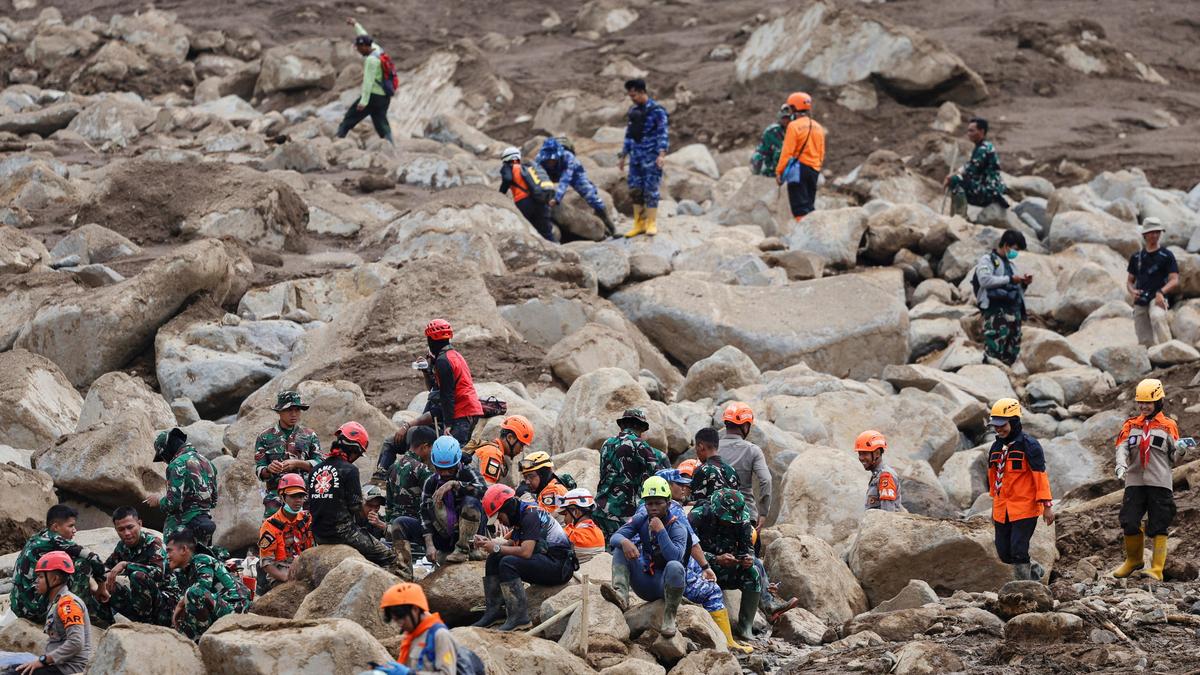
A devastating landslip in Pasirlangu village, West Bandung regency, Indonesia, triggered by intense rainfall, has claimed the lives of at least 53 people as of January 31, 2026. The disaster, which occurred a week prior, damaged over 50 houses and displaced approximately 650 residents. Rescue teams, including military, police, and volunteers, are continuing the search for the remaining 10 missing individuals. The Indonesian government has highlighted the role of deforestation in exacerbating the impact of such natural disasters, referencing similar events on Sumatra Island in late 2025.
Key Points:
- The landslip occurred in Pasirlangu village, West Bandung regency, Java, Indonesia.
- As of January 31, 2026, the death toll stood at 53, with 10 people still missing.
- More than 50 houses were damaged, displacing around 650 people.
- The Indonesian navy reported that 23 personnel training in the area were caught in the landslip.
- The government attributed the severity of the disaster, in part, to forest loss, which reduces the land’s capacity to absorb rainfall and stabilize the ground.
Critical Analysis:
The provided related historical context is irrelevant to the landslide story. It contains miscellaneous reports, which do not contribute to the reasons behind the landslide.
Key Takeaways:
- Indonesia faces significant challenges from natural disasters, particularly landslides and floods, during the rainy season.
- Deforestation is a contributing factor to the increased frequency and severity of these events.
- Search and rescue operations are hampered by difficult conditions, but improved weather is aiding the current efforts.
- The Indonesian government must address deforestation and implement better land management practices to mitigate future disasters.
- The frequency of disasters and death tolls are increasing.
Impact Analysis:
The landslip and similar disasters across the Indonesian archipelago underscore the urgent need for comprehensive disaster mitigation strategies. This includes:
- Reforestation initiatives: To restore natural barriers against landslips and flooding.
- Improved land-use planning: To prevent construction in high-risk areas.
- Early warning systems: To provide timely alerts and facilitate evacuations.
- Community education programs: To raise awareness about disaster preparedness.
- Increased investment in disaster response infrastructure: To enhance search and rescue capabilities and provide adequate support to affected communities. Failure to address these issues will likely lead to more frequent and devastating disasters in the future, straining resources and hindering sustainable development.
 First Piper