
Fri Jan 30 12:22:34 UTC 2026: # Supreme Court Stays UGC Equity Regulations, Citing Potential for Misuse
The Story:
The Supreme Court of India has stayed the 2026 University Grants Commission (Promotion of Equity in Higher Education Institutions) Regulations, following a petition criticizing the regulations for focusing solely on caste discrimination against Scheduled Castes (SC), Scheduled Tribes (ST), and Other Backward Classes (OBC). Petitioners argued that the regulations wrongly presume caste discrimination to be “uni-directional” and could be misused to file false complaints against upper-caste individuals. The stay was granted on January 29, 2026.
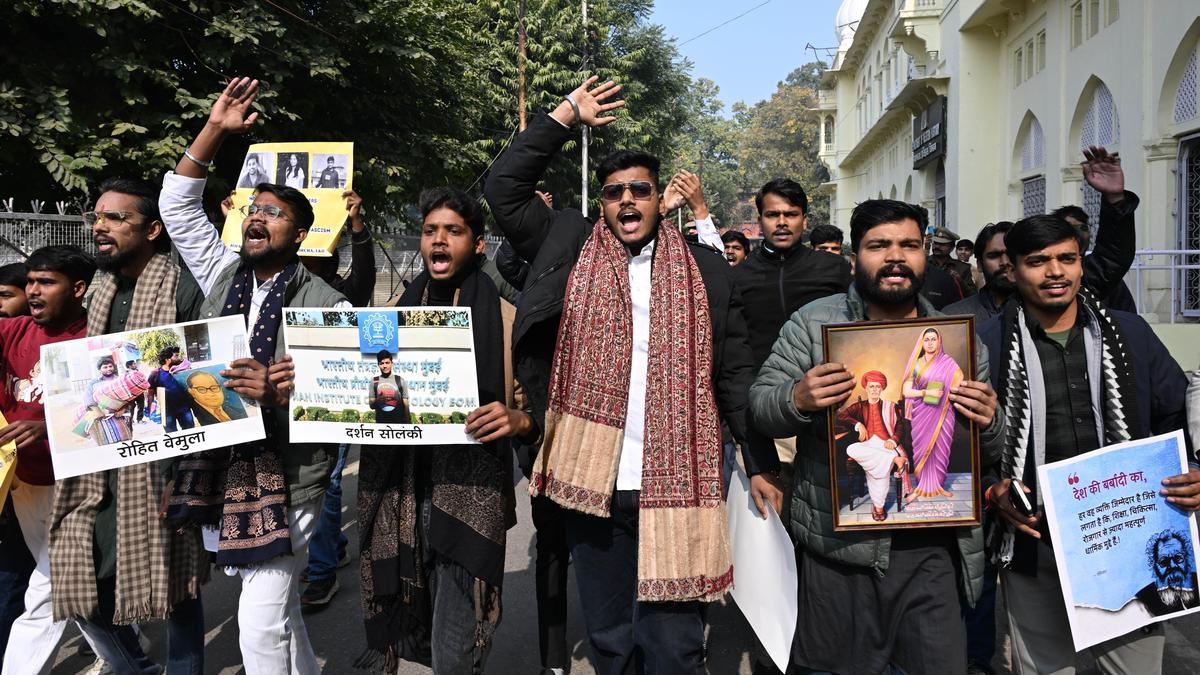
The regulations were spurred by petitions from the mothers of Rohith Vemula and Payal Tadvi, Dalit students who tragically died by suicide in 2016 and 2019 respectively, due to alleged caste-based discrimination. While the court acknowledged the historical oppression faced by marginalized communities as enshrined in Article 15 of the Constitution, it also expressed concerns about the potential for misuse and whether the definition of caste-based discrimination in the regulations aligns with the goal of promoting equity and inclusion.
Key Points:
* The Supreme Court stayed the 2026 UGC Equity Regulations on January 29, 2026.
* The regulations are based on the premise of preventing caste discrimination against SC/ST/OBC students.
* Petitioners argued the regulations could be misused and that upper-caste individuals could not seek remedy under this law if they were to be discriminated against.
* The regulations were initiated following the suicides of Rohith Vemula (2016) and Payal Tadvi (2019) due to alleged caste discrimination.
* The Court is questioning whether the definition of caste-based discrimination in the regulations reasonably aligns with the objective of promoting “full equity and inclusion”.
* Senior advocate Indira Jaising and advocate Prasanna S stated that 115 students took their own lives between 2004-2024, many of them belonging to Dalit communities.
* The 2007 Thorat Committee report on caste prejudice at AIIMS, Delhi, was cited as evidence of institutional discrimination faced by SC/ST students.
Key Takeaways:
* The Supreme Court’s stay reflects a complex balancing act between addressing historical injustices against marginalized communities and ensuring fairness and preventing misuse of regulations.
* The case highlights the persistent issue of caste discrimination in higher education institutions in India, even decades after constitutional safeguards were put in place.
* The court’s focus on the potential for misuse suggests a concern about the implementation and practical effects of the regulations.
* The decision underscores the need for a nuanced approach to addressing caste-based discrimination that considers all potential victims and avoids unintended consequences.
* The reference to Article 15 of the Constitution affirms the State’s obligation to prevent caste-based discrimination.
Impact Analysis:
This court decision casts a shadow of doubt on affirmative action policies and policies that were specifically designed to address discrimination against marginalized groups. The impact of this stay will likely be felt across higher education institutions, prompting a re-evaluation of existing equity measures. The ruling will also prompt policymakers and academics to seek alternate methods of providing marginalized groups with equity in the higher education system. If the regulations are ultimately struck down or significantly altered, it could hinder efforts to address caste discrimination in higher education and potentially exacerbate existing inequalities, making this case a key battleground in India’s ongoing struggle for social justice and equality.
 First Piper