
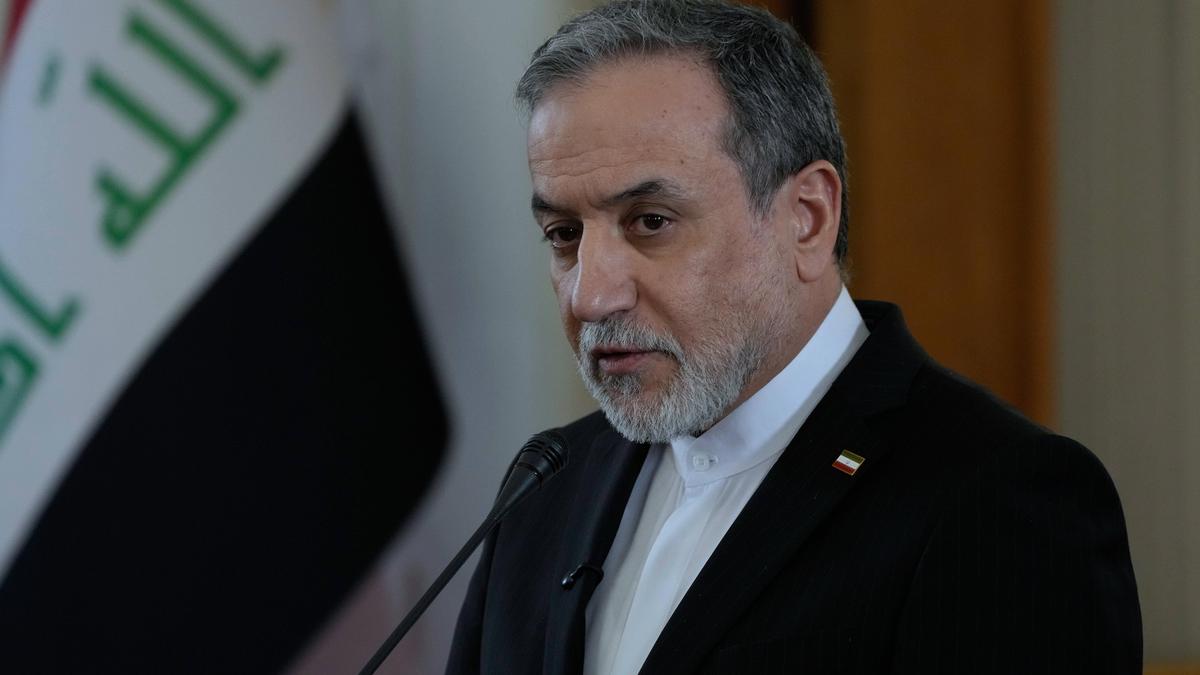
Thu Jan 29 14:22:47 UTC 2026: ### Iran and U.S. Trade Threats Amid Stalled Nuclear Talks
The Story:
Tensions between Iran and the United States escalated on January 29, 2026, as both nations traded warnings amid stalled negotiations over Iran’s nuclear program. The article reveals a standoff where U.S. President Donald Trump demands Iran negotiate a new nuclear deal under threat of military action, while Iranian officials assert their readiness to respond to any aggression with unprecedented force, targeting U.S. allies in the region, including Tel Aviv. The backdrop includes a prior Israeli-U.S. attack on Iran’s nuclear facilities in June 2025 and a shift in U.S. focus back to the nuclear issue after dealing with Iranian protests.
Key Points:
* U.S. President Donald Trump warns Iran time is running out to negotiate a new nuclear deal.
* Iran’s Foreign Minister Abbas Araghchi says Iran is ready for a “fair and equitable” deal but rejects coercion.
* Iran vows an “unprecedented” response to any aggression, targeting “all those supporting the aggressor,” including Tel Aviv.
* Ali Shamkhani, secretary of Iran’s Supreme National Security Council, states any U.S. military action will be considered a declaration of war.
* CNN reports that Mr. Trump is considering a “major new strike” on Iran, potentially targeting leadership, nuclear, military, and government institutions.
* Iran’s Parliament Speaker Mohammad-Bagher Ghalibaf states Tehran is open to “genuine” dialogue, but not under threat of war.
Critical Analysis:
The timing of these escalating threats is noteworthy. The related historical context shows a surprise announcement from Donald Trump triggered a steep precious metals sell-off on January 30, 2026. Coupled with the warning about the U.S. dollar as Bitcoin price drops on January 29, 2026, it suggests a possible motivation for Trump to distract from domestic economic issues by escalating tensions with Iran. Furthermore, the Wall Street downturn due to soaring AI budgets from Big Tech might exacerbate the situation, making a foreign policy distraction even more appealing.
Key Takeaways:
* The threat of military action by both the U.S. and Iran is significantly elevated, increasing the risk of a regional conflict.
* The breakdown in negotiations indicates a fundamental disagreement on the terms of a nuclear deal, with Iran unwilling to negotiate under pressure.
* The economic context, particularly the precious metals sell-off and concerns about the U.S. dollar, may be influencing U.S. foreign policy decisions.
* Iran’s strategy involves deterring aggression by threatening severe retaliation against U.S. allies, aiming to raise the stakes for any potential military action.
Impact Analysis:
The ongoing tensions between the U.S. and Iran have the potential for far-reaching consequences. A military conflict could destabilize the Middle East, disrupt global oil supplies, and draw in other regional powers. The failure to reach a nuclear agreement could lead to Iran pursuing nuclear weapons, triggering a regional arms race. Moreover, the economic implications of a conflict or continued instability in the region could have significant global repercussions. The heightened tensions also create a precarious environment for diplomatic efforts, making de-escalation increasingly challenging.
 First Piper