
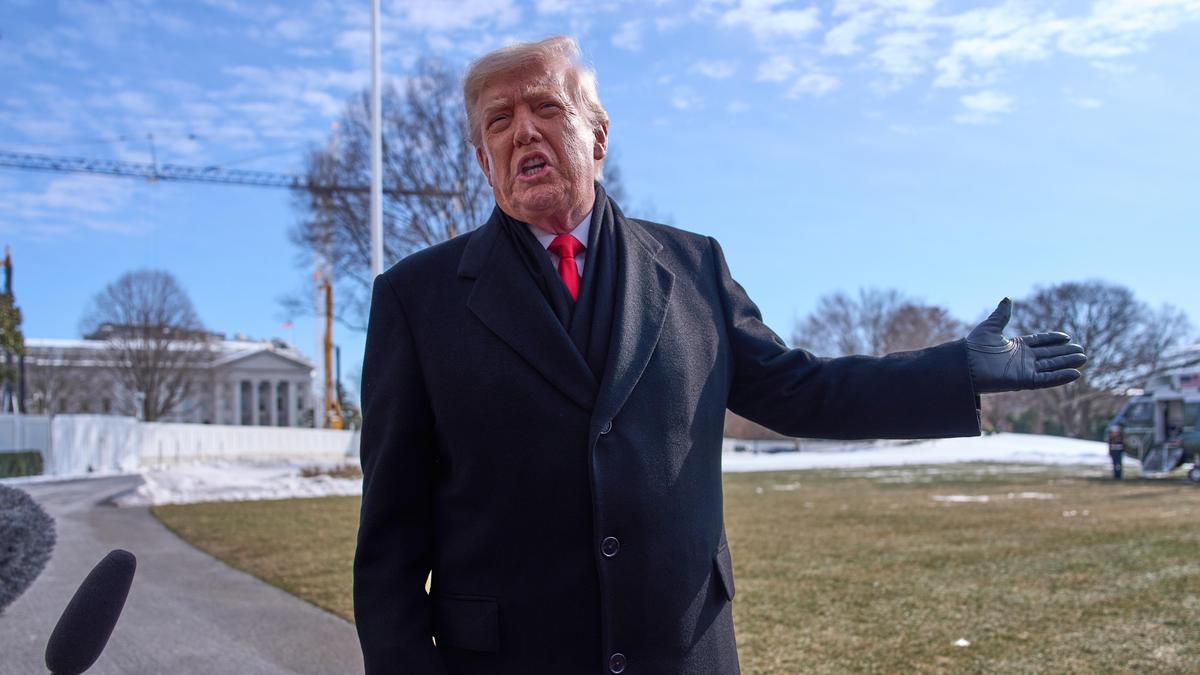
Thu Jan 29 03:04:36 UTC 2026: Headline: Trump Threatens Military Action Against Iran Amid Nuclear Deal Stalemate
The Story:
On January 28, 2026, U.S. President Donald Trump issued a stark warning to Iran, declaring that a “massive armada” was en route and ready to act with “speed and violence” if necessary. He reiterated the demand for Iran to negotiate a “fair and equitable deal” regarding its nuclear program, emphasizing “NO NUCLEAR WEAPONS.” This escalation follows a series of aggressive actions, including the abduction of Venezuelan President Nicolas Maduro on January 3, 2026, and threats to intervene in Iranian anti-government protests sparked by economic woes. The U.S. previously conducted a strike on Iranian nuclear facilities on June 22, 2025, an event Trump referred to as “Operation Midnight Hammer.”
Key Points:
- President Trump announced a “massive armada” is heading to Iran.
- The U.S. is demanding Iran negotiate a nuclear deal.
- The U.S. abducted Venezuelan President Nicolas Maduro on January 3, 2026.
- Trump threatened military response if Iran killed protesters, urging them to “seize their institutions.”
- Trump referenced “Operation Midnight Hammer,” a strike on Iran’s nuclear facilities on June 22, 2025.
- Iran’s mission to the U.N. warned of retaliation “like never before” if attacked, citing past U.S. failures in Afghanistan and Iraq.
- Israeli intelligence (Mossad) claimed agents were “in the field” during Iranian protests.
Critical Analysis:
The news article, when coupled with the headlines “US-Iran tensions soar: What do both sides want?” and “China warns against US ‘military adventurism’ as Iran tensions escalate”, indicates a rapidly deteriorating geopolitical landscape. Trump’s escalating rhetoric and military posturing suggest a strategy of coercion aimed at forcing Iran back to the negotiating table. Simultaneously, internal unrest in Iran provides a pretext for external intervention. The mention of Mossad’s presence hints at coordinated efforts to destabilize the Iranian regime. China’s warning highlights the international concern regarding the potential consequences of U.S. military action.
Key Takeaways:
- U.S.-Iran relations are at a critical juncture, with a high risk of military conflict.
- The U.S. is employing a strategy of maximum pressure, combining military threats, economic sanctions, and support for internal opposition.
- The involvement of external actors, such as Israel, exacerbates the crisis.
- International concern is growing over potential U.S. military action.
- The outcome of this crisis will have significant implications for regional stability and global security.
Impact Analysis:
The escalating tensions between the U.S. and Iran have far-reaching implications. A military conflict could destabilize the Middle East, disrupting global energy supplies and triggering a broader regional war. The abduction of President Maduro sets a dangerous precedent for international relations, potentially encouraging similar actions against other adversarial leaders. The situation also strains relations between the U.S. and other major powers, such as China, who view U.S. military actions as destabilizing. The long-term impact could include a reshaping of the geopolitical landscape, with increased polarization and a potential shift in global power dynamics. The Lockheed Martin forecast of “Upbeat 2026 Profit, Revenue Amid Rising Geopolitical Tensions” directly reflects the economic incentives at play, indicating a continued and likely escalation of conflict.
 First Piper