
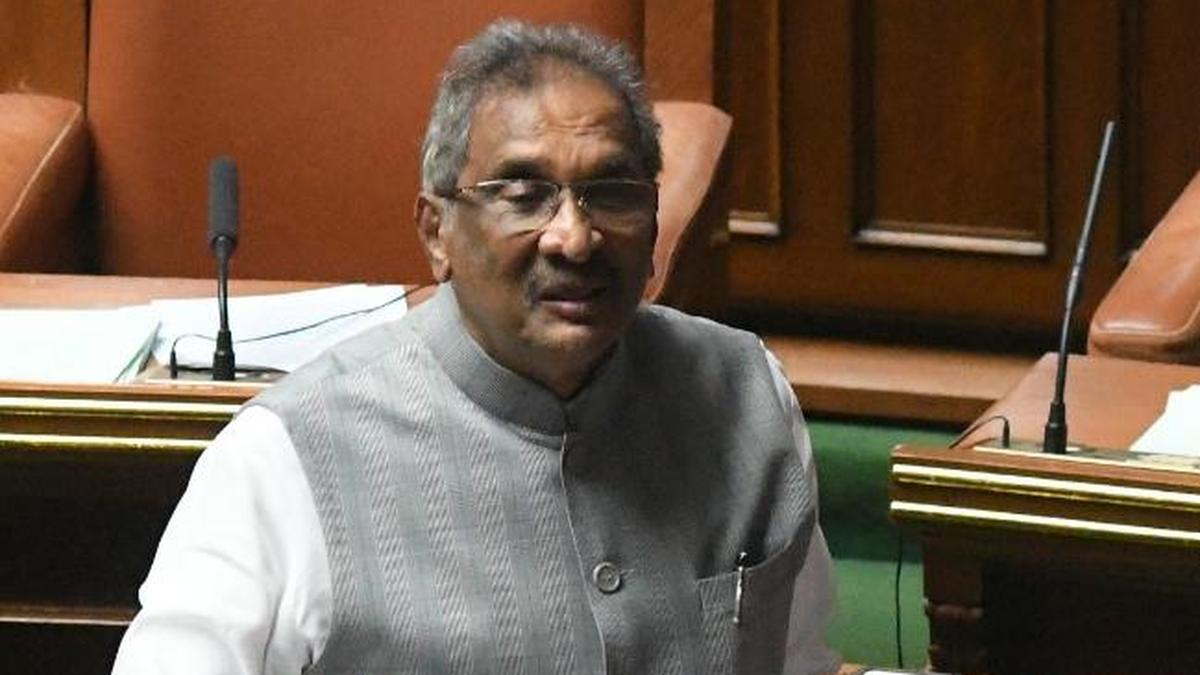
Thu Jan 29 12:20:40 UTC 2026: # Karnataka Energy Minister Denies Resignation Amidst Interference Allegations
The Story:
Karnataka’s Energy Minister K.J. George publicly dismissed rumours of his resignation on January 29, 2026, following media reports suggesting he was upset over alleged interference in his department by Chief Minister Siddaramaiah’s son, Yathindra, who is a Member of the Legislative Council (MLC). The Chief Minister also denied that Mr. George had resigned. The issue was raised in the Legislative Assembly by BJP member V. Sunil Kumar, prompting Mr. George to reiterate that he enjoys the Chief Minister’s confidence and remains in his position.
Key Points:
- Rumours of Energy Minister K.J. George’s resignation circulated due to alleged interference by Yathindra, the Chief Minister’s son.
- Chief Minister Siddaramaiah clarified that K.J. George had not resigned.
- The issue was brought up in the Legislative Assembly by BJP member V. Sunil Kumar.
- K.J. George stated that he enjoys the Chief Minister’s confidence and has not resigned.
- It was reported that Chief Secretary Shalini Rajneesh issued a notice to Pankaj Kumar Pandey, Managing Director of the Karnataka Power Transmission Corporation Limited (KPTCL), related to the alleged interference.
- K.J. George later clarified that Mr. Yathindra had not interfered in the functioning of his department.
Key Takeaways:
- The allegations of interference highlight potential tensions within the Karnataka government.
- The rapid denials from both the Energy Minister and the Chief Minister suggest a desire to quickly contain the situation and prevent further escalation.
- The BJP’s raising of the issue in the Legislative Assembly indicates their intention to exploit any perceived instability within the ruling party.
- The notice issued to the KPTCL Managing Director indicates potential administrative consequences related to the alleged interference.
Impact Analysis:
This event carries significant implications for the stability of the Karnataka government and its ability to effectively manage key sectors like energy. The public nature of the allegations, denials, and legislative inquiry can erode public trust and create an environment of uncertainty. If the allegations of interference prove to be substantive, it could lead to further investigations, potential reshuffling of cabinet positions, and increased political scrutiny. The incident also underscores the vulnerability of government operations to perceived nepotism and influence peddling, which could impact investor confidence and the long-term sustainability of the state’s energy sector.
 First Piper