
Thu Jan 29 11:51:37 UTC 2026: ### Greenland Tensions Ease as US and Denmark Begin Constructive Talks
The Story:
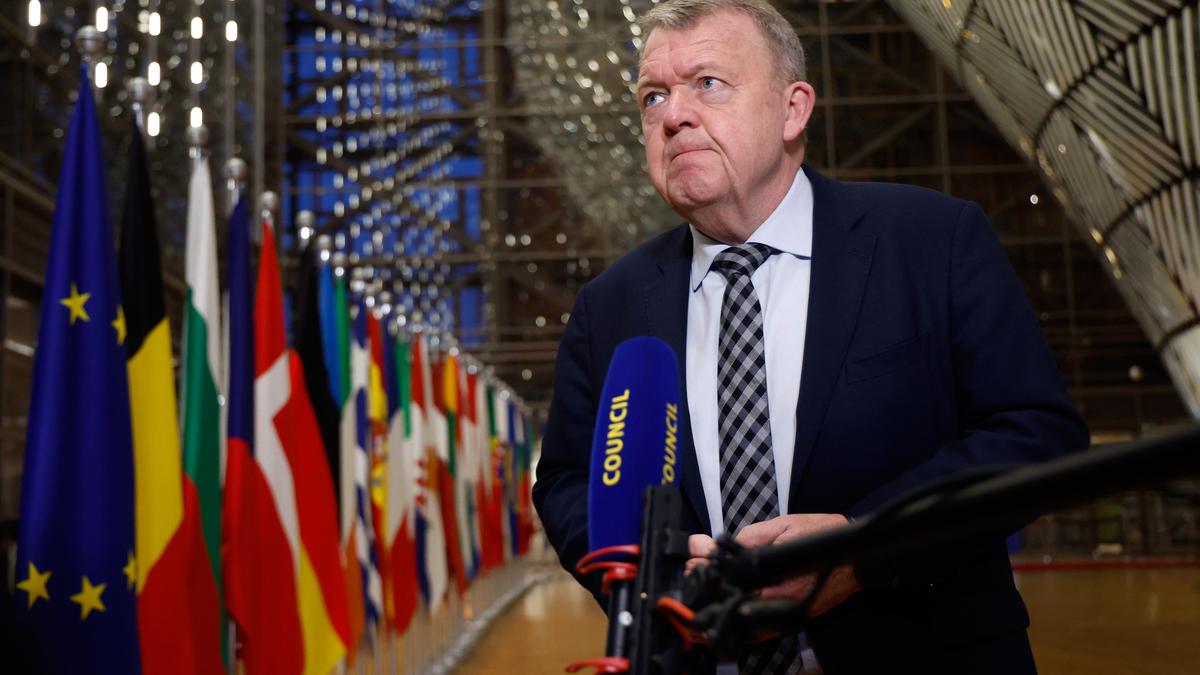
After weeks of heightened tensions sparked by former U.S. President Donald Trump’s threats to seize Greenland, a significant thaw appears to be underway. On Thursday, January 29, 2026, Denmark’s Foreign Minister Lars Lokke Rasmussen expressed optimism following initial technical talks with the United States regarding the future of Greenland. These talks, held at a senior official level in Washington, signal a potential de-escalation of the crisis that had strained transatlantic relations. While no concrete solutions have been reached, the constructive atmosphere and planned future meetings suggest a pathway towards a more cooperative resolution.
Key Points:
- Technical talks between the U.S. and Denmark regarding Greenland took place in Washington.
- Lars Lokke Rasmussen, Denmark’s Foreign Minister, described the talks as “constructive” and expressed increased optimism.
- Former U.S. President Donald Trump previously threatened to seize Greenland, causing a diplomatic crisis.
- A “framework” deal with NATO chief Mark Rutte was mentioned as a factor in Trump backing down, although details remain scarce.
- NATO is expected to bolster its activities in the Arctic as part of a potential compromise.
- Denmark and Greenland may renegotiate a 1951 treaty on U.S. troop deployments.
Critical Analysis:
The historical context highlights a clear pattern: initial aggressive posturing by the U.S. under Donald Trump, followed by a step back and a move toward diplomatic engagement. This suggests a strategy of using aggressive rhetoric as a negotiating tactic, potentially to extract concessions related to security concerns in the Arctic. The mention of a “framework” deal with NATO chief Mark Rutte, coupled with NATO bolstering Arctic activities, supports this interpretation. The key seems to be balancing U.S. security interests with Greenland and Denmark’s sovereignty.
Key Takeaways:
- Diplomacy is prevailing over potential conflict in the Greenland dispute.
- U.S. security concerns in the Arctic are a primary driver of the tensions.
- NATO is playing a role in mediating and facilitating a resolution.
- The sovereignty of Denmark and Greenland remains a key point of contention.
- The crisis underscores the strategic importance of Greenland in the Arctic region.
Impact Analysis:
This event series signifies a potentially crucial turning point in transatlantic relations. While the initial crisis threatened to destabilize the alliance, the move towards constructive dialogue suggests a resilience and adaptability. The future impact includes:
- Increased NATO presence and activity in the Arctic: This will likely reshape the geopolitical landscape of the region, affecting relations with other Arctic nations like Russia and Canada.
- Renegotiation of the 1951 treaty: This could grant the U.S. greater access and influence in Greenland, while potentially addressing concerns about Danish and Greenlandic sovereignty.
- Strengthened (or strained) transatlantic relations: The outcome of the negotiations will significantly impact the long-term stability and trust within the transatlantic alliance. A successful resolution will bolster ties, while a failure could reignite tensions.
- Future of Arctic governance: As the Arctic becomes more accessible due to climate change, this event underscores the growing importance of establishing clear frameworks for cooperation and conflict resolution in the region.
 First Piper