
Sun Jan 25 19:50:00 UTC 2026: ### Reds’ Roster in Limbo Amid Broadcast Rights Uncertainty
The Story:
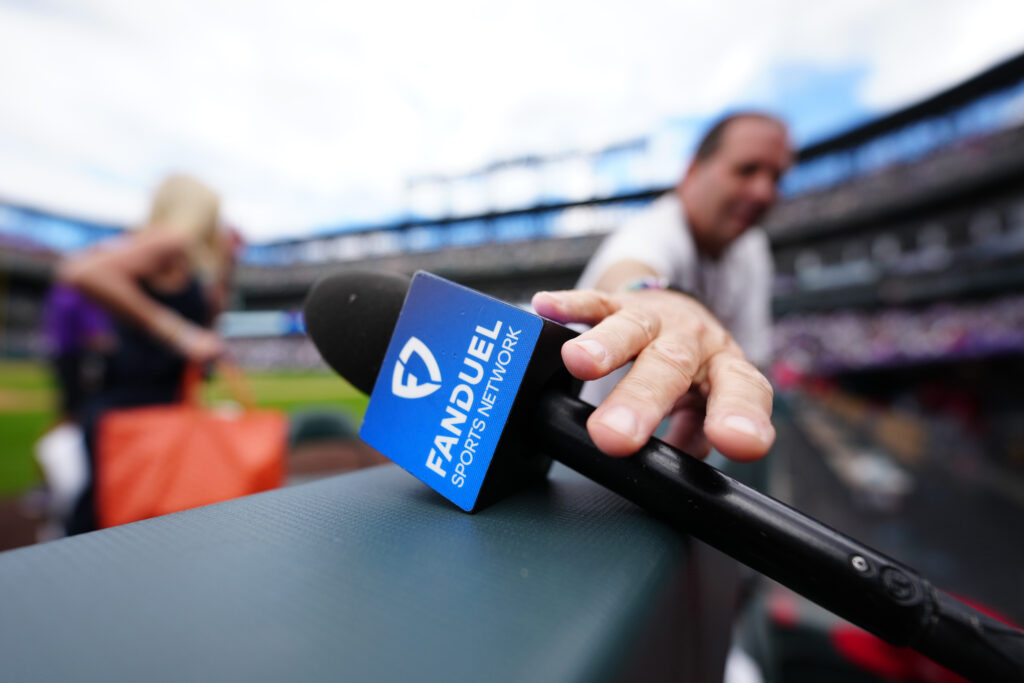
The Cincinnati Reds’ offseason plans are in a holding pattern due to the ongoing instability surrounding their broadcast rights. A recent report indicates the team has expressed interest in acquiring players such as infielder Eugenio Suárez and outfielder Austin Hays, but these potential moves are contingent on resolving uncertainties related to their broadcasting deal. The Reds were among several teams that terminated their contract with Main Street Sports earlier this month after the company, formerly known as Diamond Sports Group (Bally Sports), experienced financial difficulties despite emerging from bankruptcy. This situation has placed the Reds in a precarious position, as the traditional RSN model, once a reliable revenue stream, continues to erode due to cord-cutting and the rise of streaming services.
Key Points:
- The Reds are interested in Eugenio Suárez and Austin Hays, but are delaying action due to broadcast uncertainty.
- They terminated their contract with Main Street Sports after the company missed payments.
- The RSN model is declining, impacting revenue for teams like the Reds.
- The Reds re-signed Emilio Pagán to a two-year, $20MM deal and made other smaller signings.
- Trading Gavin Lux for Brock Burke saved the team a few million dollars.
- The team’s projected payroll is around $112MM, the same as in 2025.
Critical Analysis:
The comments on the article, and related articles, clearly indicate that the Reds ownership group is taking the financial hit of a failed RSN as an opportunity to avoid spending money on improving the team. The lack of clarity in ownership control is also adding to the uncertainty around the Reds and their plans for the future. Fans are noticing the Dodgers and the other big-money teams’ activity, which draws more attention to the cheapness of smaller market teams like the Reds.
Key Takeaways:
- The financial instability of RSNs is directly impacting the Reds’ ability to improve their roster.
- The Reds are exploring alternative broadcasting models, including direct-to-consumer streaming, but these may not generate the same level of guaranteed revenue.
- Ownership is hesitant to increase payroll until the broadcast situation is resolved, hindering the team’s competitiveness.
- The fanbase is growing increasingly frustrated with ownership’s reluctance to spend.
- MLB’s revenue sharing structure and future TV deals are critical to the Reds’ long-term viability.
Impact Analysis:
The Reds’ situation reflects a broader trend in MLB, where the decline of RSNs is creating financial challenges for many teams, particularly those in smaller markets. This could lead to increased pressure on MLB to restructure revenue sharing and explore new broadcasting models that provide more equitable and stable revenue streams for all teams. The long-term implications could include a greater emphasis on national broadcasting deals and a potential shift towards a more centralized revenue distribution system, similar to the NFL. Without intervention, competitive imbalance may worsen, potentially diminishing fan interest and negatively impacting the league’s overall health.
 First Piper