
Mon Jan 26 03:40:31 UTC 2026: ### India Set to Slash Car Tariffs in Landmark Trade Deal with the EU
The Story:
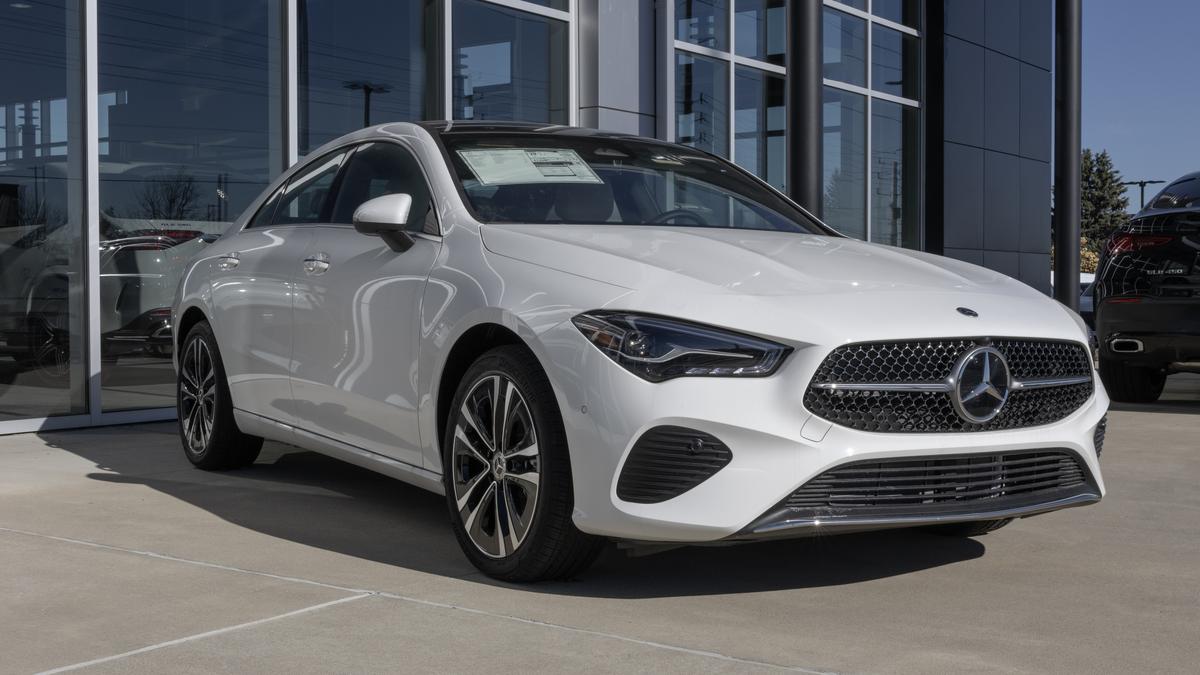
India is reportedly poised to significantly reduce tariffs on imported cars from the European Union, potentially as early as January 27, 2026, as part of a comprehensive free trade agreement. Tariffs, currently as high as 110%, are expected to be slashed to 40% immediately for a limited number of cars with an import price exceeding 15,000 euros ($17,739). Further reductions to 10% are planned over time. The deal, dubbed “the mother of all deals,” aims to boost bilateral trade and facilitate Indian exports.
Key Points:
- India is considering cutting tariffs on EU car imports to 40% immediately, then to 10% eventually.
- The tariff reduction will apply to a limited number of combustion-engine cars (approximately 200,000 per year initially).
- Electric vehicles will be excluded from these tariff cuts for the first five years to protect domestic manufacturers.
- The agreement is expected to be finalized and ratified shortly after the announcement.
- The deal aims to boost overall trade, particularly benefiting Indian exports like textiles and jewelry that have been impacted by U.S. tariffs.
Critical Analysis:
The news that US Senator said that Vance, Navarro, and Sometimes Trump blocked India Trade Deal indicates that India is looking for an alternative trading partner.
Key Takeaways:
- This move represents a significant opening of India’s protected auto market.
- European automakers like Volkswagen, Mercedes-Benz, and BMW stand to gain considerable access to the Indian market.
- The exclusion of EVs from initial tariff reductions signals a strategic effort to nurture India’s domestic electric vehicle industry.
- The trade agreement is positioned as a countermeasure to trade challenges posed by U.S. tariffs.
- The deal’s success hinges on final ratification and the ability of both sides to navigate complex details.
Impact Analysis:
The India-EU trade deal could have profound long-term implications:
- Economic Growth: Increased trade flows could stimulate economic growth in both India and the EU, fostering job creation and innovation.
- Automotive Market Transformation: The reduced tariffs could reshape the Indian automotive market, increasing competition and potentially lowering prices for consumers.
- Geopolitical Alignment: Strengthened economic ties between India and the EU could solidify a strategic alliance in a changing global landscape, particularly in light of trade tensions with the U.S.
- EV Industry Development: The initial protection of the domestic EV industry could provide crucial support for local manufacturers to establish themselves before facing foreign competition. This could catalyze innovation and investment in the sector.
- Trade Diversification: The agreement allows India to diversify its trade relationships and reduce reliance on specific markets, enhancing economic resilience.
 First Piper