
Mon Jan 26 01:00:00 UTC 2026: ### Headline: German Football Official Calls for World Cup Boycott Over Trump’s Policies
The Story:
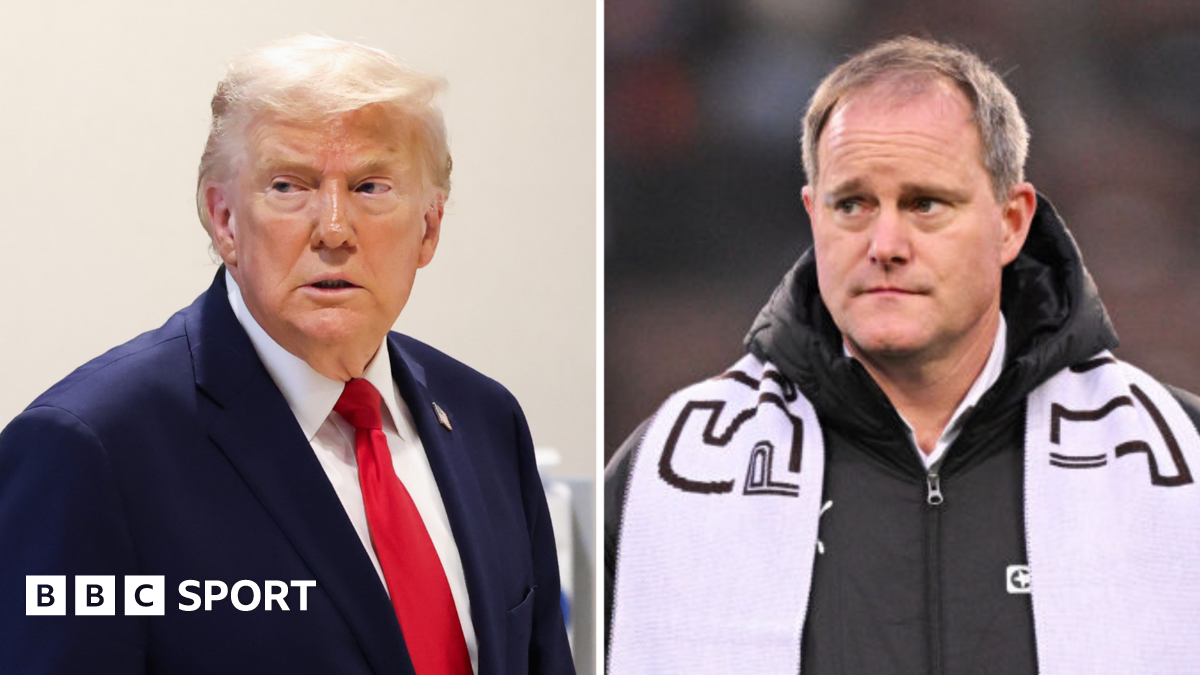
Oke Gottlich, a vice-president of the German Football Association (DFB) and president of Bundesliga club St Pauli, has suggested considering a boycott of the 2026 World Cup, which is to be hosted by the US, Canada, and Mexico. Gottlich’s statement comes in response to President Donald Trump’s recent foreign policy actions, including threats against European nations and a proposal to acquire Greenland. He draws a parallel to the US-led boycott of the 1980 Olympic Games due to the Soviet Union’s invasion of Afghanistan, arguing that the current perceived threat is greater.
Key Points:
- Oke Gottlich, DFB vice-president, suggested considering a boycott of the 2026 World Cup due to President Trump’s actions.
- President Trump caused tension by threatening tariffs on European countries and expressing interest in acquiring Greenland.
- Gottlich referenced the US-led boycott of the 1980 Olympic Games as a precedent.
- The French government is not currently in favor of a boycott, while the Danish Football Association acknowledged the “sensitive situation.”
- Gottlich criticized the perceived hypocrisy of addressing political issues in the 2022 Qatar World Cup but remaining apolitical now.
Critical Analysis:
The German Football Association official is using the threat of a World Cup boycott as leverage to oppose what he views as unacceptable political behavior from the United States president. Gottlich’s use of the term “taboo” suggests a desire to establish moral red lines in international relations and sports. He challenges the DFB and FIFA presidents to define their own taboos, highlighting the perceived inconsistency between addressing political issues in Qatar and the current silence.
Key Takeaways:
- International sporting events are increasingly becoming intertwined with political considerations.
- The legacy of past boycotts, like the 1980 Olympics, serves as a reference point for potential future actions.
- European leaders are demonstrating willingness to publicly challenge US foreign policy.
- The DFB is facing internal pressure to take a firm stance on values and political issues.
- The success of the boycott call is uncertain, given the opposition from other European nations.
Impact Analysis:
If the boycott gains traction, it could significantly impact the 2026 World Cup, potentially diminishing its global appeal and prestige. The situation puts pressure on FIFA to navigate complex political landscapes and reconcile differing national interests. It also raises questions about the responsibility of sports organizations to take stands on political matters and defend perceived values. Further, it adds to the already strained relationships between the US and some of its European allies under the Trump administration. This situation could lead to further diplomatic friction and necessitate difficult choices for other participating nations.
 First Piper