
Sun Jan 25 14:02:35 UTC 2026: ### Tiruchi Corporation Aims for 100% Waste Segregation and Improved Composting
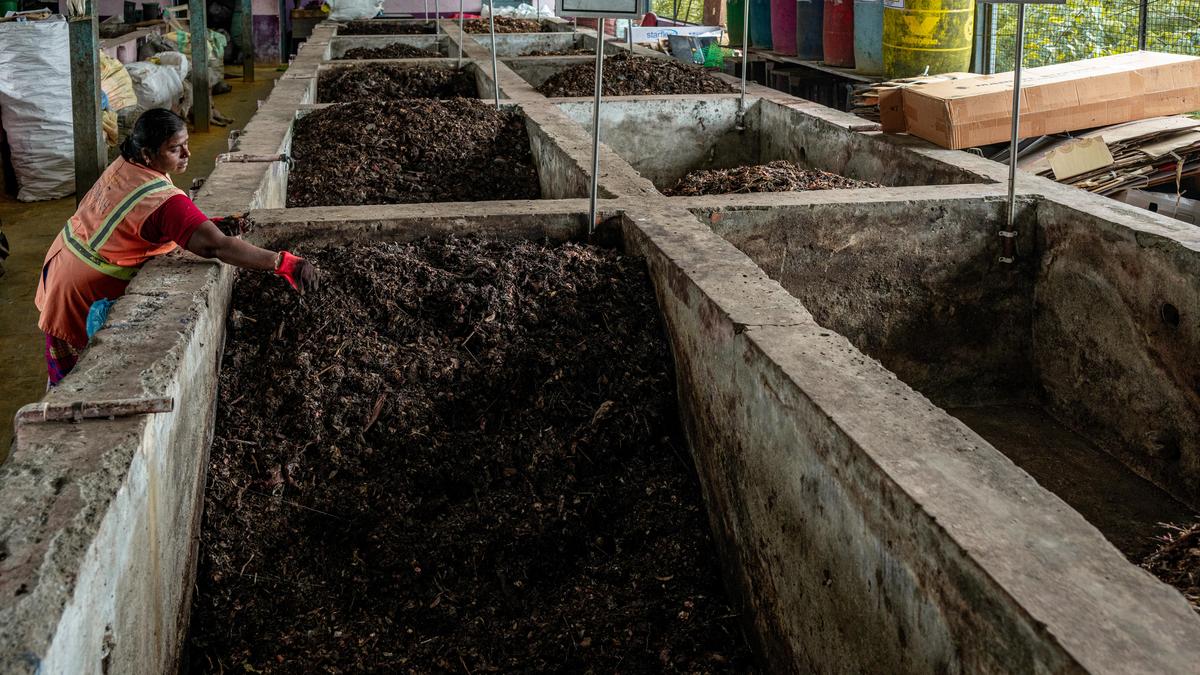
The Story: The Tiruchi Corporation is implementing a comprehensive plan to enhance waste management across the city. The initiative focuses on achieving complete (100%) segregation of waste at the household level and improving the quality of compost produced at its 39 micro composting centers (MCCs). This includes repairing or replacing malfunctioning shredding machines, introducing IoT-enabled smart weighing systems, and procuring advanced shredding-cum-grinding machines.
The corporation currently manages around 470 tonnes of waste daily across five zones. While 90% of household waste is already segregated, the goal is to reach full segregation. The compost production cycle currently takes 40 to 60 days, but is often delayed due to faulty machinery. The introduction of smart weighing systems aims to improve operational efficiency and streamline waste management practices.
Key Points:
- Tiruchi Corporation aims to achieve 100% waste segregation at the doorstep.
- The city generates approximately 470 tonnes of waste daily.
- There are 39 MCCs functioning across five zones.
- Each MCC processes about 5 to 10 tonnes of waste daily.
- The Corporation will repair or replace faulty shredding machines at MCCs.
- IoT-enabled smart weighing systems are being introduced at MCCs.
- A 60-tonne capacity weighing system has been set up at the Ariyamangalam dump yard.
Critical Analysis:
The timing of this initiative, just days after a report highlighting “Civic issues, greenery dominate area sabha meetings in Tiruchi” (January 25, 2026), suggests a direct response to citizen concerns raised in those meetings. The focus on improving waste management and compost production directly addresses potential criticisms regarding the efficiency and environmental impact of the current system. This shows that the local governance is reactive and is addressing citizen concerns in a prompt manner.
Key Takeaways:
- Tiruchi Corporation is prioritizing improvements in waste management.
- The initiative is driven by the need for better waste segregation and compost quality.
- Technology plays a crucial role in enhancing operational efficiency through IoT-enabled systems.
- The corporation is actively addressing infrastructure challenges at MCCs.
Impact Analysis:
The success of this initiative will have several long-term implications:
- Environmental Benefits: Improved waste segregation and composting will reduce landfill waste, promoting a cleaner and healthier environment.
- Economic Opportunities: High-quality compost can be sold to local farmers, creating a new revenue stream for the corporation and supporting sustainable agriculture.
- Improved Public Health: Efficient waste management reduces the risk of disease transmission and improves overall public health.
- Enhanced Citizen Satisfaction: Addressing citizen concerns related to waste management will increase trust in local government and improve the quality of life for residents.
 First Piper