
Sat Jan 24 18:50:00 UTC 2026: ### Tensions Escalate: U.S. Moves Military Assets to Middle East Amidst Iran Conflict
The Story:
The United States is deploying additional military assets to the Middle East, including F-15 fighter jets and the USS Abraham Lincoln aircraft carrier, amidst heightened tensions with Iran. This move occurs despite a recent abatement in widespread protests and violence within Iran, but concerns remain high that the situation could escalate into a broader conflict. President Donald Trump issued a stark warning to Iran, stating that any attempt to assassinate him would result in the complete destruction of the country. Conversely, Iranian President Masoud Pezeshkian warned that an assassination attempt on Supreme Leader Ayatollah Ali Khamenei would be considered an act of war. The article highlights the clashing narratives surrounding recent events in Iran, with the West accusing the Iranian government of brutally suppressing protests, while Iran alleges U.S. and Israeli-backed infiltration aimed at regime change.
Key Points:
- The U.S. is deploying additional military assets, including F-15s and the USS Abraham Lincoln, to the Middle East.
- President Trump threatened Iran with complete destruction in the event of an assassination attempt.
- President Pezeshkian stated an attack on Ayatollah Khamenei would be considered an act of war.
- Conflicting narratives persist regarding recent unrest in Iran, with the West alleging government repression and Iran claiming foreign interference.
- The Iranian government imposed internet shutdowns, claiming it was to prevent cyberattacks.
- The Human Rights Activist News Agency (HRANA) claims over 4,500 people have been killed, while the Martyr and Veterans Affairs Foundation puts the figure at just over 3,100.
Critical Analysis:
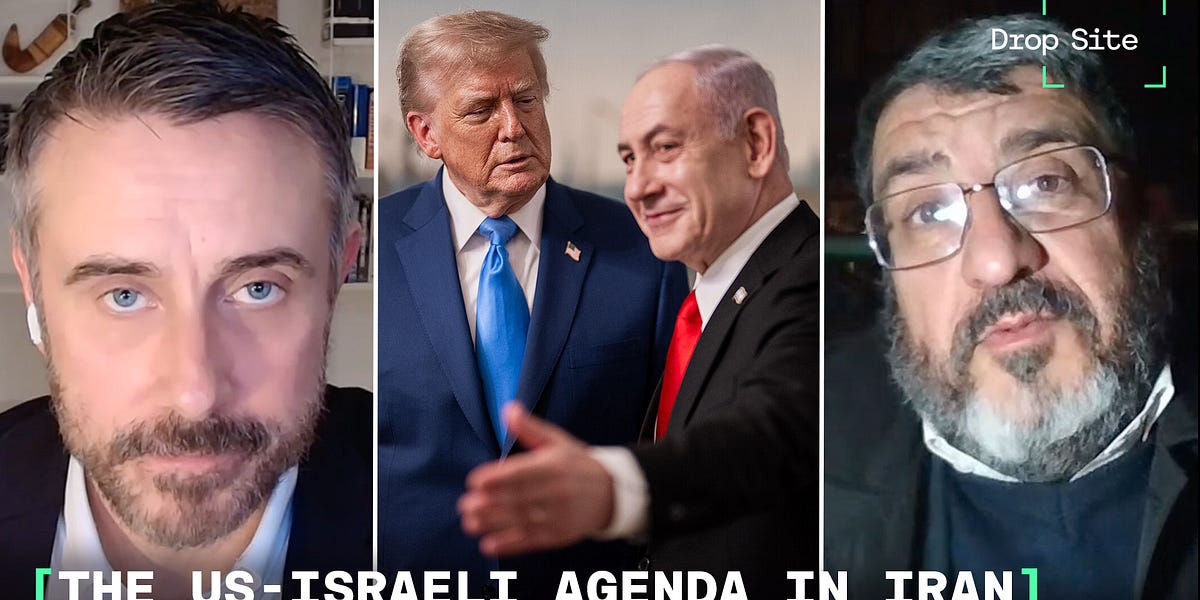
The related historical context highlights recurring themes of political agendas, particularly concerning Donald Trump’s policies and their potential impact. The mention of Trump’s Gaza development plan and concerns about his economic agenda foreshadow a pattern of interventionist foreign policy and potentially destabilizing actions. The professor at the University of Tehran even believes that Trump has given the Iran portfolio to Netanyahu. This context reinforces the idea that the current military buildup might not be a spontaneous reaction to immediate events, but rather a continuation of pre-existing strategic objectives and a willingness to act aggressively in the region.
Key Takeaways:
- The risk of military confrontation between the U.S. and Iran remains significant despite periods of relative calm.
- Conflicting narratives and information blackouts hinder accurate assessment of the situation on the ground in Iran.
- The potential for miscalculation or escalation is high given the heated rhetoric and the presence of significant military forces in the region.
- Historical context suggests that the U.S. actions are part of a broader strategic agenda under Donald Trump to destabilize Iran.
- Third-party actors, like Israel, potentially wield significant influence on US foreign policy decisions regarding Iran.
Impact Analysis:
The ongoing tension between the U.S. and Iran has far-reaching implications for regional stability and global security. A potential military conflict could trigger a wider war involving other countries in the Middle East, leading to increased refugee flows, economic disruption, and humanitarian crises. Furthermore, the deployment of military assets signals a long-term commitment to maintaining a strong U.S. presence in the region, which will likely fuel further resentment and instability. The information blackout also underscores the challenges in independently verifying events, potentially leading to misinformed policy decisions and increased public mistrust. The long-term impact of these events could reshape the political landscape of the Middle East for years to come.
 First Piper