
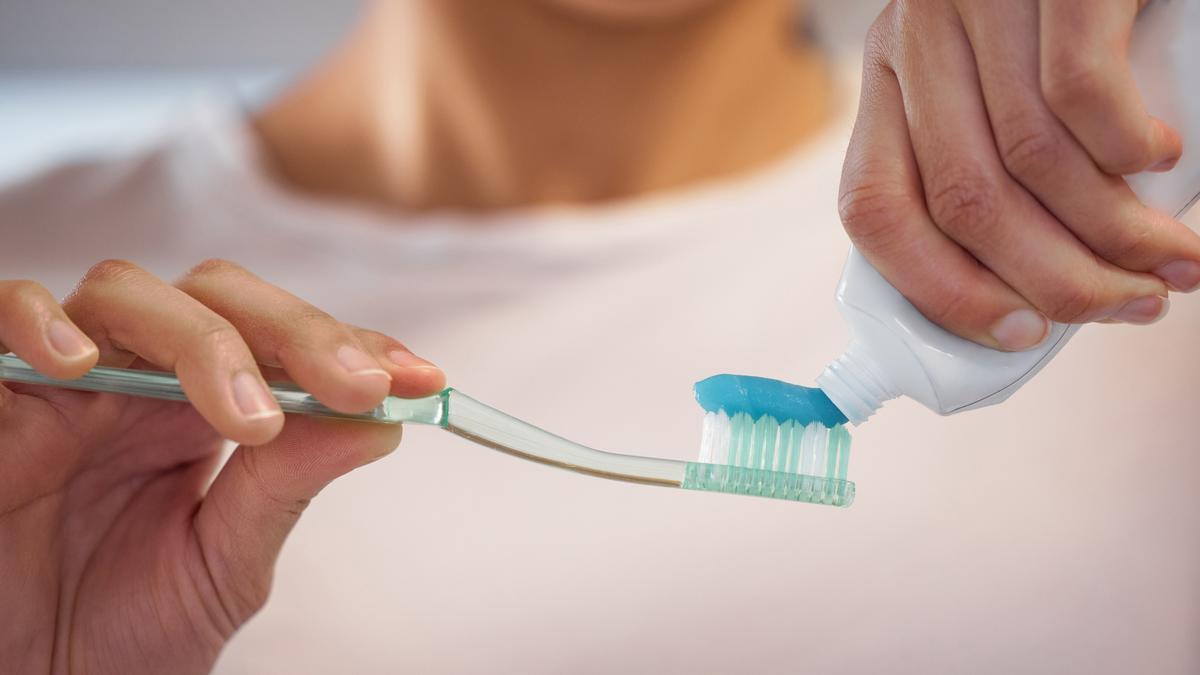
Mon Jan 19 03:00:00 UTC 2026: # Everyday Physics: The Science of Soft Matter Explained
The Story:
An article published in The Hindu on January 19, 2026, explores the physics of “soft matter” – materials like toothpaste, shampoo, gels, and creams that exhibit properties of both solids and liquids. The piece delves into the internal structure and behavior of these materials, explaining how they respond to forces and time, and how the study of rheology sheds light on these phenomena. Examples, such as the University of Queensland’s pitch drop experiment, further illustrates the concepts discussed.
Key Points:
- Soft matter materials behave like solids or liquids depending on applied forces and timescales.
- Their internal structure consists of relatively large building blocks, like droplets or macromolecules.
- Weak forces between these building blocks make them fragile but adaptable.
- The behavior depends on how strongly and quickly the material is pushed.
- Rheology is the study of how materials deform and flow under applied stress.
- The pitch drop experiment demonstrates the extremely high viscosity of pitch, a substance that appears solid but is actually a liquid.
Key Takeaways:
- Everyday materials like toothpaste and shampoo are examples of complex physical systems governed by the principles of soft matter physics.
- The response of these materials to force and time reveals insights into the deeper scientific principles of motion, force, flow, and change.
- The understanding of soft matter is relevant to the engineering of personal care products and other applications where the balance between force, flow, structure, and softness is critical.
 First Piper