
Sun Jan 25 00:55:12 UTC 2026: ### Headline: Myanmar’s Military Solidifies Control Through Contested Elections Amidst International Condemnation
The Story:
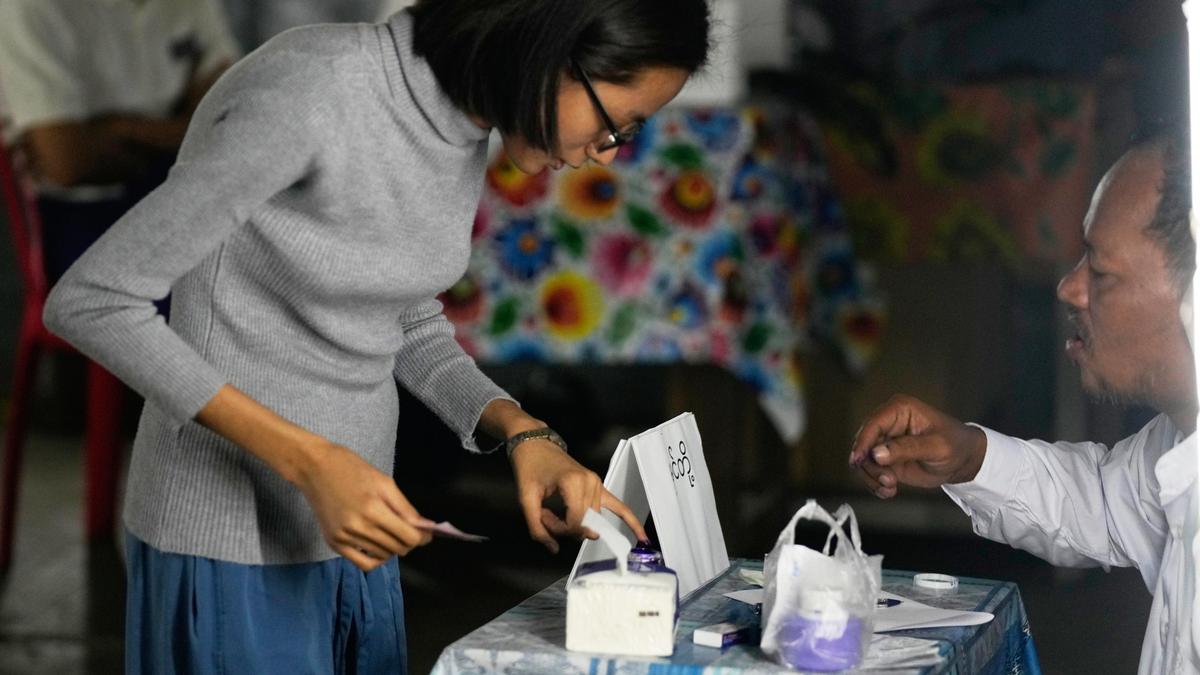
Myanmar conducted the final phase of its general election on January 25, 2026, a process widely criticized as neither free nor fair. The election has cemented the military’s power, ensuring a parliamentary majority for the ruling junta and its allies. This follows the February 2021 ouster of Aung San Suu Kyi’s elected government. The international community, particularly ASEAN, has largely refrained from recognizing the election’s legitimacy, although observers from countries like Russia, China, India and Japan were present.
Key Points:
* Voting concluded in Myanmar on January 25, 2026, after a three-stage general election process.
* The military and its allies are guaranteed a parliamentary majority, ensuring their continued control.
* Aung San Suu Kyi, the former leader, remains imprisoned and her party was dissolved in 2023.
* ASEAN has declined to send observers or certify the election, citing lack of free and inclusive participation.
* More than one-fifth of the country’s townships did not participate due to security concerns from ongoing civil war.
* The Union Solidarity and Development Party (USDP) has already secured 233 seats, and the military holds 166, surpassing the 294 needed for a majority.
* Voter turnout in the first two rounds was between 50% and 60%, significantly lower than in 2020.
Key Takeaways:
* Myanmar’s military regime is using the election to legitimize its power after the coup in 2021.
* International division is apparent, with some nations willing to observe the process despite widespread concerns of unfairness.
* The civil war is significantly impacting the democratic process, preventing voting in substantial portions of the country.
* The participation of countries like India and Japan, typically regarded as democratic, as election observers raises questions about their stance on the situation in Myanmar.
* The exclusion of Aung San Suu Kyi and her party, along with restrictions on criticism, underscores the unfree and unfair nature of the election.
Impact Analysis:
The staged election and the military’s entrenchment will likely prolong the civil conflict in Myanmar. The lack of international consensus on the election’s legitimacy will further complicate efforts to mediate a peaceful resolution. The economic and social consequences of the continuing conflict and political instability will likely be severe, hindering Myanmar’s development and potentially destabilizing the region. The actions taken by India and Japan in observing the election could influence future international relations and geopolitical strategies in Southeast Asia.
 First Piper