
Sun Jan 25 05:28:56 UTC 2026: ### India Stands with Iran Against UNHRC Resolution Amidst Growing International Concerns
The Story:
India has voted against a United Nations Human Rights Council (UNHRC) resolution condemning Iran’s crackdown on nationwide protests that began on December 28, 2025. The resolution, adopted on January 23, 2026, extended the mandate of the Independent International Fact-Finding Mission on Iran for two years and the mandate of the Special Rapporteur on the situation of human rights in Iran for one year. Iran’s ambassador to India, Mohammad Fathali, expressed gratitude for India’s support, citing India’s commitment to justice, multilateralism, and national sovereignty.
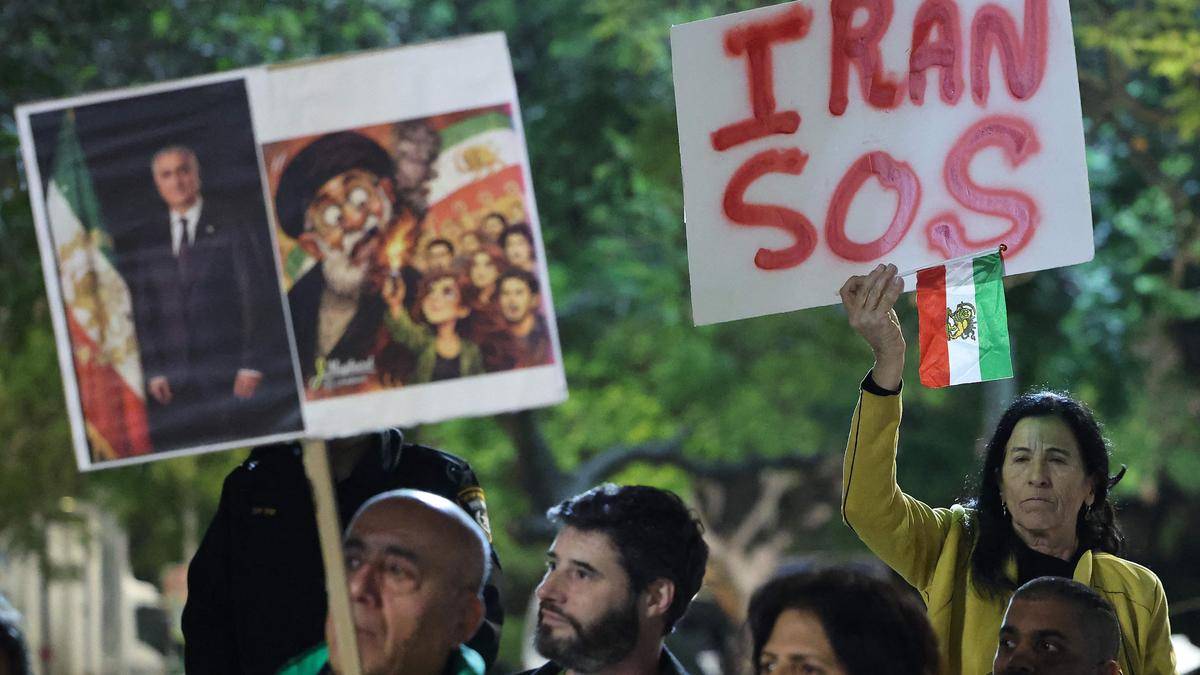
The backdrop to this vote includes escalating tensions within Iran, with activists reporting over 5,000 deaths and over 26,800 detentions due to the government’s response to the protests. Simultaneously, the United States is increasing its military presence in the region, and internal affairs regarding the status of Iranians overseas is becoming a hot topic. This vote puts India at odds with many Western nations who supported the resolution.
Key Points:
- India voted against a UNHRC resolution condemning Iran’s handling of protests.
- The resolution extended the mandate of investigations into human rights in Iran.
- Mohammad Fathali, Iran’s ambassador to India, thanked India for its support.
- Activists report over 5,002 deaths and 26,800 detentions during the protests.
- The United States is increasing its military presence near Iran.
- The resolution was adopted by a vote of 25 in favor, 7 against, and 14 abstentions.
Critical Analysis:
India’s decision to vote against the resolution is indicative of its continued strategic alignment with Iran. Given that the Iranian ambassador to India, Mohammad Fathali, thanked the Indian government for their support, this decision is likely motivated by a combination of factors: maintaining strong bilateral relations, pursuing economic interests (particularly concerning energy), and adhering to a foreign policy that prioritizes national sovereignty and non-interference in internal affairs. India may also view the resolution as “politically motivated,” echoing Iran’s claims that sanctions have harmed the Iranian people.
Key Takeaways:
- India is prioritizing its relationship with Iran despite international condemnation of Iran’s human rights record.
- This decision highlights a divergence in foreign policy between India and many Western nations concerning Iran.
- India’s vote underscores its commitment to multilateralism, but with a strong emphasis on national sovereignty and non-interference.
- The increasing US military presence near Iran could further complicate India’s strategic calculations in the region.
Impact Analysis:
India’s stance may strengthen bilateral ties with Iran in the short term, potentially enhancing cooperation in areas such as trade and energy. However, it could also strain relations with countries that supported the UNHRC resolution, particularly if the human rights situation in Iran continues to deteriorate. This decision could also have long-term implications for India’s image on the global stage, particularly concerning its commitment to human rights. The outcome of the US elections later in the year may also play a pivotal part.
 First Piper